How MealProt's Zemja Liquid Turns Insect Frass Into a Circular Bio-Input for European Farms

An interview (Part I) with Veselina, founder of MealProt, on the science behind Zemja Liquid and the commercial opportunity CBAM is creating for circular bio-input producers.

Interview by Dilyana Kutsarova
MealProt's Zemja Liquid is built on a simple but powerful idea: instead of feeding plants with external chemical inputs, activate the natural defence and resilience systems plants already have. We sat down with MealProt founder Veselina to understand what's actually happening in the soil when Zemja Liquid is applied — and why Europe's shifting trade and climate policy, including CBAM, is creating real commercial momentum for circular, regionally produced bio-inputs.
1. Tell us about your story. MealProt's Zemja Liquid works by activating natural soil–plant–microbiome interactions rather than delivering external inputs. Can you explain in plain language what is actually happening in the soil — and why that matters for a farmer?
The story of MealProt started during the pandemic, when our family moved from the city to the countryside.
Spending more time close to nature changes the way you look at things. You start noticing processes that were always there, but you had never really seen before.
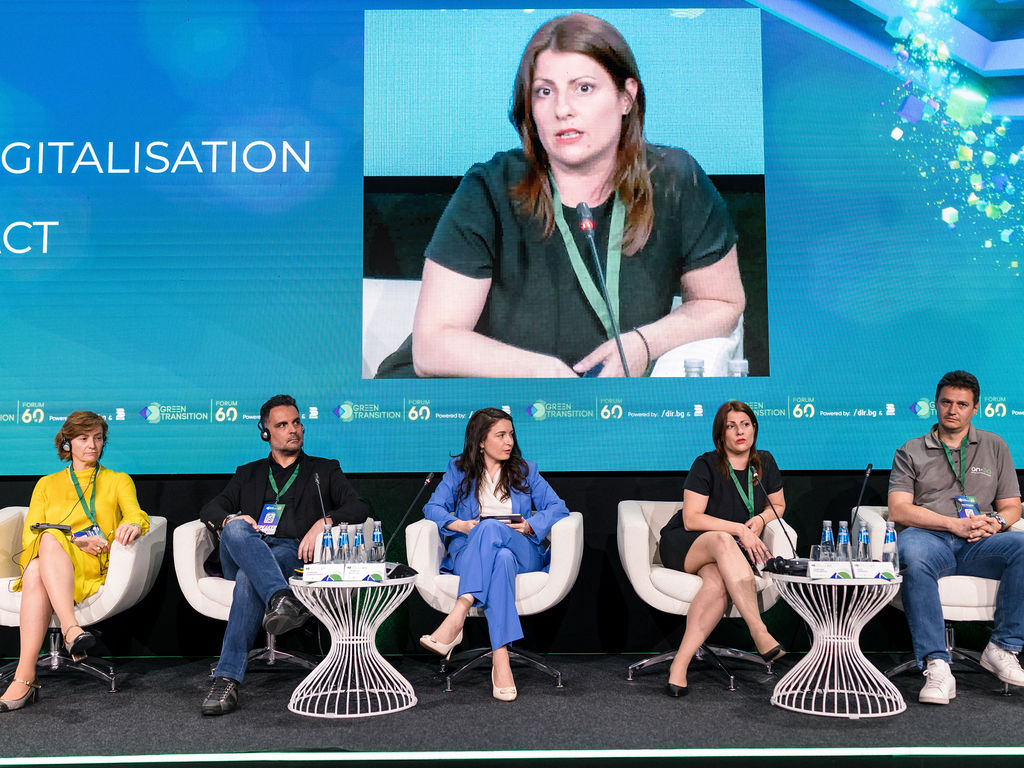
At that time, we was in insect farming, and saw something much bigger in it. We saw the possibility to recreate, in a controlled way, part of the natural cycle of life: organic matter is transformed, returned to the soil, and becomes food and strength for the next generation of plants.
In the beginning, we did not know exactly how far we could take this idea. But we knew that there was potential, and we knew that we wanted to build something meaningful from it.
We start with a practical step - to create liquid extract from insect frass — insect manure — that would be easier for farmers to apply, but would still keep as much as possible of the useful natural value of the frass.
In nature, nothing is wasted. Plant material is eaten, transformed, digested, fermented, returned to the soil, and then becomes part of the next plant cycle. We wanted to recreate part of this logic in a controlled circular process.
This was not easy. Finding the right knowledge was a real challenge, and we worked with academics from Bulgaria, Greece and the United States. After about six months of testing and learning, we had Zemja Liquid — a product that, for us, opened a new door in sustainable agriculture.
Zemja Liquid is a living bioactive product. It is not sulphited, and it contains useful enzymes, microorganisms, organic compounds and a natural NPK profile. But the most important part for us is the presence of transformed chitin-derived components.
Chitin is the natural material found in insects and fungi. When Zemja Liquid is applied to a plant, we are basically giving the plant a biological signal: there is decomposed insect-related material close to you. The plant activates its own defence and resilience mechanisms, improve nutrient uptake from the soil, strengthen its tissues and produce protective enzymes against insect pests.
This is why we say that Zemja Liquid doesn't work like a classical chemical product. It doesn't attack from the outside. It works through the plant's own natural response.
In real farm observations, when Zemja Liquid is used preventively or at an early stage, we have seen slower pest development, lower pest pressure and stronger plant condition. We are careful with this, because these effects still need deeper scientific and regulatory validation, but the practical results are very encouraging.
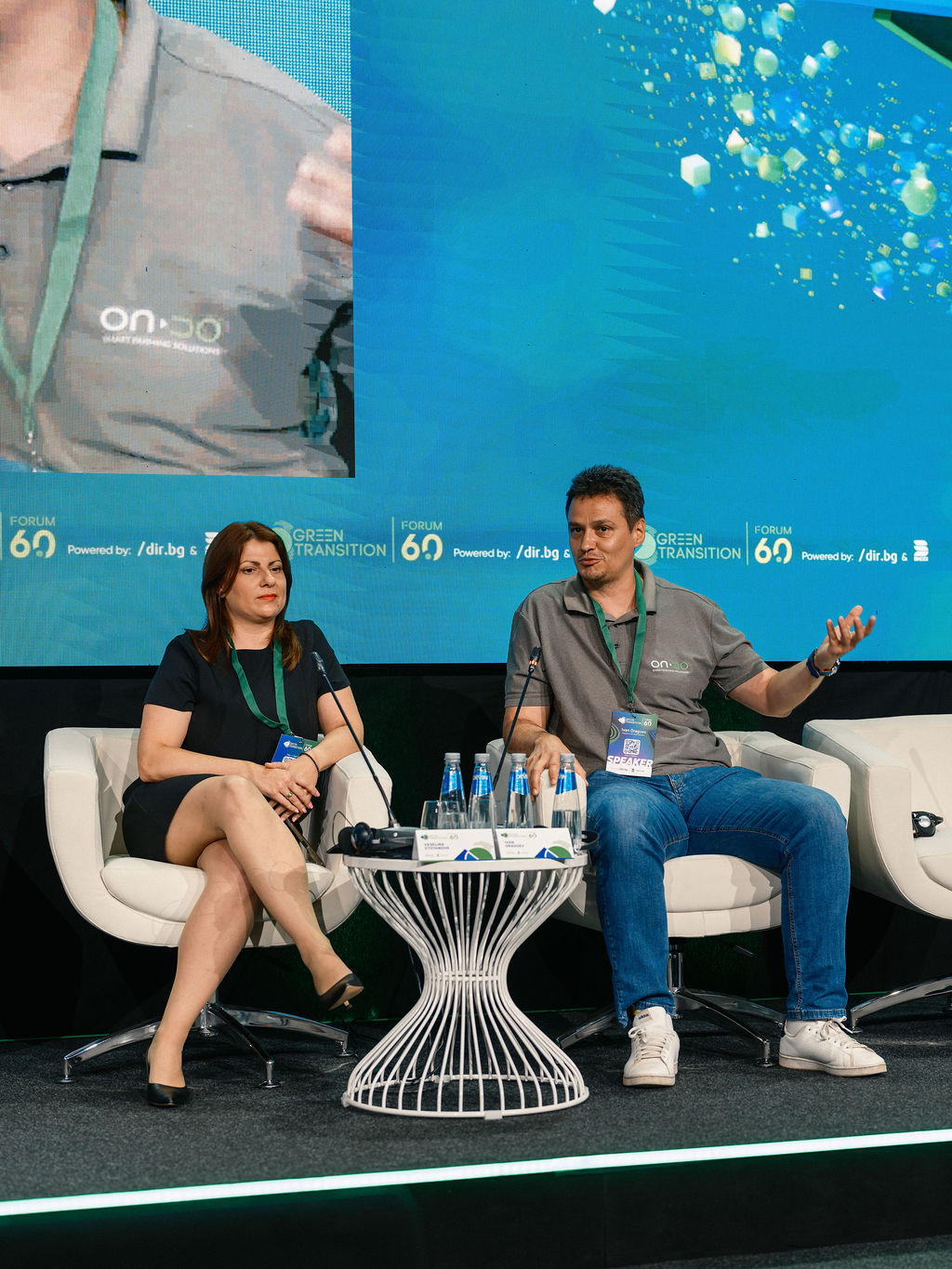
Another important point is biodiversity. Because the product works through plant-mediated biological response, and not through external toxicity, it is not designed to harm beneficial insects such as bees. It supports the plant in becoming a less favourable host for feeding pests, instead of sterilising the environment.
For the farmer, this matters because one product can support several things at the same time: plant resilience, nutrient uptake, soil biological activity and better response to both biotic and abiotic stress, including drought and high temperatures.
And for the soil, the benefit is very clear: we are not killing the life in it. Actually, we are bringing back useful microorganisms, enzymes and organic biological activity.
This is the circular model we believe in — agricultural by-products to be return in the field as value for the next crop life cicle.
2. CBAM is changing the cost equation for imported agricultural inputs. How does that shift create a concrete commercial opportunity for circular bio-input producers like MealProt right now?
For me, CBAM is part of a bigger shift. Europe is starting to put a real cost on the carbon intensity and resource dependency behind the products we import and use. This is especially relevant for input-heavy sectors, including fertilizers and other agricultural inputs connected to energy-intensive production and long supply chains.
The opportunity for circular bio-input producers is not that CBAM alone will change the market overnight. The opportunity is that farmers, distributors and policymakers are now looking much more seriously at local, lower-input and resource-efficient alternatives.
MealProt fits into this shift because our model is based on local agricultural by-products and local biological processing. We are not trying to replace every existing input immediately. We are offering a different logic: use what already exists in the region, transform it through biological processes and return it to the agricultural system as value.
Commercially, this creates opportunity in three ways.
First, it reduces exposure to imported raw materials and volatile input prices.
Second, it supports farmers who are under pressure to reduce the environmental footprint of their production.
Third, it creates a new category of regional circular bio-inputs that can be aligned with the future direction of European agriculture: more resource-efficient, more resilient and less dependent on external supply chains.
In short, CBAM strengthens the business case for solutions that were previously seen only as "sustainable". Now they are also becoming part of competitiveness and risk management.
The role of Agriventures in supporting agrifood innovation
As the agritech startup ecosystem grows across Europe, initiatives such as Agriventures are helping connect entrepreneurs, researchers, investors, and policymakers working in agriculture and food innovation.
Agriventures focuses on supporting agrifood startups, biotechnology innovation, and access to European funding for agriculture, while also helping entrepreneurs navigate the complex landscape of startup financing, venture capital, and research commercialization.
By strengthening connections between startups, research institutions, investors, and farmers, Agriventures contributes to building a stronger agricultural innovation ecosystem that can accelerate the transition toward sustainable agriculture and resilient food systems.
Through knowledge sharing, events, and ecosystem building, Agriventures helps ensure that promising agritech innovations can scale and reach farmers, food producers, and global markets.
Related Case Studies
Discover more inspiring success stories from the AgriVentures network.

AgriVentures calls on EU institutions to put circularity at the heart of the next programming period
"Circular agriculture is not only about closing loops. It is about rebuilding ecological, economic, and human resilience for the future of rural communities across Europe." AgriVentures, together with Spanish partner Alberizas, is urging EU institutions to embed circular agriculture explicitly into the policy framework that will govern the next EU programming period — and it is backing that call with two years of on-the-ground evidence from farms across Bulgaria and Spain. From farmer stories...

VerAgro launches a free self-assessment to help farms measure - and improve - their sustainability
"How sustainable is your farm?" It's a question most producers can answer instinctively, but rarely with hard numbers. A new Bulgarian startup wants to change that. VerAgro, a Bulgaria-based agtech startup, has launched a free online self-assessment that gives farms and processors a clear, structured picture of where they stand on sustainability — and what to do next. A 20-minute check-up for your farm The tool works like a health check-up for your operation. Farmers and processors answer 57...

TRACEGROUND: Making Food Traceable from Field to Table
Transparency about origin is no longer just a nice to have for Bulgarian producers, it is a standard that customers now expect. TRACEGROUND, a technology startup and active member of the AgriVentures cluster, is the company behind the solution that made this possible at the largest retail chain in the country. With a single QR code on the label, shoppers buying fruits, vegetables, and fresh herbs from Kaufland's own brand "Bray!" can now trace the entire path of the product from the farm to...

ONDO Brings Automated Subsurface Drip Irrigation to 150+Hectares of Bulgarian Orchards
ONDO, the irrigation automation company, has completed one of its most extensive projects to date: a fully automated subsurface drip irrigation system covering more than 150 hectares of almond and plum orchards across three farms in Bulgaria, all belonging to the same producer. The three sites are a 100-hectare almond orchard in Drachevo, Burgas Province; a 25-hectare plum orchard in Voden, Yambol Province; and a 25-hectare almond orchard in Kamen, Sliven Province. A turnkey system, built...

AgriVentures Opens a New Soil Living Lab — Ready for the Next Wave of International Projects
AgriVentures is proud to announce the opening of a new agricultural Living Lab in Kubrat, Bulgaria — a real-world demonstration site now ready to host EU-funded research, pilot trials, and innovation projects across the agrifood value chain. Following the success of "Triathlon of Success" — a demonstration field built around intermediate (cover), melliferous and oil-bearing crops — the Kubrat site has evolved from a one-day showcase into a permanent, working Living Lab open to European...

Apply Now: Join the EU Women in Farming Platform
Deadline for application: 30.04.2026 Women across Europe are playing an increasingly important role in shaping the future of agriculture—and now there is a concrete opportunity to be part of that transformation. The European Commission has launched the Women in Farming Platform, an initiative designed to empower, connect, and support women active in agriculture and rural areas. If you are looking to grow your skills, expand your network, and strengthen your position in the sector, this...
Create Your Success Story
Join our network of successful agricultural innovators and access funding opportunities to grow your business.