Agriventures Awards: Recognising the Innovators Driving Sustainable Agriculture and Food in Bulgaria

A New Recognition for a Sector in Transformation
The agriculture and food sector is undergoing one of the most significant transformations in its history. Driven by the convergence of climate pressures, shifting consumer expectations, regulatory frameworks such as the European Green Deal, and an accelerating wave of technological innovation, the way food is grown, processed, and distributed is being fundamentally rethought. Yet the people and organisations at the forefront of this transformation — the farmers experimenting with regenerative practices, the startups developing precision agriculture tools, the food producers redesigning their supply chains around circularity — rarely receive the recognition their work deserves.
Last week, that changed for a new cohort of Bulgarian agri-food innovators.
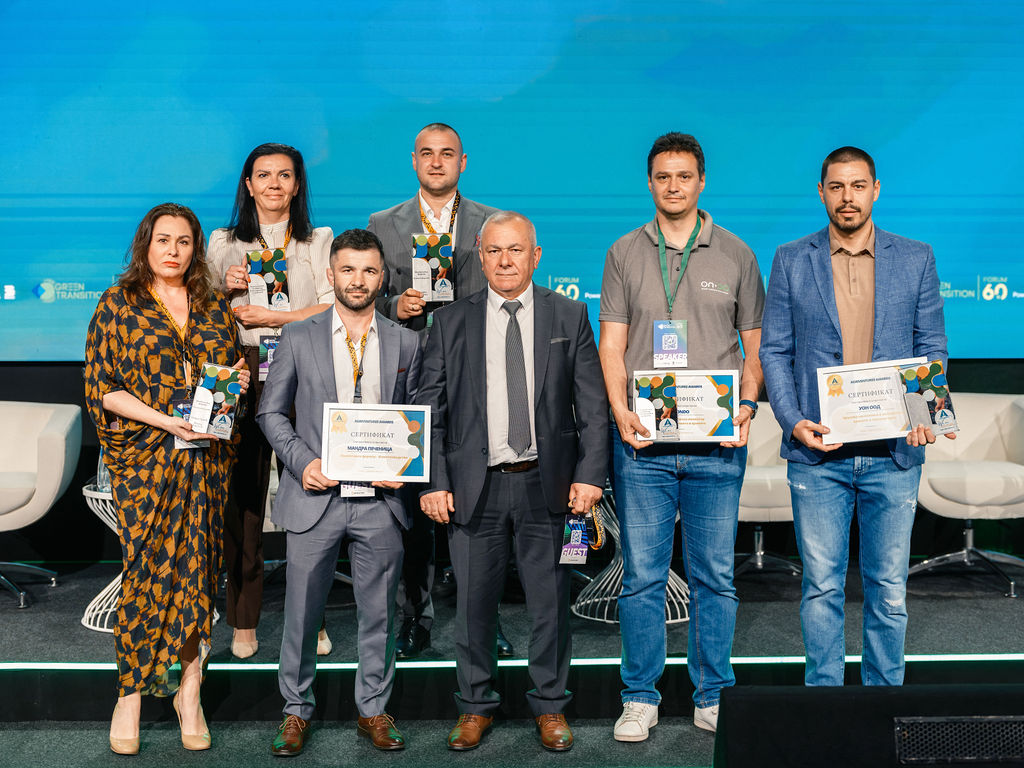
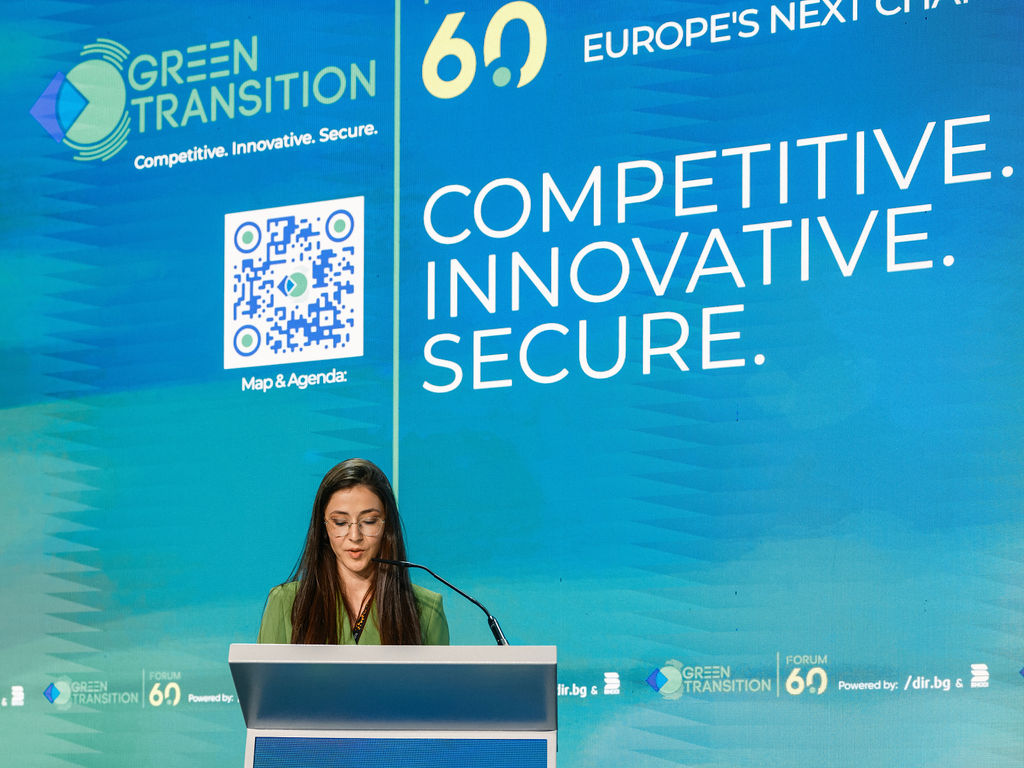
The first edition of the Agriventures Awards was held as a centrepiece event of the Green Transition Forum — a four-day gathering dedicated to innovation, sustainability, and the future of key industries, bringing together leaders, institutions, entrepreneurs, and investors from Bulgaria and across Europe. Organised in partnership with Agriventures, the awards placed a deliberate and long-overdue spotlight on the agriculture and food sector: one of the key engines of the green transition, and one of the most underserved when it comes to institutional visibility and access to growth capital.
This article presents the full results of the first Agriventures Awards, the stories behind each winner, and the broader context in which this initiative was created.
About Agriventures: Connecting Innovation with Opportunity
Agriventures is a cluster built around a clear mission: to support innovators in the agriculture and food sector by providing access to the resources, networks, and financing they need to grow. The cluster operates at the intersection of the farming community, the startup ecosystem, research institutions, and European funding frameworks — acting as a connective layer that many individual actors in the sector lack the capacity to build on their own.
At the heart of this mission is agriventures.co — a platform designed to help farmers, agri-food startups, cooperatives, and food producers identify and access funding opportunities at a supranational level.
Navigating the landscape of European programmes — from Horizon Europe and the European Agricultural Fund for Rural Development (EAFRD) to InvestEU and national co-financing instruments — is a complex undertaking that requires specialised knowledge. The agriventures.co platform addresses this gap directly, enabling users to match their project profiles against available funding streams and to take their first steps toward international-scale financing.
The Agriventures Awards were conceived as an extension of this mission. If the platform provides the infrastructure for innovation to find funding, the awards provide the visibility for innovation to be recognised — by peers, by investors, and by the broader public.
The Awards Format: Putting the Public at the Centre
The Agriventures Awards were structured around a founding principle: that the agricultural and food community itself should have the primary voice in determining who its leaders are. Rather than relying exclusively on an expert jury operating behind closed doors, the awards used a public voting mechanism as the core selection method, with the final results reflecting the collective judgment of an engaged and informed audience.
This approach was deliberate. Public voting serves multiple functions simultaneously: it generates awareness around nominated organisations, creates a measurable signal of community support, and ensures that the awards reflect genuine resonance within the sector rather than institutional consensus alone. For smaller companies and individual farmers — who may lack the marketing budgets to achieve wide visibility — the nomination and voting process itself represents a form of recognition and market exposure.
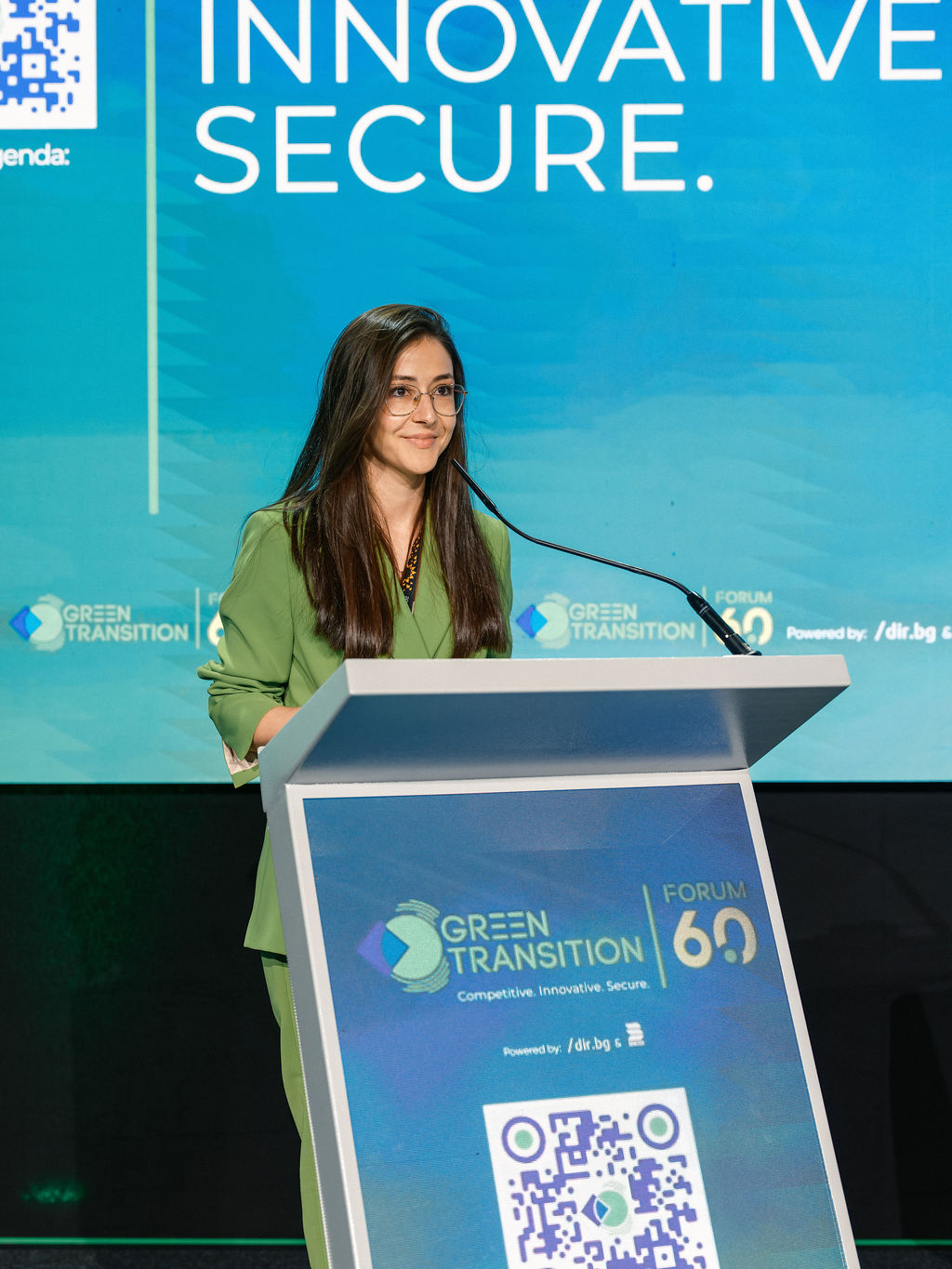
Seven categories were defined to reflect the full breadth of innovation happening across the agri-food value chain, from primary production to technology development, and from corporate ESG practice to individual entrepreneurship. The ceremony was hosted by Dilyаna, Project Manager at Agriventures, and the awards were presented by Agriventures team members before an audience of forum delegates on the final evening of the Green Transition Forum.
The Winners
Circular Economy in Agriculture, Food and Technology
Winner: УОН ООД (WON Ltd.)
The circular economy is one of the most cited frameworks in sustainability policy, but its practical implementation in the food sector remains far less advanced than the rhetoric surrounding it. WON Ltd. is one of the organisations working to change that in Bulgaria.
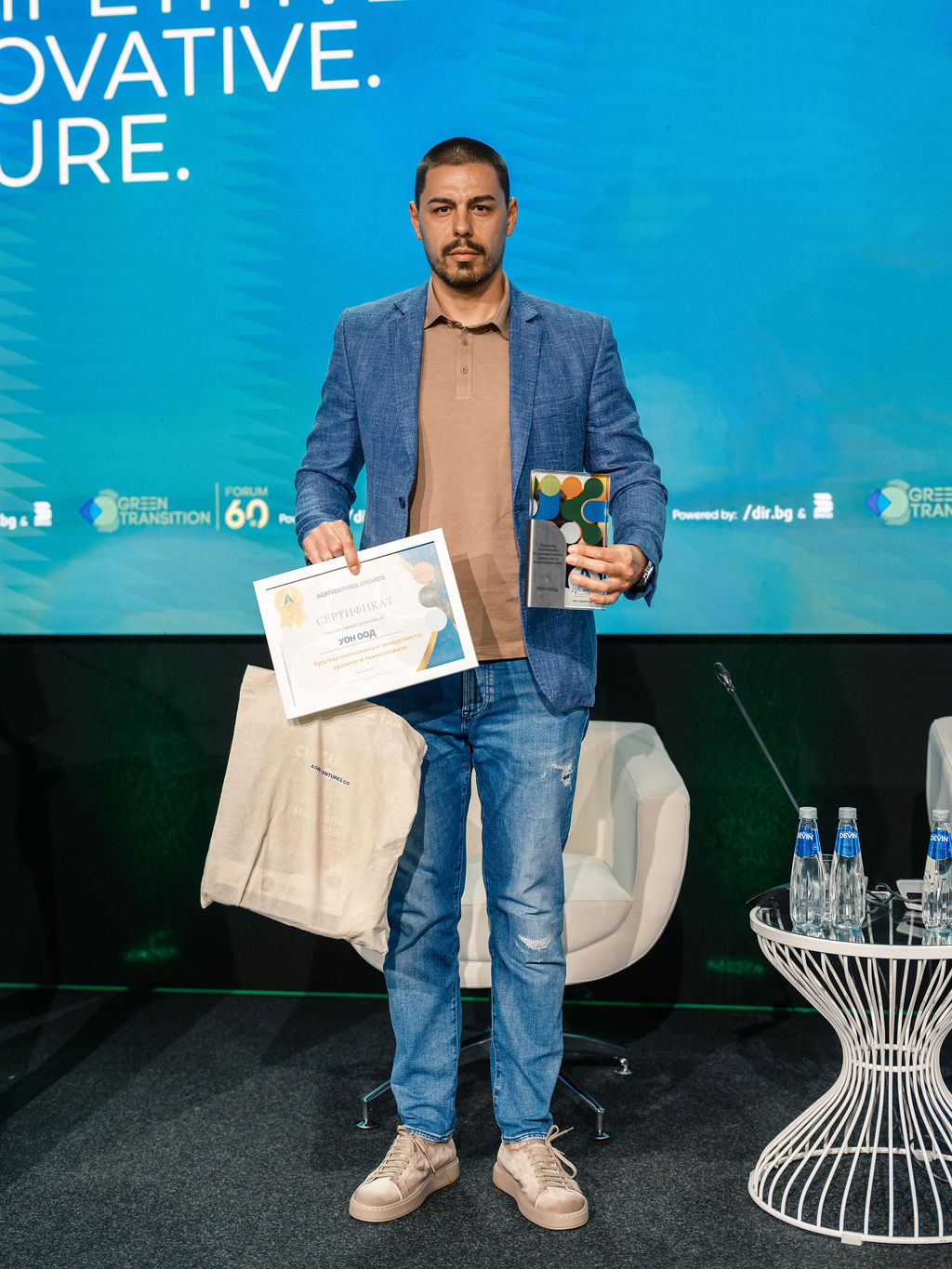
WON has built and maintains a national system for the circular management of used cooking oil, covering the entire lifecycle of the resource: collection from generators in professional kitchens, outreach to households, logistics, and final processing and recovery into usable outputs including biodiesel.
What makes WON's model particularly significant is its systemic scope — rather than addressing one part of the chain, the company has constructed an end-to-end infrastructure that transforms a widely distributed waste stream into a consistently managed resource.
Used cooking oil is among the most problematic food-sector waste products in terms of environmental impact when improperly disposed of, and among the most valuable when correctly recovered. UON's work demonstrates that circular economy in food is not a theoretical exercise but an operational and commercially viable reality.
ESG Company in Agriculture and Food
Winner: Хот Фарм (Hot Farm)
Environmental, social, and governance criteria are increasingly central to how investors, retailers, and institutional buyers evaluate agri-food businesses. For most companies in the sector, ESG is still an adaptation challenge — something to be retrofitted onto existing practices. For Hot Farm, it is the founding logic of the enterprise.
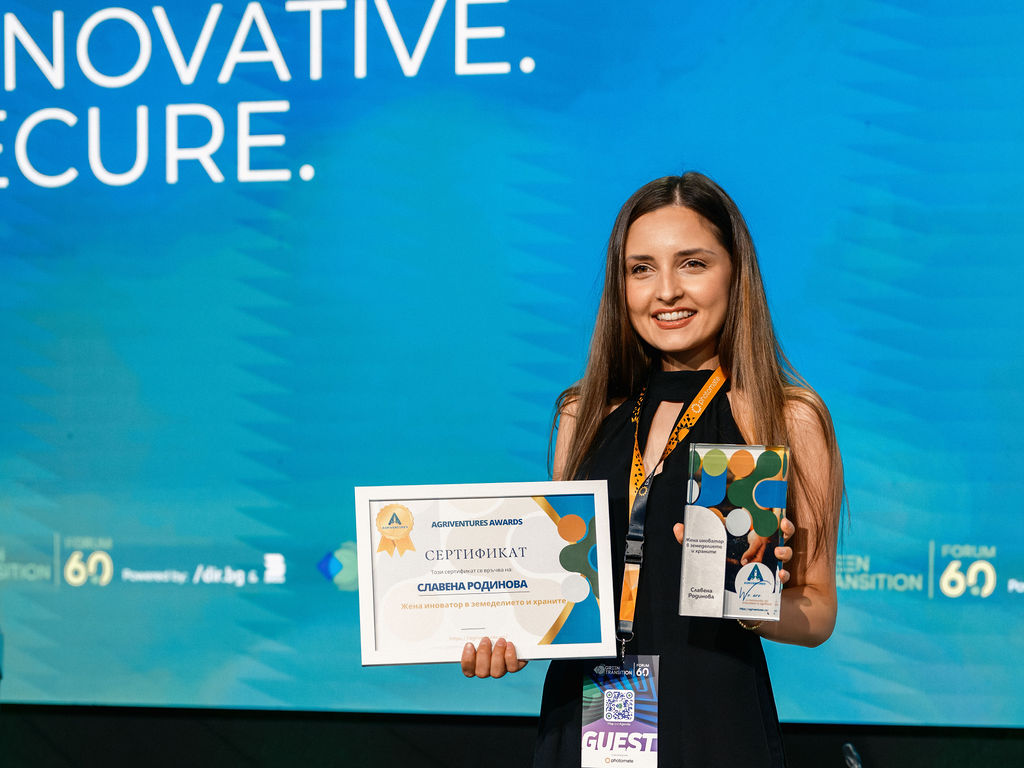
Hot Farm is a family-owned farm located in Strashimirovo, Bulgaria, specialising in the cultivation of hot peppers and the production of a wide range of artisanal food products using regenerative agriculture methods.
Regenerative agriculture — which focuses on rebuilding soil organic matter, restoring degraded soil biodiversity, and improving the water cycle — goes beyond the sustainability baseline of simply reducing harm. It is an active, restorative approach to land management that delivers measurable improvements in ecosystem health over time.
Hot Farm's recognition in the ESG category reflects not only its environmental practices but also its approach to social and governance dimensions: the transparency of its supply chain, its relationships with partners and distributors, and the integrity of its brand communications. As consumer demand for traceable, values-aligned food products continues to grow across European markets, Hot Farm represents a model that is both commercially relevant and ecologically responsible.
Innovative Farmer: Livestock
Winner: Мандра Печеница (Pechenitsa Dairy)
Innovation in livestock farming is often discussed in terms of technology adoption — sensors, data platforms, automated feeding and health monitoring systems. Pechenitsa Dairy's approach to innovation operates on a different but equally important axis: the redesign of the production process itself through the implementation of a closed-loop cycle that integrates traditional dairy craftsmanship with modern quality management.
The farm has developed a production model in which by-products and waste streams within the dairy process are recovered and reintegrated, reducing external inputs and improving overall resource efficiency.
At the same time, the core dairy products are processed according to traditional methods that preserve taste profiles and artisanal characteristics valued by consumers seeking authenticity and provenance.
This combination — closed-loop efficiency on the production side, craft quality on the product side — positions Pechenitsa Dairy as an example of how livestock and dairy innovation can be achieved without requiring large capital investment in digital infrastructure. The innovation here is principally one of process design and systems thinking, and it demonstrates that sustainable livestock farming is accessible to operations of varying scale.
Innovative Farmer: Crop Farming
Winner: Петьо Киров / Лиман 8 (Petyo Kirov / Liman 8)
Petyo Kirov farms inherited agricultural land in Bulgaria with a clear and considered conviction: that a restorative approach to crop production is not only the ethically correct choice for his region, but the agronomically sound one. Through his company Liman 8, he has developed a regenerative production model oriented around rebuilding soil potential and restoring biodiversity across his fields.
Regenerative crop farming involves a set of practices — cover cropping, reduced tillage, crop rotation, the integration of livestock where possible, and the elimination or significant reduction of synthetic inputs — that work together to rebuild the biological activity and physical structure of agricultural soils. The benefits accrue over multiple seasons and years, meaning that regenerative farmers are making long-term investments in land productivity that sacrifice some short-term yield optimisation in exchange for substantially greater resilience and fertility over time.
Petyo Kirov's work is particularly significant in the context of Bulgarian agriculture, where decades of intensive conventional farming have left many soils depleted and structurally degraded. The success of Liman 8 as a commercially viable regenerative operation provides an important proof point for other farmers in the region considering a transition, and his public recognition through the Agriventures Awards helps make that proof point visible.
Technology Innovator in Agriculture and Food
Winners (ex aequo): Ондо (Ondo) and Pollenity
The technology innovator category produced an exceptional outcome: two companies receiving an identical number of public votes, resulting in a shared award. Both represent distinct and highly relevant threads of agri-tech development.
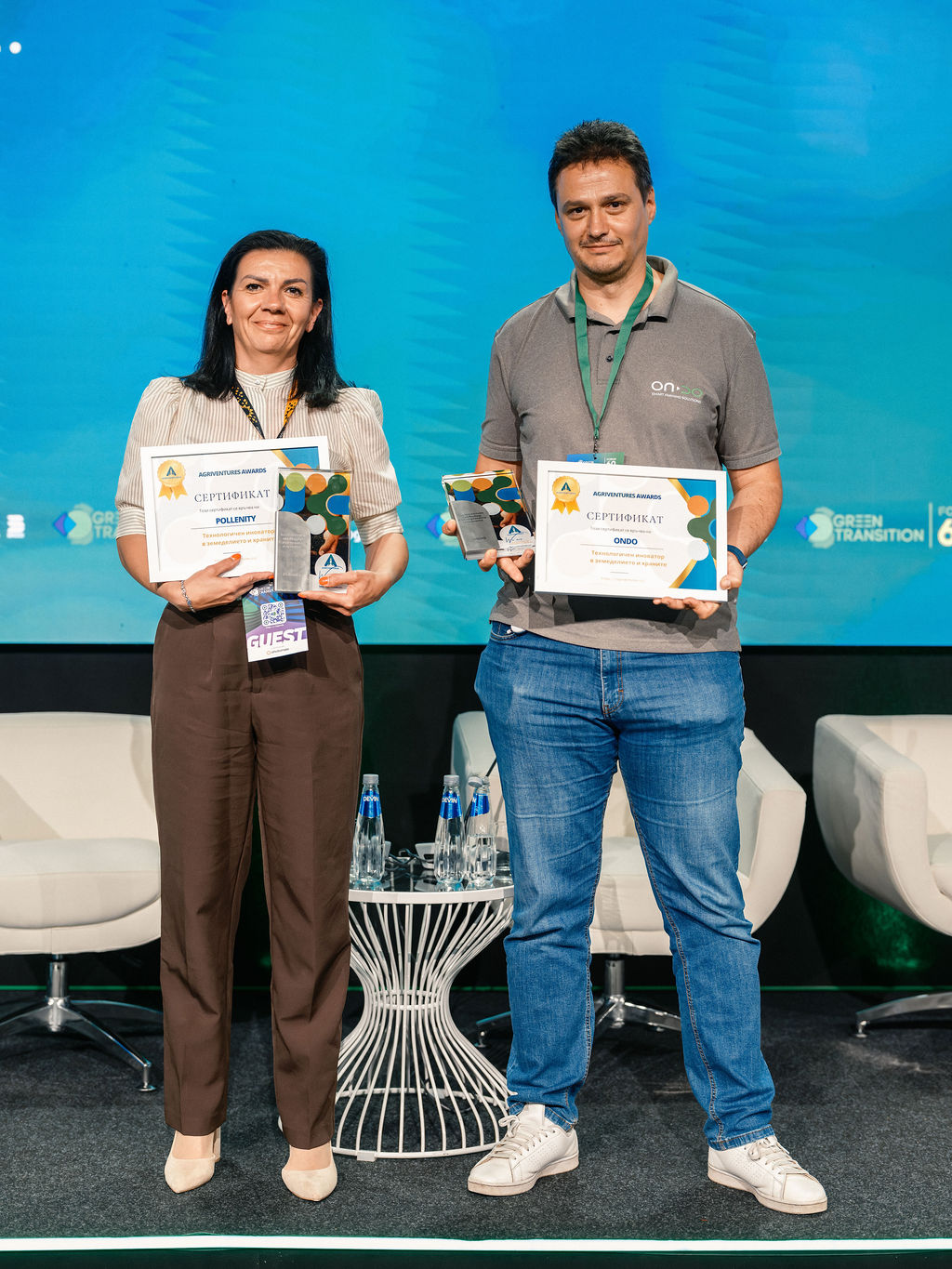
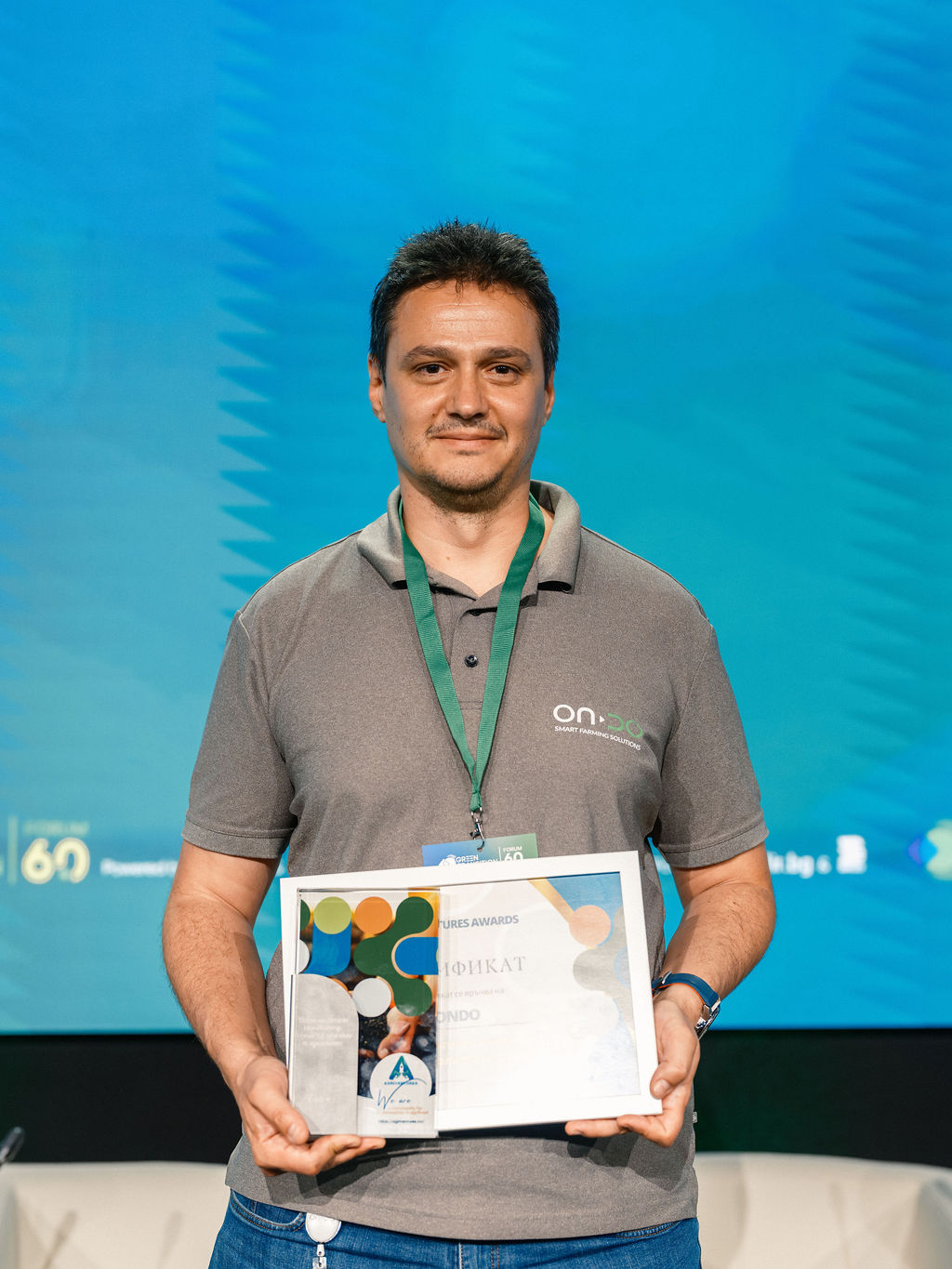
Ondo develops intelligent farm management solutions centred on automated irrigation, precision fertilisation, and microclimate control.
Using a combination of sensors deployed across field and greenhouse environments, real-time data collection, and software-driven automation, Ondo enables farmers to make resource allocation decisions — water, nutrients, energy — based on accurate, current conditions rather than scheduled routines or estimation.
The practical outcomes include significant reductions in water and fertiliser usage, improved crop quality and consistency, and reduced labour requirements for routine monitoring tasks. As water scarcity becomes an increasingly acute constraint on agricultural production across Southern and Eastern Europe, Ondo's technology addresses a challenge that will only grow in urgency.
Pollenity is a Bulgarian agri-tech company working at the intersection of precision technology and ecosystem services, specifically the monitoring and protection of bee colonies.
Pollenity develops hardware and software tools that allow beekeepers to continuously monitor the health, weight, temperature, and acoustic profile of their hives remotely, detecting early signs of disease, swarming, or colony stress before they result in significant losses.
Beyond the direct value to beekeeping operations, Pollenity's work contributes to the broader challenge of pollinator protection — a critical concern for agricultural productivity given that a substantial proportion of global food production depends on insect pollination. Their mission explicitly connects technological innovation with biodiversity outcomes, making Pollenity an important actor in the conversation about how agri-tech can serve ecosystem health rather than simply optimising yield.
Woman Innovator in Agriculture and Food
Winner: Славена Родинова (Slavena Rodinova), Hot Farm
Slavena Rodinova serves as CEO of Hot Farm and is the strategic and commercial driving force behind the development of the family's enterprise in Strashimirovo. In her role, she is directly responsible for sales strategy, marketing, brand development, and partner and distribution relationships — the external-facing functions that determine whether a farm with strong production capabilities can translate that quality into sustainable market presence.
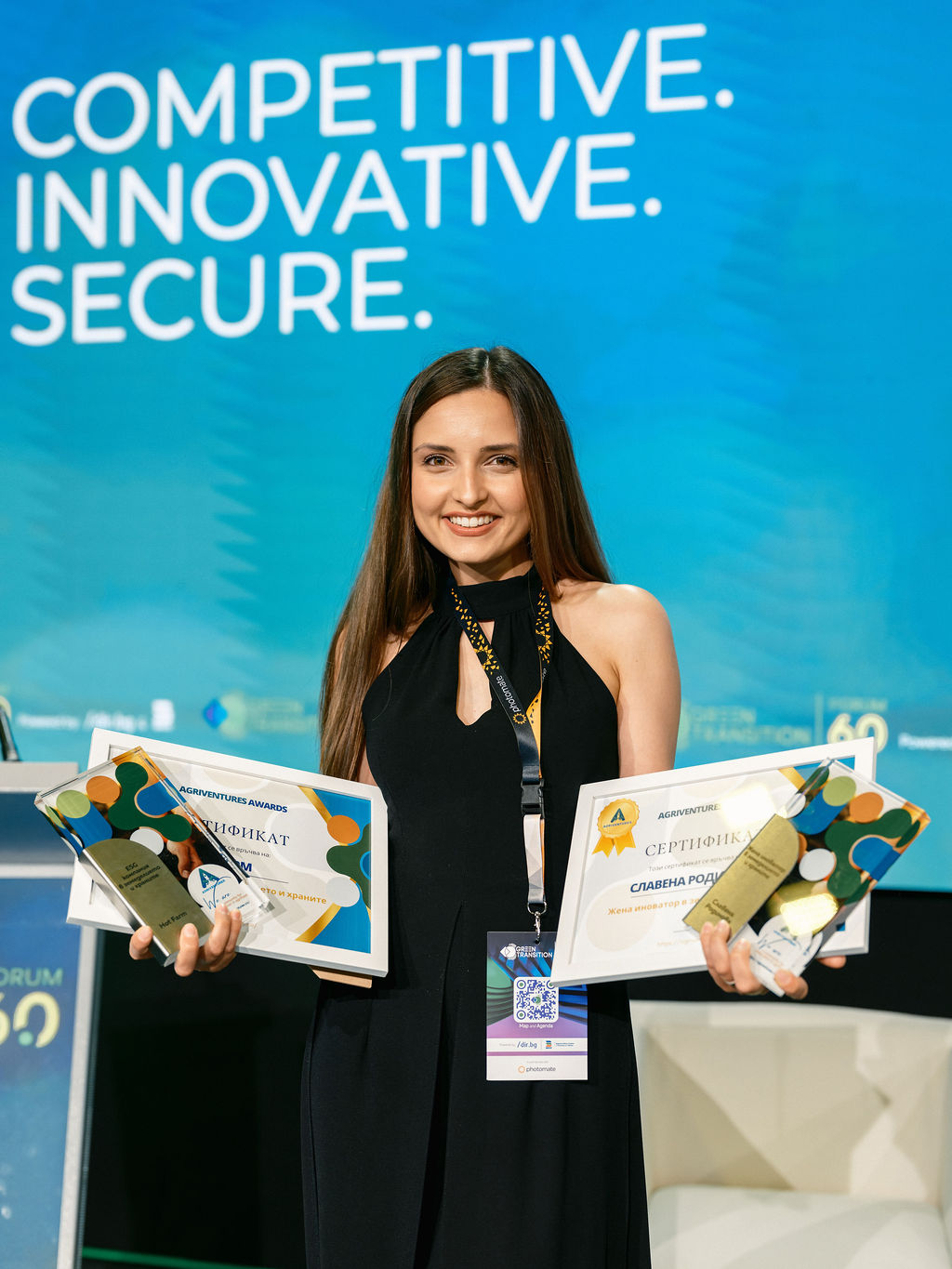
What makes Slavena's leadership particularly notable is the integration of commercial acumen with a deep commitment to the values that define Hot Farm's positioning: regenerative agriculture, artisanal quality, and transparent brand communication.
Building a recognisable and credible brand in the food sector requires consistency not only in product quality but in story — in the way a company communicates who it is, what it stands for, and why it matters. Slavena has led that process for Hot Farm with visible results.
Her recognition in the Women Innovator category reflects both individual achievement and a broader pattern worth acknowledging: women entrepreneurs in agriculture frequently operate in an environment that provides them with fewer institutional pathways, less access to peer networks, and lower baseline visibility than their male counterparts. Initiatives that explicitly recognise women leaders in the sector contribute to changing that dynamic — and to encouraging the next generation of women in agriculture to pursue leadership roles with the same ambition.
Bio-Based Products, Bioeconomy and Longevity
Winner: Българска Стевия ЕООД (Bulgarian Stevia Ltd.)
The bioeconomy — defined broadly as the production of renewable biological resources and their conversion into food, feed, bio-based products, and bioenergy — is one of the strategic frameworks at the heart of the European Union's sustainability agenda.
Bulgarian Stevia Ltd. operates at a compelling intersection within this space: the cultivation of Stevia Rebaudiana Bertoni and the production of natural, zero-glycaemic-index sweeteners derived from it.
Stevia is a plant native to South America whose leaves contain compounds — steviol glycosides — that are intensely sweet but have no effect on blood glucose levels, making them of significant interest for populations managing diabetes, obesity, or metabolic syndrome, as well as for food manufacturers reformulating products to reduce sugar content. The global market for natural sweeteners is growing rapidly, driven by regulatory pressure on added sugars and consumer demand for clean-label food products.
Bulgarian Stevia's decision to cultivate stevia in Bulgaria and to develop a domestic processing and production capability positions the country within a high-value, science-backed agricultural category that has historically been dominated by producers in Asia and South America. The company's work is simultaneously an agricultural innovation, a bioeconomy contribution, and a demonstration that Bulgarian farming can compete in niche, premium international markets given the right combination of agronomic expertise, product development, and market access.
The Broader Significance: Visibility, Funding, and the Infrastructure for Scale
Recognising individual innovators and organisations is necessary but not sufficient. The most important question that follows any award ceremony is: what happens next? How do the winners, and the finalists, and the broader community of agri-food innovators in Bulgaria translate visibility into resources, partnerships, and growth?
This is precisely the gap that Agriventures is built to address. The agriventures.co platform provides a structured pathway from innovation to funding — mapping the profiles of agri-food projects and businesses against the landscape of European and international financing instruments, and providing the guidance needed to navigate application processes that are often technically demanding and resource-intensive for smaller organisations.
The winners of the first Agriventures Awards represent the quality of innovation that already exists in the Bulgarian agri-food sector. Pollenity and Ondo are developing technologies with clear potential for European and global market expansion. Hot Farm has built a brand with the authenticity and values alignment that premium food markets reward. Bulgarian Stevia is entering a growing global category with a locally produced, competitively positioned product. UON is operating infrastructure that could serve as a model for circular economy implementation in other markets. The challenge for all of them — as for most innovative SMEs in the sector — is not a shortage of ambition or capability, but access to the capital and networks needed to scale.
Agriventures exists to help close that gap.
Acknowledgements
The first Agriventures Awards would not have been possible without the partnership and generosity of the Green Transition Forum team, who provided both the platform and the audience that a debut initiative of this kind requires.
The forum's commitment to bringing together innovators, investors, and institutional actors from across Bulgaria and Europe created exactly the context in which the awards could carry weight.
Equal thanks are due to every individual who participated in the public voting process. The quality and breadth of participation was a meaningful signal of the appetite within the sector for a dedicated recognition initiative — and a strong foundation on which to build future editions.
About Agriventures
Agriventures is a cluster with a mission to support innovators in the agriculture and food sector. Through community building, events, and the agriventures.co platform — dedicated to helping agri-food businesses discover and access supranational funding opportunities — Agriventures works to ensure that the best ideas in Bulgarian and European agriculture have the resources and visibility they need to create lasting impact.
Farmers, startups, food producers, and agri-tech companies looking to explore European and international funding opportunities are invited to visit agriventures.co.

The role of Agriventures in supporting agrifood innovation
As the agritech startup ecosystem grows across Europe, initiatives such as Agriventures are helping connect entrepreneurs, researchers, investors, and policymakers working in agriculture and food innovation.
Agriventures focuses on supporting agrifood startups, biotechnology innovation, and access to European funding for agriculture, while also helping entrepreneurs navigate the complex landscape of startup financing, venture capital, and research commercialization.
By strengthening connections between startups, research institutions, investors, and farmers, Agriventures contributes to building a stronger agricultural innovation ecosystem that can accelerate the transition toward sustainable agriculture and resilient food systems.
Through knowledge sharing, events, and ecosystem building, Agriventures helps ensure that promising agritech innovations can scale and reach farmers, food producers, and global markets.
Tags
Related Articles
Continue reading our latest insights and updates from the AgriVentures ecosystem.

Biotechnology, Agri-Inputs and Biosecurity: Why the Future of Farming Needs a Wider Conversation in Sofia
Agriculture is undergoing a quiet transformation. Genomic tools, precision biological solutions, and new generations of crop protection and plant nutrition products are changing what is possible in the field and along the whole food chain. At the same time, the same advances raise questions that the sector is only beginning to ask. Who controls the genetic resources and seeds we depend on? How do we manage biosecurity when biological agents and genomic technologies can be used for more than...

Where Agrifood Biotech and Research Funding Is Actually Going in 2026
Basic research doesn't fund itself, and in agrifood, the gap between a promising lab result and a fundable project often comes down to knowing which of a dozen overlapping EU programmes to approach first. Food safety science, biotech platforms, and multi-country research consortia each follow their own funding logic, and 2026 has brought fresh calls across all three. Two Live Examples Worth Studying Safe-Agri, one of AgriVentures' active projects, is reinforcing the security assessment...

VerAgro launches a free self-assessment to help farms measure - and improve - their sustainability
"How sustainable is your farm?" It's a question most producers can answer instinctively, but rarely with hard numbers. A new Bulgarian startup wants to change that. VerAgro, a Bulgaria-based agtech startup, has launched a free online self-assessment that gives farms and processors a clear, structured picture of where they stand on sustainability — and what to do next. A 20-minute check-up for your farm The tool works like a health check-up for your operation. Farmers and processors answer 57...
A New Door Is Opening for Bulgarian Farmers and Agri-Innovators - And It's Fully Funded
For years, the biggest barrier between Bulgarian agriculture and Europe's most advanced farms hasn't been ambition. It's been access — to the right rooms, the right people, and the budget to get there. AgriVentures' new Missions program was built to remove exactly that barrier, and it does it in a way few programs in the region ever have: by covering the full cost of getting Bulgarian farmers, entrepreneurs, scientists, and companies in front of Europe's leading agri-food innovators. If you...

Inside projects.agriventures.co: Your Gateway to EU AgriFood Innovation
AgriVentures has launched projects.agriventures.co, a dedicated portal that brings the full portfolio of our EU-funded initiatives into one place. Where agriventures.co connects agrifood innovators with funding, the Projects site shows what happens next: the live programmes, Living Lab pilots, and network activity that funding makes possible. Here's what you'll find on the site — and how each part of our community can put it to work. A Live Portfolio of EU Projects The homepage opens with our...

Understanding Biomass Flows in Europe: A €6M Horizon Europe Call Agrifood Founders Shouldn't Miss
A question we've been getting a lot lately, including from our own LinkedIn community, is some version of: "Can my startup actually apply for this, and how?" This time it's about Understanding biomass flows in Europe (HORIZON-CL6-2026-01-CIRCBIO-05), a Horizon Europe call with a total budget of €6,000,000 that opened on 17 April 2026 and closes on 17 September 2026. It's exactly the kind of opportunity worth breaking down properly, because the honest answer is "yes, but not the way most...
Never Miss an Update
Join our community to receive the latest insights, funding opportunities, and industry news from AgriVentures.