EU Agriculture Policy in Overdrive: Livestock Strategy, Protein Plan, NRPP Budget Deal and the NGT Breakthrough — All in One Week

Published by Agriventures | June 22, 2026
The final week of the Cypriot Presidency of the EU Council delivered one of the most consequential stretches for European agriculture policy in recent memory. Between June 16 and 21, 2026, the Council struck a partial budget deal, ministers agreed emergency fertiliser relief worth €540 million, confidential drafts of both the EU Livestock Strategy and the EU Protein Plan emerged into the public domain, and the European Parliament finally gave its green light to long-contested rules on New Genomic Techniques (NGTs). Here is a detailed breakdown of every major development.
1. Council Agrees Partial Negotiating Stance on the NRPP — the Cornerstone of the EU's Next Long-Term Budget
On June 16, EU ministers meeting at the General Affairs Council in Luxembourg agreed a partial general approach on the National & Regional Partnership Plans (NRPP) Regulation — the centrepiece of the EU's forthcoming Multi-annual Financial Framework (MFF) for 2028–2034. Spain and Luxembourg voted against, while Belgium, Bulgaria, Estonia, Malta and Slovakia abstained.
The word "partial" is key: financial and horizontal provisions remain open, as they are being negotiated as part of the broader MFF package. The partial general approach is the Council's mandate to begin formal inter-institutional negotiations with the European Parliament on the NRPP Regulation.
What Is the NRPP?
The NRPP introduces a "single fund" architecture designed to replace the current patchwork of separate programmes covering cohesion, agriculture and rural development, fisheries, migration, security, and the social climate fund. Under the new structure:
Each Member State will prepare one comprehensive national plan, combining investment and reform priorities.
Funding flows from Brussels only once agreed milestones and targets are met.
Plans must be co-developed with national, regional and local authorities, as well as relevant civil society stakeholders.
Financing is subject to horizontal conditionalities tied to fundamental rights and rule of law.
Each national plan must address six strategic objectives: fostering convergence and reducing regional disparities; supporting a resilient and competitive agricultural and fisheries sector; investing in people; protecting democracy and fundamental rights; bolstering internal security; and supporting defence capabilities.
Cypriot Deputy Minister for European Affairs Marilena Raouna described the NRPP as a "central pillar of the next MFF," one that "will strengthen the link between reforms and investments, helping to build a more resilient, competitive and cohesive Europe."
Member State Reservations
Several coalitions registered formal objections in the Council minutes:
Hungary, Bulgaria, Czech Republic and Romania jointly insisted that the "principle of 'nothing is agreed until everything is agreed' is still valid," warning that the NRPP has "obvious and strong interlinkages" with the post-2027 CAP Regulations, where a general approach will take longer to reach. They reserved the right to revisit CAP-related articles of the NRPP at a later stage.
Hungary separately cautioned that the compromise text does not adequately address the risk that the NRP Plans approval process could significantly delay the actual flow of funds to beneficiaries, casting doubt over whether EU money will genuinely reach farmers and regions without interruption from January 2028.
Estonia, Latvia and Lithuania issued a two-page statement arguing that regions bordering Russia and Belarus require "greater visibility across the future legislative framework, accompanied by additional EU-level support and adequate budgetary backing." They also underlined that the Baltic states remain among those receiving the lowest ring-fenced amounts per hectare under the current CAP and called for continued external convergence of direct payments.
Sweden accepted the general approach but flagged semantic concerns over the wording in Annex VI, specifically around the allocation of funds for material deprivation support.
What Comes Next?
A deal on the full MFF before the end of 2026 would allow legislative acts to be adopted in 2027, ensuring seamless continuity for EU funding from January 2028. The publication of a "negotiating box" by the Cypriot Presidency on June 11 has accelerated the pace. French presidential elections in April 2027 add a layer of political uncertainty to the timeline.
2. Fertiliser Crisis: €540 Million Package Agreed, Fast-Track Process Launched
In a separate but equally urgent dossier, EU Member States agreed on June 17 — at the end of the Special Committee on Agriculture (SCA) meeting — on a Council position accepting the Commission's proposal to amend the CAP Strategic Plans and Horizontal Regulations as concerns fertilisers.
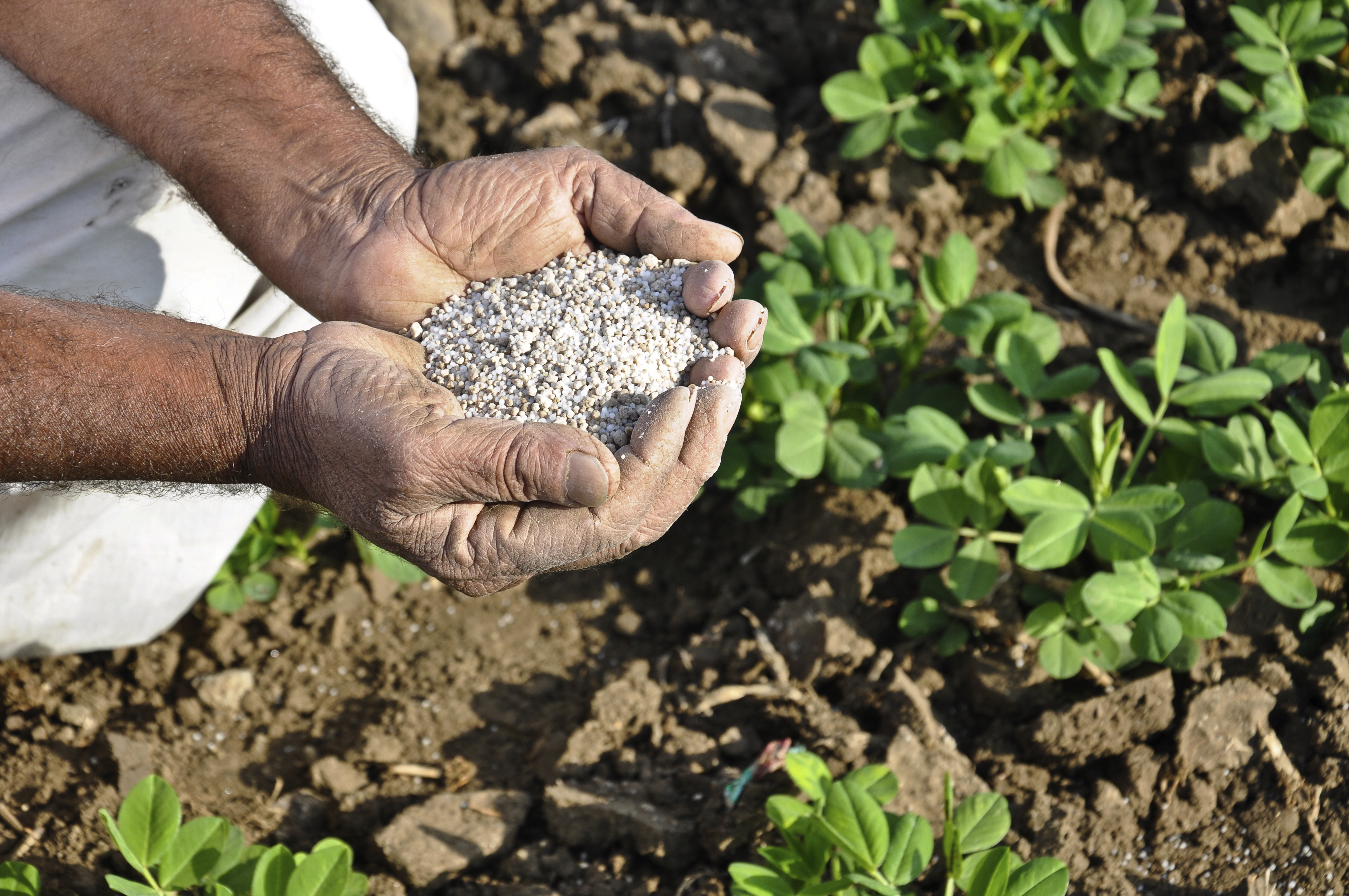
The package, worth €540 million, is designed to help European farmers cope with the sharp rise in fertiliser costs following the escalation of the crisis in the Middle East. Key features include:
Member States may choose a three-month reference period for calculating the additional input costs.
Measures become eligible immediately after entry into force of the regulation, without requiring prior amendment of CAP Strategic Plans.
Direct payment advances will be increased and brought forward; flexibilities for claim year 2027 will be extended.
Cypriot Agriculture Minister Dr Maria Panayiotou welcomed the outcome, saying the Council "acted swiftly to help farmers facing rising fertiliser costs" and pledged to "work closely with the EP to deliver this support without delay." The Presidency can now engage the European Parliament for a swift accord at first reading — bypassing a formal AGRIFISH debate.
3. The EU Livestock Strategy: A "Distinct European Approach" Built on Five Pillars
The most closely watched document of the week — and arguably of the entire Cypriot mandate — is the draft EU Livestock Strategy, set to be published formally on July 1 at the very start of the Irish Presidency. Based on information circulating on June 17–18, the 21-page draft is organised around five structural pillars and is still subject to change as it completes the Interservice Consultation (ISC). The draft "builds on extensive stakeholder engagement, framed by the Livestock Workstream including more than one year of dialogue with Member States, farmers, industry representatives and civil society including the European Board on Agriculture and Food (EBAF)."
For Agriventures readers working in the livestock sector, the strategy directly affects farm-level planning, investment decisions, and agri-food business models. Read our full coverage at agriventures.co/updates →
Why a Strategy Now?
DG AGRI describes livestock farming as a "strategic sector for the EU economy, food security and rural vitality." The numbers are significant:
Livestock represents approximately 40% of EU agricultural added value.
The sector generates roughly €400 billion in annual turnover.
It employs 7 million people across 4 million farms, often in areas with few alternative economic activities.
It contributes positively to global food security via a strong EU trade balance and growing demand for EU products.
At the same time, the sector is under pressure. Since the mid-2000s, bovine animal numbers have declined by around 10%, pig numbers by 15%, and sheep and goat numbers by over 20%. Poultry is the only sub-sector that has grown. Structural challenges include reduced margins, high and volatile input costs, dependence on imported feed and fertilisers, climate stress, animal disease outbreaks, labour shortages, and increasing societal expectations around animal welfare and environmental performance.
The Five Pillars in Detail
Pillar 1 — Resilience
The first and most fundamental pillar focuses on building a livestock sector that can withstand shocks: market disruptions, animal disease outbreaks, and extreme weather events. Priority actions include:
Strengthening the risk management framework, giving farmers better access to insurance, reinsurance, mutual funds and income stabilisation tools.
Working with the European Investment Bank (EIB) to develop a dedicated risk-management financial instrument covering climate-related insurance and animal disease risks.
Reinforcing disease prevention and response, including a review of the Animal Health Law (now 10 years old) and broader use of preventive vaccination, including DIVA vaccines for African Swine Fever (ASF) and highly pathogenic avian influenza.
Integrating AI tools for early detection and warning systems, alongside improved information dissemination to farmers.
Reducing dependence on imported inputs by supporting home-grown protein production, locally sourced feed, on-farm renewable energy and bio-based fertilisers.
Pillar 2 — Competitiveness
Europe's competitive advantage lies in quality, traceability and high standards — but DG AGRI chief Elisabeth Werner has stressed that this must be actively protected through efficiency, stronger value chains, and market differentiation. The draft document highlights a financing gap estimated at over €18 billion for the livestock sector (according to the Fi-Compass) — a gap that cannot be met from a single source.
Proposed solutions include:
A dedicated financial instrument for the livestock sector to bridge investment needs in sustainability and animal welfare transitions.
Better market remuneration, simplified rules, faster permitting, and a stronger position for farmers in the food supply chain.
Reciprocity in production standards for imports, ensuring that trading partners meet equivalent animal welfare and environmental requirements.
Further regulatory simplification going beyond the Food & Feed Omnibus, including more agile hygiene rules and a more reactive framework for feed additives.
The CAP, NRPP and European Competitiveness Fund are all cited as key instruments to scale up investments.
Pillar 3 — Sustainability
"Investments in sustainability are investments in the long-term future of farming," the draft states. This pillar covers both environmental sustainability and animal welfare — while insisting on a "fair and balanced transition" that does not place the financial burden solely on farmers.
Key measures anticipated include:
Value chain sustainability agreements in which all actors — including the retail and intermediary sectors — share responsibility for the transition, building on successive CMO reforms.
A voluntary on-farm sustainability compass providing practical and comparable assessments across diverse farming systems, with a specific tool for livestock farmers confirmed.
Harmonised farm-level emissions metrics for livestock, particularly for enteric methane — the largest source of agricultural greenhouse gas emissions in the EU (12% of total GHG).
On animal welfare, the draft acknowledges ongoing internal discussions between DG AGRI and DG SANTE. Targeted revisions are expected for hens and broilers (phasing out cages, on-farm welfare indicators, ending the systematic killing of male chicks), pigs (moving from crates to pen systems) and import equivalence requirements. "These high standards for EU producers must be met with reciprocal requirements for imports and adequate enforcement," the draft states.
The Livestock Workstream will also "dedicate specific resources to developing a roadmap on slaughterhouses," focusing on mobile units and smaller abattoirs in rural and mountainous areas.
Pillar 4 — Territorial Diversity
The strategy insists that livestock systems must "reflect Europe's different regions and production models." Priority support will target mountain areas, grasslands, northern regions and marginal territories at risk of abandonment, including through:
Local value chains and processing infrastructure investment.
Digital connectivity and rural advisory services.
Generational renewal — widely acknowledged as one of the most pressing structural challenges in European agriculture.
Mobile slaughterhouses and smaller abattoirs, particularly in the framework of shorter supply chains.
Pillar 5 — Excellence
The final pillar proposes a "distinct European approach to livestock production" grounded in quality, high standards, sustainability, animal welfare, territorial anchoring, know-how and consumer trust. Brigitte Misonne, DG AGRI's Acting Director for Markets, outlined this vision at the Forum for the Future of Agriculture Regional Event at the RDS in Dublin on June 2. Werner has stated publicly: "not only to ensure that livestock production can survive, but that it can thrive, remaining competitive, sustainable and firmly rooted in its territories."
The EU Livestock Strategy, together with the Protein Plan, will be formally unveiled at the start of the Irish Presidency on July 1. The Livestock Workstream — which held its latest meeting in Brussels on June 17 — will reconvene on September 16 and November 17 to monitor implementation progress.
4. The EU Protein Plan: Targeting 35% Self-Sufficiency by 2035
Published as a companion document on the same day (July 1), the 22-page "Plan for Resilience, Strategic Autonomy and Sustainability of the EU Protein System" addresses one of the sector's most chronic structural vulnerabilities: the EU's deep dependence on imported plant-based protein, primarily soya from North and South America.

The headline target: raise the share of protein from EU-grown oilseeds and protein crops used as feed in the EU from 25% in 2025 to 35% by 2035.
The draft plan, still subject to ISC, frames the challenge in stark geopolitical terms: "Europe is at a crossroads. In a fast-changing world and growing uncertainty, bold action is needed to boost our economic competitiveness while, at the same time, strengthen our strategic autonomy." Existing dependencies on fertilisers, feed and energy are described not merely as economic risks but as "central vulnerabilities with an impact on our security."
The EU is described as a "livestock powerhouse," with the sector accounting for more than half of total agricultural output (59% in 2024) and using 74 million tonnes of protein as feed annually. Feed additives — vitamins and amino acids — are flagged as a particular vulnerability, given China's "ultra-dominant position, and even a quasi-monopoly for some" on the global market for these substances.
Five Action Areas
The Annex to the Protein Plan lays out five clusters of action:
1. Developing Protein Crop Value Chains
Implementing marketing standards and labelling of origin for protein crops.
Facilitating the marketing of products from animals fed with GM-free compound feed on EU-produced feed materials.
Setting an EU-wide benchmark to monitor protein strategic autonomy.
2. Enhancing Knowledge on EU Protein Self-Sufficiency
Issuing guidance on harmonised feed and food protein balance sheets.
Assessing protein crop production at NUTS2 level using Integrated Administration and Control Systems (IACS) data.
Establishing EU protein dialogues with Member States.
Launching a study to assess the full extent of EU dependencies.
3. Incentivising the EU Protein Value Chain
Raising awareness of EU promotion funds for pulses.
Integrating pulses into the School Scheme to build consumer familiarity from childhood.
Supporting Member States in advancing taxation policies that enhance consumer access to resilient and affordable food.
Investing in storage and processing facilities for locally produced high-protein feed under the NRPP and European Competitiveness Fund.
4. Improving Competitiveness of EU Protein Crops and Alternative Proteins
A strategic R&I approach for agriculture, forests, rural areas and food systems.
Funding research to foster competitiveness and resilience of protein crops and alternative proteins.
Developing a certification methodology for agriculture and agroforestry covering N₂O emission reductions from leguminous crops under the Carbon Removals and Carbon Farming (CRCF) Regulation.
5. Harnessing Partnership in the European Neighbourhood
Advancing cooperation with Ukraine to diversify the supply of protein crops while aligning production standards, including under the Global Gateway framework.
The draft plan explicitly "complements the Livestock Strategy," noting that plant-based protein food and drinks offer "the biggest market potential given the stable regulatory framework and consumer acceptance" among alternative protein categories. Further detail is expected via the forthcoming Biotech Act II.
Follow all EU protein and livestock policy updates at agriventures.co/updates →
5. AGRIFISH Council (June 22–23): Fisheries, Future CAP and a Presidency Handover
Agriculture and Fisheries Ministers gathered at the European Convention Centre in Luxembourg on June 22–23 for the final AGRIFISH Council under the Cypriot Presidency of Dr Maria Panayiotou.
Day One — Fisheries:
A partial general approach was sought on the Regulation on conditions for Union support to fisheries, aquaculture and maritime policy for 2028–2034.
The Commission presented its state of play and orientations for sustainable fishing in 2027.
AOB items included BSE monitoring and alignment with WOAH criteria (Belgium), greater flexibility in the bear population conservation regime (Romania), and an update on West Africa Sustainable Fisheries Partnership Agreements (Latvia).
Day Two — Future CAP:
A closed-door policy debate on "Flexibility, subsidiarity and common EU objectives" as the structural backbone of the post-2027 CAP.
Ukraine's Deputy Prime Minister Taras Kachka joined via video link for the market situation discussion.
The Presidency briefed Ministers on the state of play of the broader CAP legislative package, organic farming regulation and the targeted revision of the Common Market Organisation (CMO).
At 3:45pm, Panayiotou formally handed the rotating Presidency to Ireland's Minister Martin Heydon, marking the start of the Irish Presidency, which runs until December 31, 2026.
DG AGRI's Elisabeth Werner, speaking to the SCA ahead of the Council, stressed that the future CAP must remain a common policy based on common instruments, while accommodating "a significant, but not excessive, degree of flexibility at national level."
The Irish Presidency is already planning a full agenda. The first SCA under Dublin's stewardship takes place on July 6, followed by an AGRIFISH Council on July 13. A dedicated Informal AGRIFISH is scheduled for September 6–8 near Dublin, focused on how "livestock farming and food production can remain sustainable, competitive and resilient, while supporting food security, generational renewal and rural communities" — as outlined on the Irish Presidency's website.
6. New Genomic Techniques (NGTs): European Parliament Votes Yes — After Nearly a Decade of Debate
In a separate but highly significant development for plant breeding and seed innovation, the European Parliament on June 17 formally adopted the Regulation on New Genomic Techniques (NGTs) at its Strasbourg plenary session. The provisional agreement between MEPs and the Council had been reached in December 2025, ending nearly a decade of legal and political uncertainty.
What the Regulation Does
NGT-altered plants are split into two categories with different obligations:

NGT-1 covers plants with a limited number and type of changes that could have occurred through conventional breeding. Once verified, they are treated like conventional plants — no special authorisation required. Plants engineered for herbicide tolerance or to produce insecticidal substances are explicitly excluded from NGT-1 classification, following a demand from the Parliament.
NGT-2 covers plants with more extensive or complex genetic modifications. These remain subject to the existing GMO Regulation, including full risk assessment and authorisation before commercialisation.
Patents on NGTs will be permitted, except for traits or sequences occurring in nature or produced by biological means. Critically, no NGTs will be permitted in organic production, though the "technically unavoidable presence" of NGT-1 plants would not constitute non-compliance.
The Regulation enters into force 20 days after publication in the EU Official Journal and applies two years thereafter.
Several products made from NGT plants are already on the market or in advanced development outside the EU — including low-gluten wheat, pathogen-resistant potatoes and drought-tolerant maize.
Industry Reactions: Broadly Positive
Copa-Cogeca, the EU's largest farm lobby, called it a "landmark decision that opens the door to the next generation of crop varieties for European agriculture," with benefits including resistance to pests and diseases, better climate adaptation, and more stable yields. The umbrella body called for rapid advance of secondary legislation to ensure legal clarity.
Euroseeds CEO Garlich von Essen said the vote "marks the conclusion of an almost decade-long period of legal and political uncertainty" and hailed close collaboration between breeders and farmers as essential to the outcome: "The trustful exchange between Euroseeds and Copa-Cogeca has been essential in achieving this success. We truly have been Growing the Future — together!"
A coalition of 30 agri-food organisations — spanning the entire food chain from field to fork — jointly welcomed the adoption in a joint statement signed on June 17, describing it as "an important step forward for innovation in plant breeding, sustainability and competitiveness in European agriculture." Signatories include representatives from Copa-Cogeca, CropLife Europe, FoodDrinkEurope, FEFAC, Freshfel Europe, CEJA (young farmers), EuropaBio, Euroseeds and many others.
Rapporteur Jessica Polfjärd (EPP, Sweden) described the result as "an historic victory for Europe's farmers and Europe's future," arguing that "by approving the use of NGTs, we have chosen innovation, competitiveness and food security."
Critics Push Back
IFOAM Organics Europe reaffirmed its commitment to producing food without NGTs ahead of the High-level Preview of the European Organic Congress in Brussels (June 23) and its General Assembly (June 24). While welcoming the prohibition of NGTs in organic production and the labelling requirement for seed lots, the organic movement raised alarm over patents on traits and genetic sequences, warning these "risk limiting access to genetic resources, reducing innovation, increasing dependencies, and will lead to increasing market concentration within the food system." IFOAM President Jan Plagge urged policy-makers to "pay more attention to who controls the technologies they choose to deregulate."
Corporate Europe Observatory (CEO) was more blunt, accusing the "right-wing majority" in the EP of "scrapping existing safety and transparency rules for new GM foods," claiming the result benefits "big seed and pesticide companies like Bayer-Monsanto, BASF, Corteva and Syngenta." CEO argued that "already today, these multinational seed corporations dominate 60% of the commercial seed market," compounding dependency risks for both farmers and breeders.
Key Dates and What to Watch
Bottom Line for the Agri-Food Sector
This week's developments reflect a European agriculture policy landscape in genuine transition. The NRPP partial deal signals that the architecture of EU funding post-2027 is beginning to take shape — even if the biggest fights over budgets and CAP reform remain ahead. The fertiliser package confirms that EU institutions can move quickly when political pressure demands it.
The Livestock Strategy and Protein Plan together represent the most comprehensive attempt the EU has made to set a long-term direction for animal agriculture since the decoupling reforms of the early 2000s. For farmers, the five-pillar framework offers a roadmap, but also raises pointed questions about who will fund the transition and on what timeline.
And the NGT vote, whatever one thinks of the policy substance, ends a decade of regulatory limbo and opens new possibilities for plant breeding across the continent.
Stay up to date with all EU agriculture policy developments at agriventures.co/updates →
The role of Agriventures in supporting agrifood innovation
As the agritech startup ecosystem grows across Europe, initiatives such as Agriventures are helping connect entrepreneurs, researchers, investors, and policymakers working in agriculture and food innovation.
Agriventures focuses on supporting agrifood startups, biotechnology innovation, and access to European funding for agriculture, while also helping entrepreneurs navigate the complex landscape of startup financing, venture capital, and research commercialization.
By strengthening connections between startups, research institutions, investors, and farmers, Agriventures contributes to building a stronger agricultural innovation ecosystem that can accelerate the transition toward sustainable agriculture and resilient food systems.
Through knowledge sharing, events, and ecosystem building, Agriventures helps ensure that promising agritech innovations can scale and reach farmers, food producers, and global markets.
Tags
Related Articles
Continue reading our latest insights and updates from the AgriVentures ecosystem.

Where Agrifood Biotech and Research Funding Is Actually Going in 2026
Basic research doesn't fund itself, and in agrifood, the gap between a promising lab result and a fundable project often comes down to knowing which of a dozen overlapping EU programmes to approach first. Food safety science, biotech platforms, and multi-country research consortia each follow their own funding logic, and 2026 has brought fresh calls across all three. Two Live Examples Worth Studying Safe-Agri, one of AgriVentures' active projects, is reinforcing the security assessment...

VerAgro launches a free self-assessment to help farms measure - and improve - their sustainability
"How sustainable is your farm?" It's a question most producers can answer instinctively, but rarely with hard numbers. A new Bulgarian startup wants to change that. VerAgro, a Bulgaria-based agtech startup, has launched a free online self-assessment that gives farms and processors a clear, structured picture of where they stand on sustainability — and what to do next. A 20-minute check-up for your farm The tool works like a health check-up for your operation. Farmers and processors answer 57...

A New Door Is Opening for Bulgarian Farmers and Agri-Innovators - And It's Fully Funded
For years, the biggest barrier between Bulgarian agriculture and Europe's most advanced farms hasn't been ambition. It's been access — to the right rooms, the right people, and the budget to get there. AgriVentures' new Missions program was built to remove exactly that barrier, and it does it in a way few programs in the region ever have: by covering the full cost of getting Bulgarian farmers, entrepreneurs, scientists, and companies in front of Europe's leading agri-food innovators. If you...

Inside projects.agriventures.co: Your Gateway to EU AgriFood Innovation
AgriVentures has launched projects.agriventures.co, a dedicated portal that brings the full portfolio of our EU-funded initiatives into one place. Where agriventures.co connects agrifood innovators with funding, the Projects site shows what happens next: the live programmes, Living Lab pilots, and network activity that funding makes possible. Here's what you'll find on the site — and how each part of our community can put it to work. A Live Portfolio of EU Projects The homepage opens with our...

Understanding Biomass Flows in Europe: A €6M Horizon Europe Call Agrifood Founders Shouldn't Miss
A question we've been getting a lot lately, including from our own LinkedIn community, is some version of: "Can my startup actually apply for this, and how?" This time it's about Understanding biomass flows in Europe (HORIZON-CL6-2026-01-CIRCBIO-05), a Horizon Europe call with a total budget of €6,000,000 that opened on 17 April 2026 and closes on 17 September 2026. It's exactly the kind of opportunity worth breaking down properly, because the honest answer is "yes, but not the way most...
SYSARM Launches Its Website: Discover Why Systems Thinking Is the Future of Farming
We are excited to announce the launch of the official SYSARM – Systems Thinking for Agricultural Risk Management website! 🌐 Visit us at: https://sysarm.eu/ As the project begins its journey, the website will become the central hub for news, project updates, learning resources, events, and insights into one of the most important concepts shaping the future of agriculture: systems thinking. What Is Systems Thinking? Agriculture has always been about managing uncertainty. Today, however,...
Never Miss an Update
Join our community to receive the latest insights, funding opportunities, and industry news from AgriVentures.