EU-India Trade Agreement: New Horizons for Agri-Food Businesses


In early 2026, the European Union and India concluded a landmark free trade agreement (FTA) — one of the largest trade deals ever negotiated — designed to deepen economic ties, remove trade barriers, and open new opportunities for businesses across both markets.
Together, the EU and India represent nearly 25% of global GDP and about 2 billion consumers, creating an expansive platform for trade growth.
For the agri-food sector, this new EU-India trade pact removes or significantly reduces tariffs on a wide range of goods, making it easier — and more profitable — for European food producers to enter India’s rapidly expanding consumer markets.
Currently, Indian tariffs on EU agri-food exports average around 36% and climb as high as 150% on products like wine, olive oil and processed foods. Under the new FTA, tariffs on many of these categories will fall sharply — for example, wine duties could drop to between 20% and 30%, and olive oil tariffs could eventually be eliminated entirely.
This shift is not just about duty savings: it unlocks access to a massive middle-class consumer base where demand for high-value European agri-food products such as premium olive oil, confectionery, specialty beverages, and processed foods is growing fast. These new market openings promise European producers — including agribusinesses and food tech startups — competitive entry into one of the world’s most vibrant economies.
At the same time, the agreement protects sensitive agricultural sectors (like dairy, rice, sugar and poultry) on both sides, combining market access with safeguards that help avoid sudden disruptions to domestic farming industries.
Despite the promise of tariff cuts and expanded access, navigating trade agreements and leveraging them for business success is complex. That’s where being part of a community like AgriVentures becomes essential.
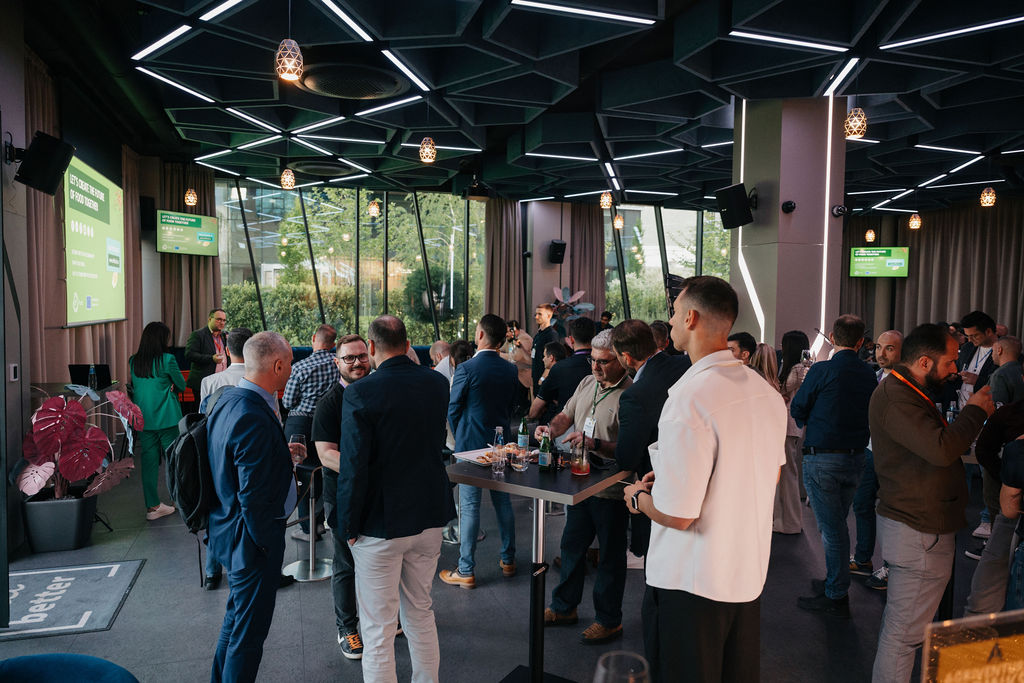
AgriVentures Connect brings together agrifood innovators, producers, exporters, investors, and advisors — creating a networked ecosystem that helps members:
Understand policy changes like the EU-India FTA and translate them into
actionable business strategies.
Connect with international partners and distribution channels in markets like
India.
Share insights and best practices on export readiness, compliance with food safety and quality standards, and cross-border logistics.
Access tailored support, mentorship and collaborative opportunities that accelerate growth.
For many agri-food entrepreneurs, these connections are critical to reduce risk and seize emerging export possibilities created by the FTA.
The EU-India trade agreement does more than lower tariffs — it also offers a more stable regulatory and business environment, which can unlock trade and innovation funding opportunities for agri-food companies. EU programmes such as:
Horizon Europe (research and innovation),
EIC Accelerator (scaling high-potential startups),
COSME and SME internationalisation support, and
Export Credit Agencies and SME export financing tools
can help prepare businesses for international expansion. With preferential trade terms in place, accessing finance to build export capacity or enter new markets becomes more attractive to investors and public funding bodies alike.
AgriVentures helps members navigate such funding landscapes, connecting them with grant calls, partner networks, and investors focused on agri-food trade and innovation.
The agri-food sector is inherently diverse, with wide-ranging challenges — from production scalability and food safety compliance to brand building and supply chain efficiency. The EU-India agreement amplifies this diversity, offering multiple entry points depending on product category, market segment, and business model.
A community like AgriVentures lets companies co-develop solutions, learn from peers facing similar export hurdles, share case studies on market entry strategies, and collaborate on international opportunities that go beyond traditional borders.
The EU-India Free Trade Agreement is a transformative opportunity for European agri-food producers and exporters. By reducing trade barriers and opening the Indian market to high-value products, it sets the stage for growth, diversification and stronger global linkages.
But navigating new markets — with differing standards, logistics challenges, and competitive dynamics — requires knowledge, strategy, and connections. AgriVentures provides the community, insights and support systems that help agribusinesses turn policy opportunities into real commercial success, ensuring that members not only compete but thrive on the global stage.
👉 Learn more on EU-India Free Trade Agreement
👉 Start your fundraising journey with Agriventures
Tags
Related Articles
Continue reading our latest insights and updates from the AgriVentures ecosystem.

Biotechnology, Agri-Inputs and Biosecurity: Why the Future of Farming Needs a Wider Conversation in Sofia
Agriculture is undergoing a quiet transformation. Genomic tools, precision biological solutions, and new generations of crop protection and plant nutrition products are changing what is possible in the field and along the whole food chain. At the same time, the same advances raise questions that the sector is only beginning to ask. Who controls the genetic resources and seeds we depend on? How do we manage biosecurity when biological agents and genomic technologies can be used for more than...

Where Agrifood Biotech and Research Funding Is Actually Going in 2026
Basic research doesn't fund itself, and in agrifood, the gap between a promising lab result and a fundable project often comes down to knowing which of a dozen overlapping EU programmes to approach first. Food safety science, biotech platforms, and multi-country research consortia each follow their own funding logic, and 2026 has brought fresh calls across all three. Two Live Examples Worth Studying Safe-Agri, one of AgriVentures' active projects, is reinforcing the security assessment...

VerAgro launches a free self-assessment to help farms measure - and improve - their sustainability
"How sustainable is your farm?" It's a question most producers can answer instinctively, but rarely with hard numbers. A new Bulgarian startup wants to change that. VerAgro, a Bulgaria-based agtech startup, has launched a free online self-assessment that gives farms and processors a clear, structured picture of where they stand on sustainability — and what to do next. A 20-minute check-up for your farm The tool works like a health check-up for your operation. Farmers and processors answer 57...

A New Door Is Opening for Bulgarian Farmers and Agri-Innovators - And It's Fully Funded
For years, the biggest barrier between Bulgarian agriculture and Europe's most advanced farms hasn't been ambition. It's been access — to the right rooms, the right people, and the budget to get there. AgriVentures' new Missions program was built to remove exactly that barrier, and it does it in a way few programs in the region ever have: by covering the full cost of getting Bulgarian farmers, entrepreneurs, scientists, and companies in front of Europe's leading agri-food innovators. If you...

Inside projects.agriventures.co: Your Gateway to EU AgriFood Innovation
AgriVentures has launched projects.agriventures.co, a dedicated portal that brings the full portfolio of our EU-funded initiatives into one place. Where agriventures.co connects agrifood innovators with funding, the Projects site shows what happens next: the live programmes, Living Lab pilots, and network activity that funding makes possible. Here's what you'll find on the site — and how each part of our community can put it to work. A Live Portfolio of EU Projects The homepage opens with our...

Understanding Biomass Flows in Europe: A €6M Horizon Europe Call Agrifood Founders Shouldn't Miss
A question we've been getting a lot lately, including from our own LinkedIn community, is some version of: "Can my startup actually apply for this, and how?" This time it's about Understanding biomass flows in Europe (HORIZON-CL6-2026-01-CIRCBIO-05), a Horizon Europe call with a total budget of €6,000,000 that opened on 17 April 2026 and closes on 17 September 2026. It's exactly the kind of opportunity worth breaking down properly, because the honest answer is "yes, but not the way most...
Never Miss an Update
Join our community to receive the latest insights, funding opportunities, and industry news from AgriVentures.