From Longer Lives to More Resilient Crops: Where Biotechnology Meets the Future


What if the future of longevity is connected not only to medicine, but also to agriculture?
This may sound like an unlikely connection. Yet the work being carried out at the Centre of Plant Systems Biology and Biotechnology (CPSBB) in Plovdiv points toward exactly this kind of convergence—where plant science, biotechnology and human health increasingly become part of the same conversation.
Today, living longer is no longer considered science fiction. Predictions suggest that humanity could reach lifespans of up to 120 years within this century. But the more important challenge is not simply adding years to life. It is extending the period in which people remain healthy and function at their best. Researchers at CPSBB are exploring one possible piece of this puzzle.
Looking at longevity at the molecular level
The team believes there is a molecular connection between obesity and longevity and is investigating how natural compounds may influence biological mechanisms involved in these processes. The idea is to understand whether certain natural compounds can influence genes and transcriptional factors in ways that could potentially support longer lifespans while reducing obesity and associated metabolic disorders.
This research brings together two areas that are often considered separately: the biology of plants and the biology of human health.
But the connection becomes even clearer when looking at the centre's work in agriculture.
Learning from plants
CPSBB focuses on both sustainable agriculture and human health, with tomato and pepper among the crops being studied.
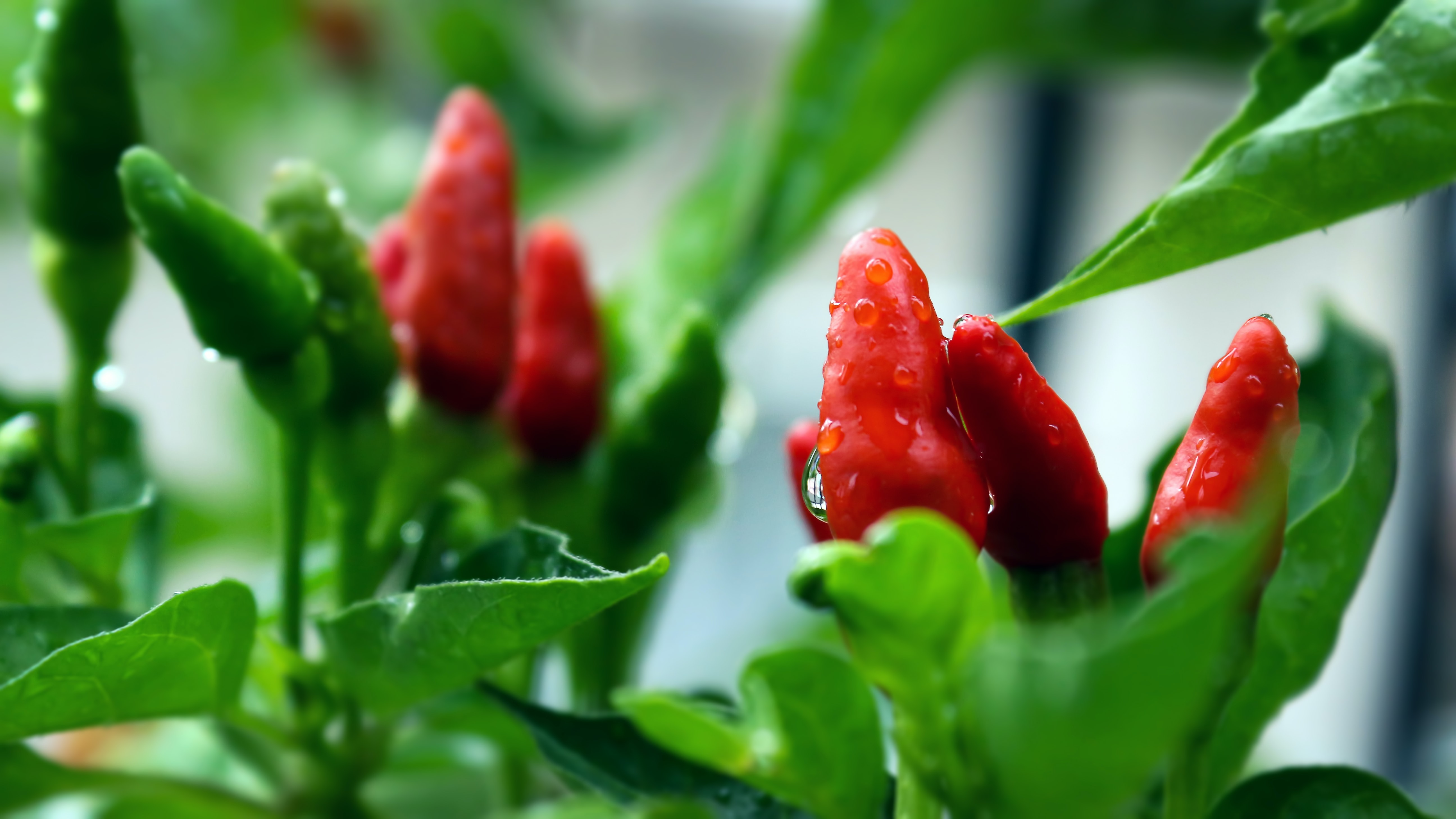
One of the key questions is simple but increasingly important: what makes a plant resilient to drought?
By examining these characteristics at the molecular level, researchers can identify knowledge and data that can then help breeders develop more drought-tolerant cultivars. This approach is particularly relevant as climate change places increasing pressure on agricultural production.
Rather than simply responding to drought after it happens, understanding the biological mechanisms behind resilience creates the possibility of developing crops that are better prepared for changing conditions.
That is where biotechnology can become a strategic tool for agriculture.
From a field in Plovdiv to an international research centre
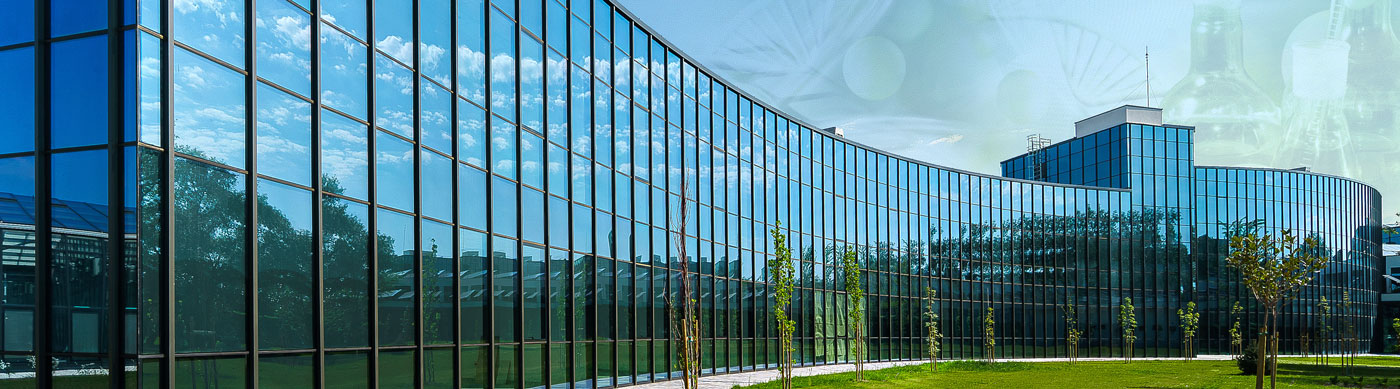
The story of CPSBB is also a story about building scientific capacity. The centre was established five years ago on what was initially little more than a field in the Trakia district of Plovdiv. Today, more than 50 people from around the world work there. Its laboratories include advanced scientific equipment, specialised mass spectrometers, high-tech microscopy systems, bioreactors and a three-dimensional human epidermis model used to test the activity of important organic compounds.
The centre has also developed compounds with potential applications in cosmetics and pharmaceuticals and holds a patent related to the production of some of these compounds. Further patenting is planned for another natural formula that has shown potential in model organisms for extending lifespan and optimal health.
Beyond the technology itself, the centre is also building people and knowledge. It trains PhD students in biotechnology and has attracted Bulgarian scientists who studied and worked abroad and returned to contribute to research at home.
The bigger opportunity
What makes this work particularly interesting is not one individual discovery.
It is the convergence of disciplines.
Agriculture is being asked to produce more resilient crops. Healthcare is looking for ways to support longer and healthier lives. Biotechnology is providing tools to understand the mechanisms connecting these challenges.
The same biological knowledge that helps us understand why a plant survives drought may ultimately contribute to how we understand resilience in other biological systems.
That does not mean that a "longevity pill" is already within reach. The research is still a journey, and many scientific and commercial challenges remain.
But the direction is clear.
The future of agriculture may not be defined only by what we grow, but by how deeply we understand the biology behind it. And the future of human health may increasingly depend on insights that begin far beyond the traditional boundaries of medicine.
At CPSBB, these two worlds are already being explored together.
The next years will bring challenges. But, as the researchers themselves put it, life itself is a challenge. And perhaps the most interesting innovations will come from those willing to explore where different challenges—and different disciplines—meet.
The role of Agriventures in supporting agrifood innovation
As the agritech startup ecosystem grows across Europe, initiatives such as Agriventures are helping connect entrepreneurs, researchers, investors, and policymakers working in agriculture and food innovation.
Agriventures focuses on supporting agrifood startups, biotechnology innovation, and access to European funding for agriculture, while also helping entrepreneurs navigate the complex landscape of startup financing, venture capital, and research commercialization.
By strengthening connections between startups, research institutions, investors, and farmers, Agriventures contributes to building a stronger agricultural innovation ecosystem that can accelerate the transition toward sustainable agriculture and resilient food systems.
Through knowledge sharing, events, and ecosystem building, Agriventures helps ensure that promising agritech innovations can scale and reach farmers, food producers, and global markets.
Checkout our guides for funding opportunities
Agriventures Connect 3.0 is coming on 20th of April 2027 in Sofia, Bulgaria
Tags
Related Articles
Continue reading our latest insights and updates from the AgriVentures ecosystem.

Biotechnology, Agri-Inputs and Biosecurity: Why the Future of Farming Needs a Wider Conversation in Sofia
Agriculture is undergoing a quiet transformation. Genomic tools, precision biological solutions, and new generations of crop protection and plant nutrition products are changing what is possible in the field and along the whole food chain. At the same time, the same advances raise questions that the sector is only beginning to ask. Who controls the genetic resources and seeds we depend on? How do we manage biosecurity when biological agents and genomic technologies can be used for more than...

Where Agrifood Biotech and Research Funding Is Actually Going in 2026
Basic research doesn't fund itself, and in agrifood, the gap between a promising lab result and a fundable project often comes down to knowing which of a dozen overlapping EU programmes to approach first. Food safety science, biotech platforms, and multi-country research consortia each follow their own funding logic, and 2026 has brought fresh calls across all three. Two Live Examples Worth Studying Safe-Agri, one of AgriVentures' active projects, is reinforcing the security assessment...

VerAgro launches a free self-assessment to help farms measure - and improve - their sustainability
"How sustainable is your farm?" It's a question most producers can answer instinctively, but rarely with hard numbers. A new Bulgarian startup wants to change that. VerAgro, a Bulgaria-based agtech startup, has launched a free online self-assessment that gives farms and processors a clear, structured picture of where they stand on sustainability — and what to do next. A 20-minute check-up for your farm The tool works like a health check-up for your operation. Farmers and processors answer 57...

A New Door Is Opening for Bulgarian Farmers and Agri-Innovators - And It's Fully Funded
For years, the biggest barrier between Bulgarian agriculture and Europe's most advanced farms hasn't been ambition. It's been access — to the right rooms, the right people, and the budget to get there. AgriVentures' new Missions program was built to remove exactly that barrier, and it does it in a way few programs in the region ever have: by covering the full cost of getting Bulgarian farmers, entrepreneurs, scientists, and companies in front of Europe's leading agri-food innovators. If you...

Inside projects.agriventures.co: Your Gateway to EU AgriFood Innovation
AgriVentures has launched projects.agriventures.co, a dedicated portal that brings the full portfolio of our EU-funded initiatives into one place. Where agriventures.co connects agrifood innovators with funding, the Projects site shows what happens next: the live programmes, Living Lab pilots, and network activity that funding makes possible. Here's what you'll find on the site — and how each part of our community can put it to work. A Live Portfolio of EU Projects The homepage opens with our...

Understanding Biomass Flows in Europe: A €6M Horizon Europe Call Agrifood Founders Shouldn't Miss
A question we've been getting a lot lately, including from our own LinkedIn community, is some version of: "Can my startup actually apply for this, and how?" This time it's about Understanding biomass flows in Europe (HORIZON-CL6-2026-01-CIRCBIO-05), a Horizon Europe call with a total budget of €6,000,000 that opened on 17 April 2026 and closes on 17 September 2026. It's exactly the kind of opportunity worth breaking down properly, because the honest answer is "yes, but not the way most...
Never Miss an Update
Join our community to receive the latest insights, funding opportunities, and industry news from AgriVentures.