Building the Future of Food: Insights from NextBite 2025

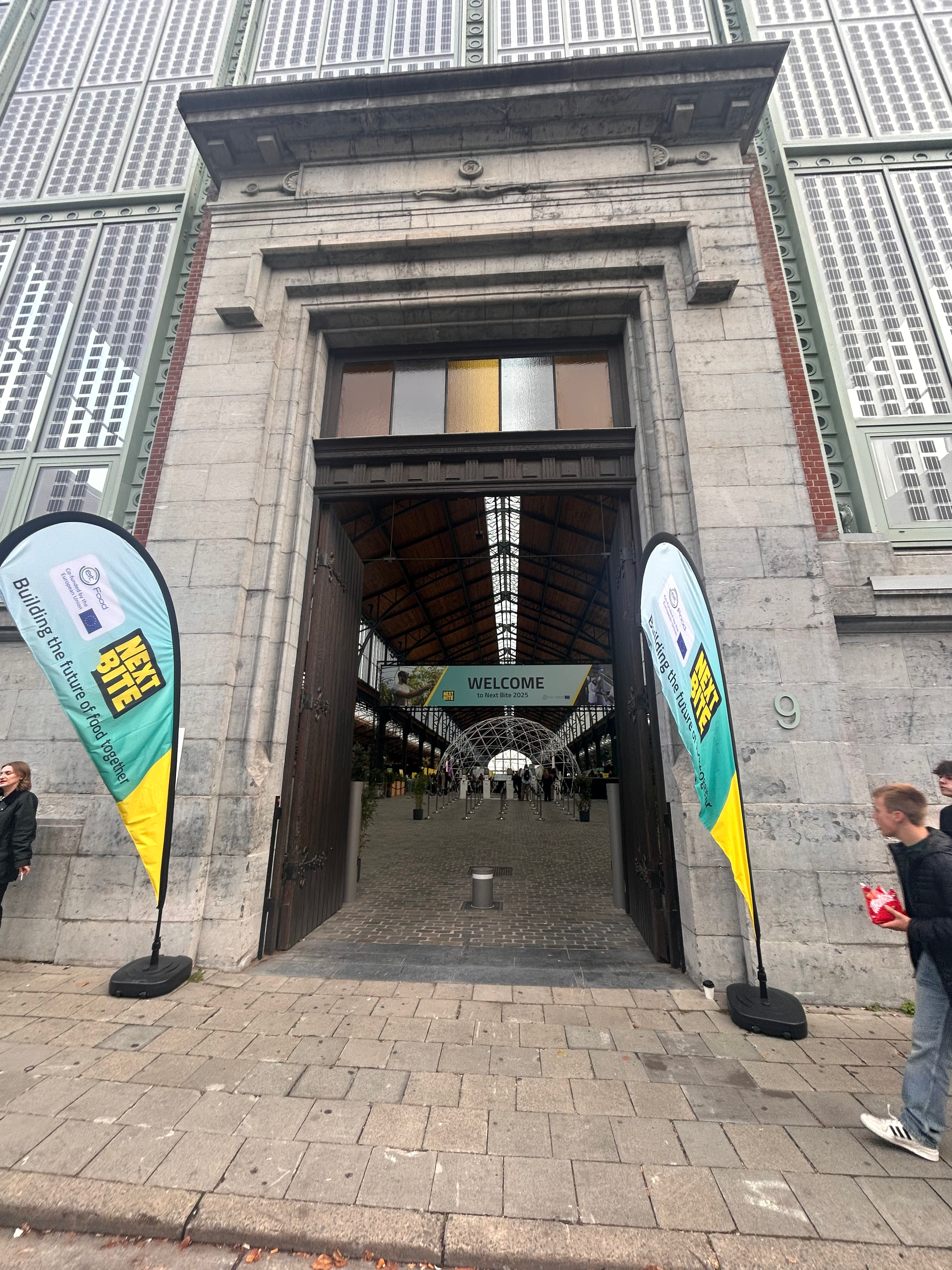
The future of food is not a distant vision — it is being shaped today, across Europe and beyond, through the work of innovators, policymakers, researchers, and farmers. At NextBite 2025, held on October 15–16, 2025, in Brussels, this collective effort was vividly on display. Organized by EIT Food, Europe’s leading innovation community in the agrifood sector, the event brought together hundreds of stakeholders committed to transforming our food system for a healthier, more sustainable, and resilient future.
Over two days, the conference explored seven thematic stages — Healthier Lives Through Food, Net Zero Food System, Food System Resilience, Agrifood TechVentures, Global Sessions, Pulse, and Workforce Futures — featuring dynamic discussions, startup showcases, and cross-sector collaborations.
From Grocery Lists to Global Goals
One of the most thought-provoking sessions, “The Informed Grocery List: Bridging Healthy Eating with Everyday Choices”, reminded participants that our shopping lists represent intentions, not outcomes. The conversation highlighted the gap between what we plan to eat and what we actually consume, influenced by promotions, stress, and social context. Healthy eating, it was emphasized, requires more than discipline — it demands long-term cultural change and early education.
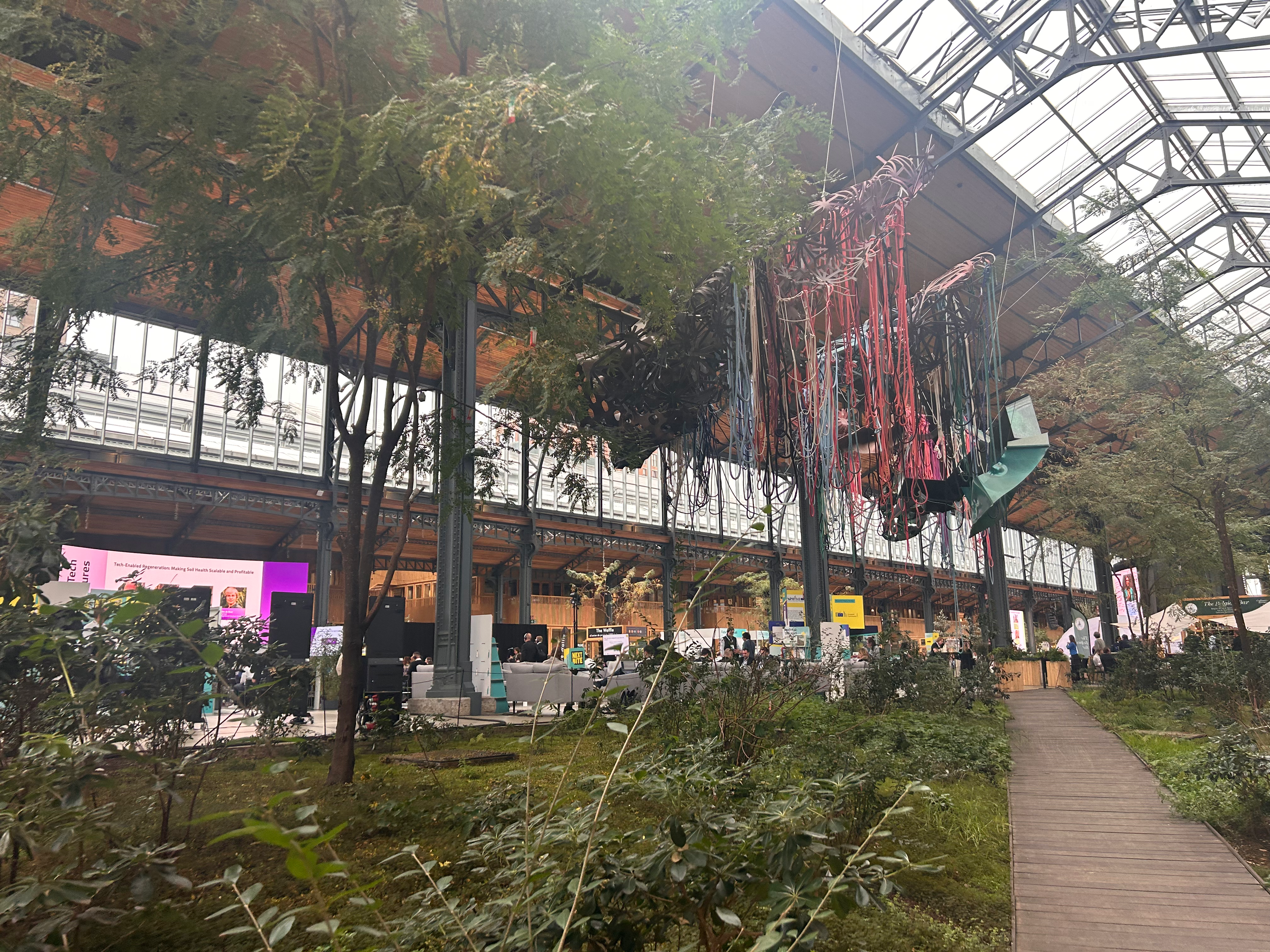
The Healthier Lives Through Food stage also hosted sessions such as “Next-Gen Proteins for Healthier, Sustainable Diets,” “Advancing Healthy Ageing,” and “Protein Diversification: Policy Signals Consumers Trust.” These discussions revealed the importance of combining nutritional science, behavioral insights, and sustainable production methods to foster diets that benefit both people and the planet.
Rethinking Investment and Innovation
A major topic at the Agrifood TechVentures stage — “Investing in AgrifoodTech: Has the VC Model Gone Bust?” — raised a pressing question for Europe’s innovation ecosystem. Many speakers, including venture partners and entrepreneurs, acknowledged that the traditional venture capital model struggles to meet the diverse needs of agrifood startups. Instead, they called for a smarter, more flexible funding landscape, combining the strengths of different investors and aligning financial support with measurable impact and scalability rather than hype.
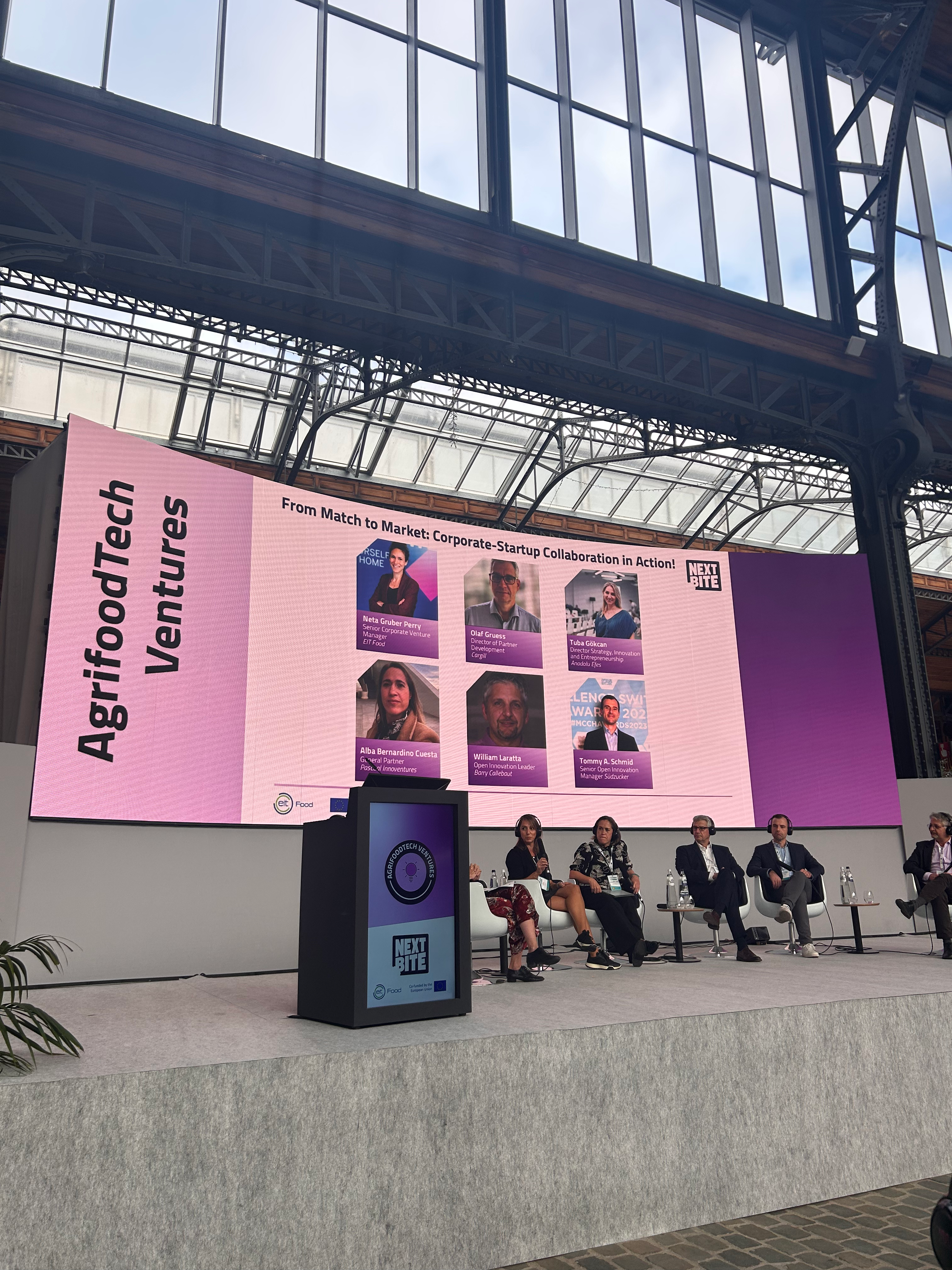
The “From Match to Market” session explored how corporates and startups can collaborate effectively. Panelists noted that successful partnerships depend on clear objectives, mutual trust, and realistic timelines. Medium-sized enterprises, it was suggested, may be the “missing link” — agile enough to innovate, yet robust enough to scale solutions across markets.
Agriventures at the NextBite Stage: Healthier Lives Through Food
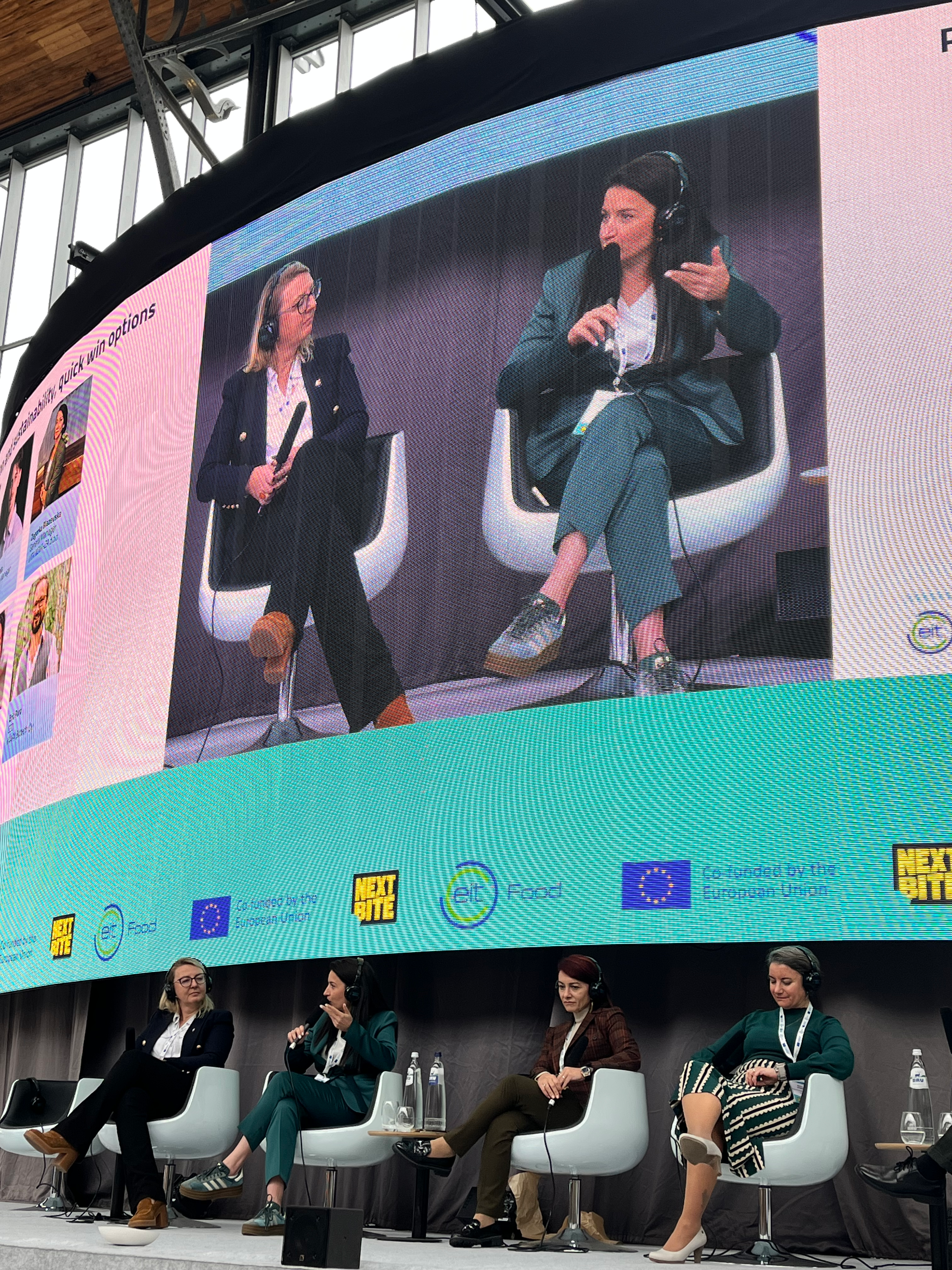
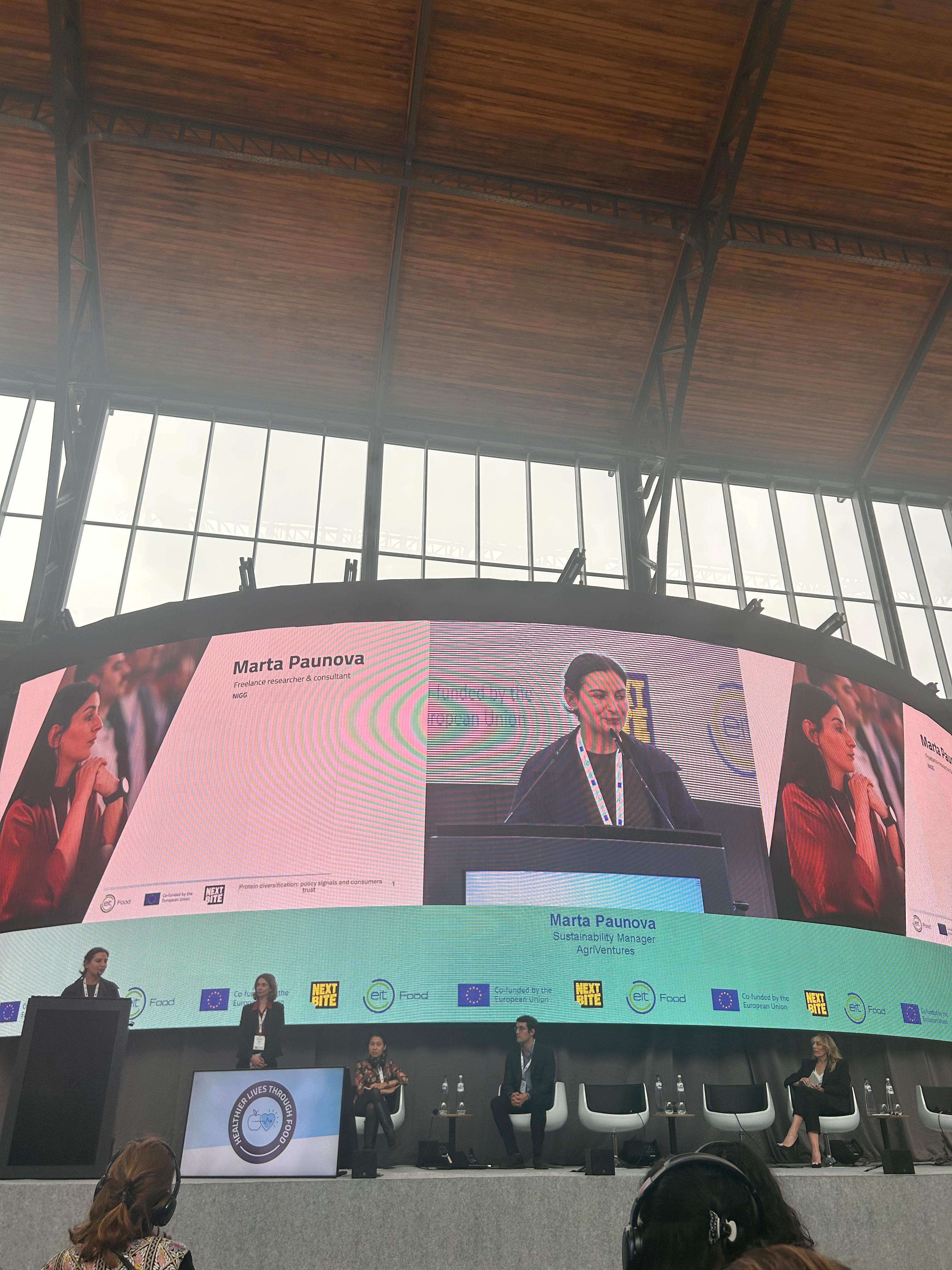
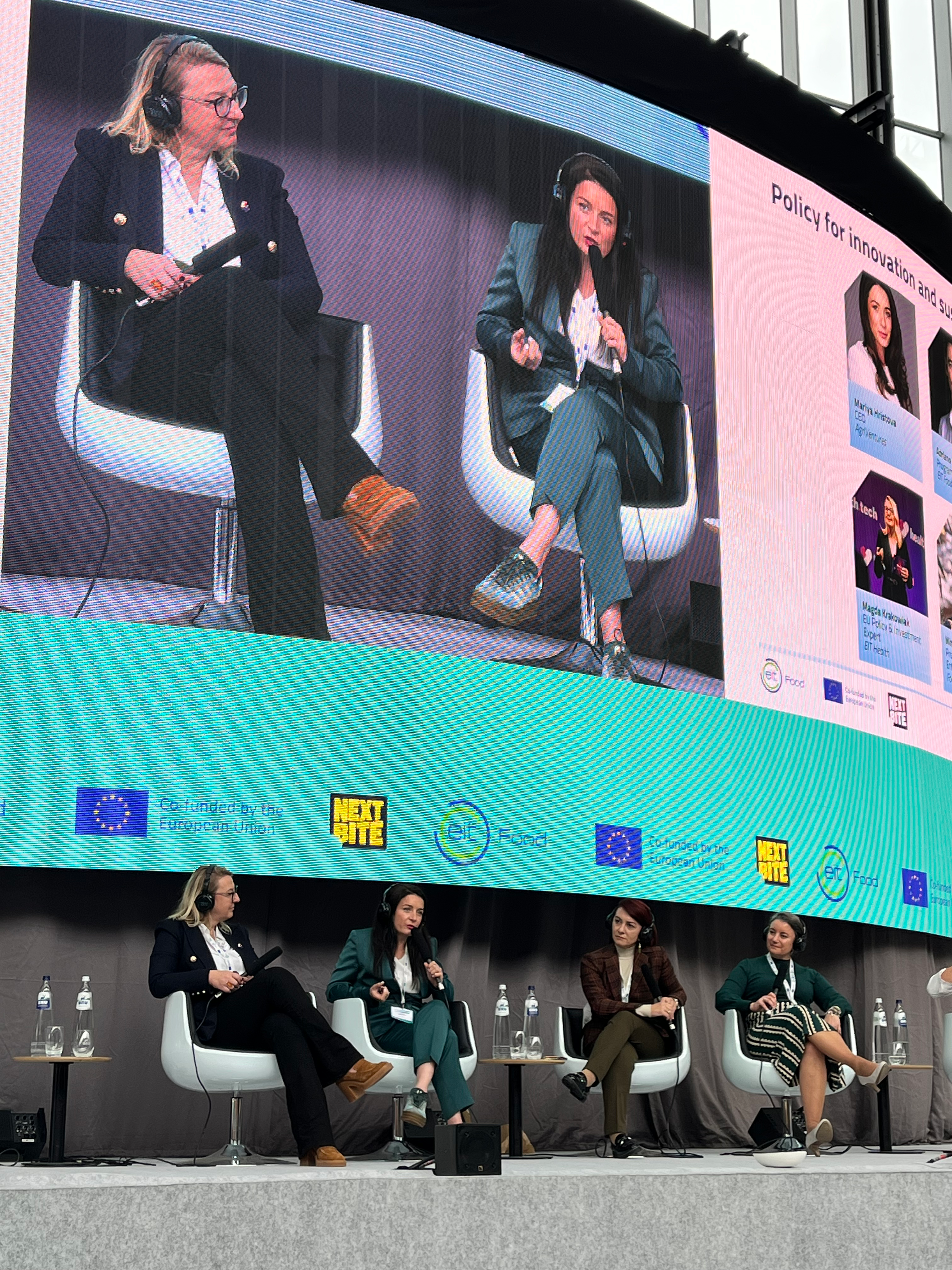
At NextBite 2025, Agriventures proudly took part in the panel discussion “Healthier Lives Through Food”, where I joined Eric Puro (CEO, KÄÄPÄ Biotech Oy), Dr. Zagorka Blaževska (Founder & CEO, VITA NOVA-ZA d.o.o.), and Magda Krakowiak (EU Policy & Investment Expert) in a conversation moderated by Adriano Pilla (Programme Manager, EIT Food).
The discussion explored how food innovation can directly enhance health outcomes, support sustainability, and strengthen consumer trust. We examined new business models, AI-driven personalization, and the vital role of cross-sector partnerships. The consensus was clear: to make healthy and sustainable food choices accessible to everyone, collaboration across science, policy, and entrepreneurship is essential.
From Regulation to Transformation
Throughout the event, speakers repeatedly returned to one theme — regulation as both a barrier and a potential driver of innovation. Currently, new technologies such as gene editing, biocontrol, and precision fermentation face approval processes that can take between five and ten years, differing from one member state to another. Instead of rewarding progress, the current system often rewards compliance.
The solution, many argued, lies in developing EU-level regulatory sandboxes, allowing innovators to safely test emerging technologies under real conditions. Europe must move toward a risk-based, outcome-oriented regulatory framework — one that enables responsible innovation while maintaining safety and transparency.
Funding and the Knowledge Triangle
Europe’s funding system for agrifood innovation also needs modernization. A significant gap exists between early research grants and the capital needed to scale viable technologies. Speakers called for the creation of fast-track micro-grants (€50,000–€250,000) for pilots and demonstration projects, alongside better coordination among major funding programs such as Horizon Europe, the Common Agricultural Policy, and Cohesion Funds.
The concept of the knowledge triangle — linking researchers, startups, and farmers — was emphasized as a cornerstone of Europe’s innovation strategy. Currently, much of the research output remains locked within academic institutions, inaccessible to those who could apply it. The solution lies in living labs, open data platforms, and multi-actor projects where farmers and entrepreneurs co-create solutions with scientific support.
Programme Highlights: Connecting Ideas and People
NextBite 2025 offered a rich and diverse program across multiple thematic stages:
Healthier Lives Through Food Stage: From “Next-Gen Proteins for Healthier, Sustainable Diets” to “The Informed Grocery List” and “Policy for Innovation and Sustainability.”
Net Zero Food System Stage: Focused on water circularity, regenerative finance, One Health approaches, and retail’s role in sustainability.
Food System Resilience Stage: Addressed packaging reuse, biotechnological solutions for farmers, and food security through resilient supply chains.
Agrifood TechVentures Stage: Explored corporate-startup collaboration, circularity in packaging, regenerative soil health, and included the Startup Pitch Carousel and Corporate Venturing Awards.
Global Sessions: Spotlighted Southeast Asia’s food frontier, ASEAN partnerships, and cross-continental innovation.
Pulse Stage: Highlighted youth entrepreneurship, generational renewal, and innovation with social impact.
Workforce Futures Stage: Examined the future skills needed for Europe’s food workforce and the role of biotechnology and digital transformation in education.
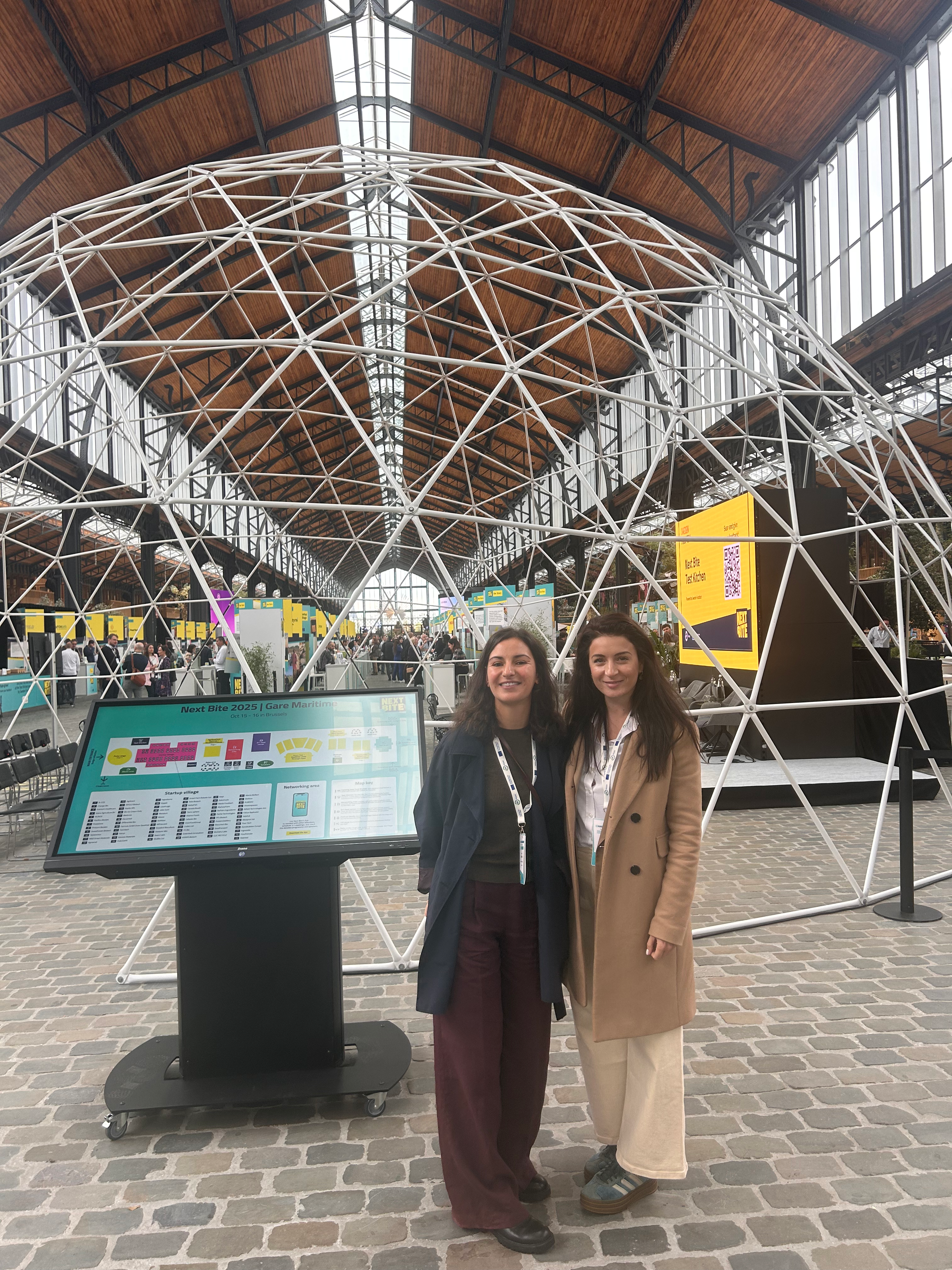
The NextBite Test Kitchen, powered by Sweden Foodtech, provided a creative environment for tasting and testing new ideas in food innovation, showcasing experimental ingredients, sustainable proteins, and next-gen culinary solutions.
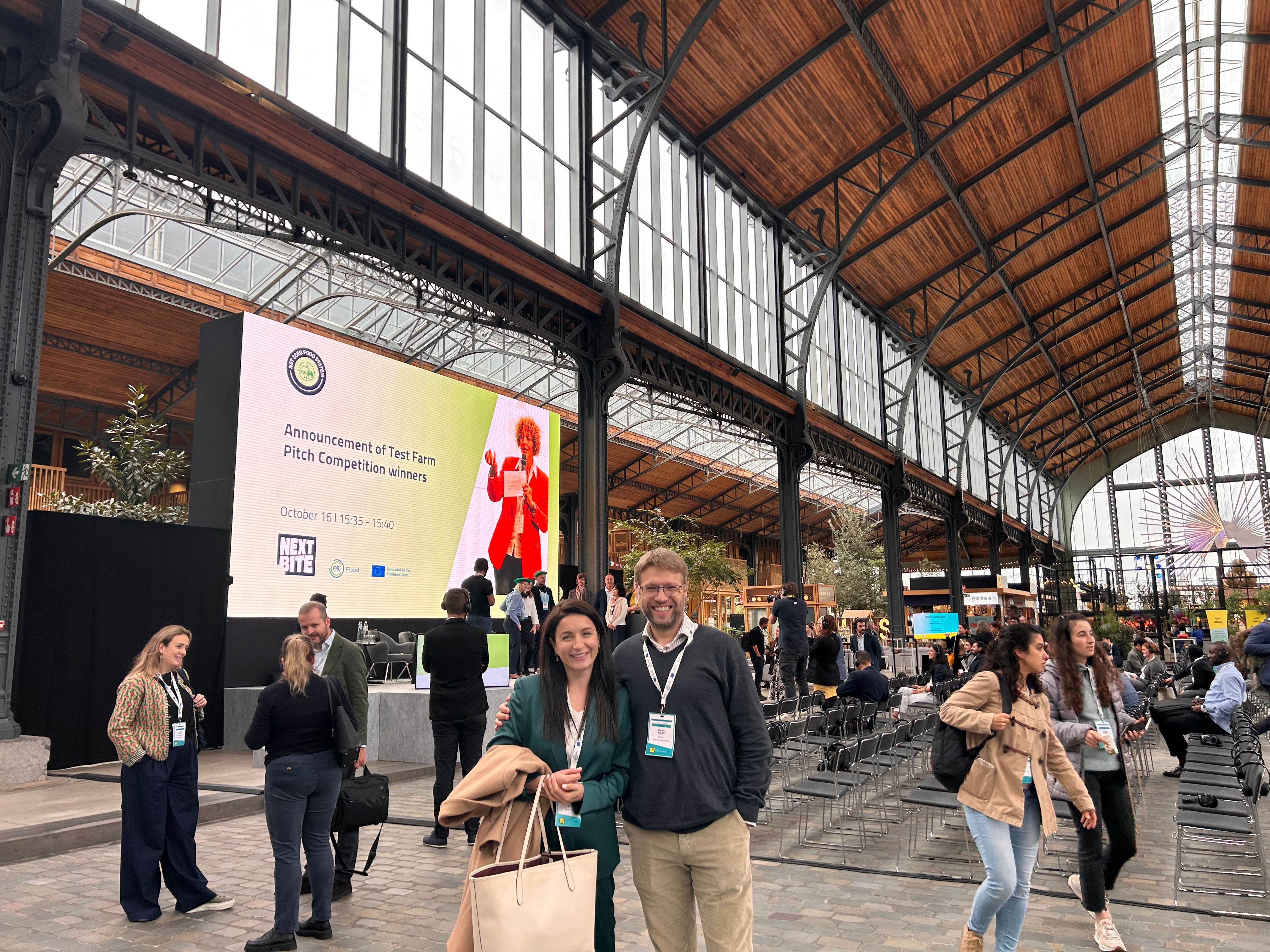
Leadership and Vision: Key Speakers
The plenary sessions featured Europe’s top agrifood innovation leaders:
Richard Zaltzman, Chief Executive of EIT Food, opened the event, emphasizing the community’s role in driving systemic change through entrepreneurship and collaboration.
Gijs Schilthuis, Director for Sustainability (DG AGRI, European Commission), spoke about the future of the Common Agricultural Policy and the importance of embedding sustainability across all pillars.
Michiel Scheffer, President of the European Innovation Council (EIC) Board, reflected on innovation finance and the need for deeper integration between research, industry, and venture investment.
Alessandra Zampieri, Director for Sustainable Resources at the Joint Research Centre, presented how scientific evidence supports policymaking in food systems.
Christian Holzleitner, Head of Unit at DG Climate, delivered a keynote on the intersection of agrifood and climate neutrality.
Dr. Maarten van der Kamp, Director of Education at EIT Food, officially launched the Future Farm Lab, a major initiative aimed at bringing regenerative agriculture to life through practical, evidence-based learning.
The event closed with Stefan Dobrev, Chairman of the Governing Board of EIT, together with Viktoria de Bourbon de Parme (Chief Partnership Officer, EIT Food) and Jessica Sansom (Chief Impact Officer, EIT Food), who emphasized collaboration and impact as the guiding principles of EIT Food’s mission.
Voices of Innovation: Featured Experts
NextBite 2025 brought together more than 150 speakers and panelists from across academia, business, policy, and civil society, including:Jack Bobo (UCLA Rothman Family Institute for Food Studies), Kerstin Rosenow (DG AGRI), Olga Dubey (AgroSustain), Alessandra Zampieri (JRC), Damien Jourdan (Danone), Katherine Foster (EIT Food), Anni Savikurki (Finnish Ministry of Agriculture and Forestry), Kim de Boer (Brightlands Venture Partners), Niklas Wallsargård (Improvin’), Angela de Manzanos (FA Bio), Sara De Pelsmaeker (Puratos), Marcela Flores (TierraSphere), Francois Thierart (MyEasyFarm), Ana Martin (InterMalta), and many others.
Their insights reflected the diversity of the European agrifood ecosystem — from regenerative agriculture and biotechnology to protein diversification and sustainable packaging.
From Policy to Practice
Speakers across the sessions emphasized that Europe’s innovation policy must balance short-term needs with long-term transformation. Farmers require practical tools for the next planting season, but deep tech investment — in breeding, soil biology, and biomanufacturing — is essential for the decades ahead.
The conference also underscored the importance of public procurement as a catalyst for change. By acting as early adopters of sustainable solutions, governments can accelerate innovation instead of waiting for markets to evolve.
The Way Forward
If there is one overarching message from NextBite 2025, it is that collaboration is no longer optional — it is essential.
For policymakers, this means designing regulation and funding based on outcomes, not compliance.For innovators, it means focusing on tangible value for farmers and consumers.For researchers, it means leaving the lab and engaging in real-world testing and co-creation.And for farmers, it means becoming active partners in innovation, managing their data, and shaping the technologies that will define their future.
NextBite 2025 was more than a conference — it was a blueprint for Europe’s next food revolution. It showcased that the transformation of our food system requires not just new technologies but new mindsets, trust, and cooperation across borders and disciplines.
Agriventures is proud to have contributed to this conversation and remains committed to empowering innovators, startups, and farmers in Bulgaria and across Europe to bring research-driven, sustainable, and scalable solutions to life.
Published by Agriventures — supporting innovation and entrepreneurship in the agrifood and biotechnology sectors across Bulgaria and Europe.Author: Mariya Hristova, with the particiaption of Marta Paunova Agriventures www.agriventures.co
Tags
Related Articles
Continue reading our latest insights and updates from the AgriVentures ecosystem.

Biotechnology, Agri-Inputs and Biosecurity: Why the Future of Farming Needs a Wider Conversation in Sofia
Agriculture is undergoing a quiet transformation. Genomic tools, precision biological solutions, and new generations of crop protection and plant nutrition products are changing what is possible in the field and along the whole food chain. At the same time, the same advances raise questions that the sector is only beginning to ask. Who controls the genetic resources and seeds we depend on? How do we manage biosecurity when biological agents and genomic technologies can be used for more than...

Where Agrifood Biotech and Research Funding Is Actually Going in 2026
Basic research doesn't fund itself, and in agrifood, the gap between a promising lab result and a fundable project often comes down to knowing which of a dozen overlapping EU programmes to approach first. Food safety science, biotech platforms, and multi-country research consortia each follow their own funding logic, and 2026 has brought fresh calls across all three. Two Live Examples Worth Studying Safe-Agri, one of AgriVentures' active projects, is reinforcing the security assessment...

VerAgro launches a free self-assessment to help farms measure - and improve - their sustainability
"How sustainable is your farm?" It's a question most producers can answer instinctively, but rarely with hard numbers. A new Bulgarian startup wants to change that. VerAgro, a Bulgaria-based agtech startup, has launched a free online self-assessment that gives farms and processors a clear, structured picture of where they stand on sustainability — and what to do next. A 20-minute check-up for your farm The tool works like a health check-up for your operation. Farmers and processors answer 57...

A New Door Is Opening for Bulgarian Farmers and Agri-Innovators - And It's Fully Funded
For years, the biggest barrier between Bulgarian agriculture and Europe's most advanced farms hasn't been ambition. It's been access — to the right rooms, the right people, and the budget to get there. AgriVentures' new Missions program was built to remove exactly that barrier, and it does it in a way few programs in the region ever have: by covering the full cost of getting Bulgarian farmers, entrepreneurs, scientists, and companies in front of Europe's leading agri-food innovators. If you...

Inside projects.agriventures.co: Your Gateway to EU AgriFood Innovation
AgriVentures has launched projects.agriventures.co, a dedicated portal that brings the full portfolio of our EU-funded initiatives into one place. Where agriventures.co connects agrifood innovators with funding, the Projects site shows what happens next: the live programmes, Living Lab pilots, and network activity that funding makes possible. Here's what you'll find on the site — and how each part of our community can put it to work. A Live Portfolio of EU Projects The homepage opens with our...

Understanding Biomass Flows in Europe: A €6M Horizon Europe Call Agrifood Founders Shouldn't Miss
A question we've been getting a lot lately, including from our own LinkedIn community, is some version of: "Can my startup actually apply for this, and how?" This time it's about Understanding biomass flows in Europe (HORIZON-CL6-2026-01-CIRCBIO-05), a Horizon Europe call with a total budget of €6,000,000 that opened on 17 April 2026 and closes on 17 September 2026. It's exactly the kind of opportunity worth breaking down properly, because the honest answer is "yes, but not the way most...
Never Miss an Update
Join our community to receive the latest insights, funding opportunities, and industry news from AgriVentures.