CBAM Enters Its Operational Phase: What Changes, Who Pays, and Why Agriculture Should Care

CBAM Enters Its Operational Phase: What Changes, Who Pays, and Why Agriculture Should Care
Europe’s Carbon Border Adjustment Mechanism (CBAM) is not a symbolic climate policy. It is a trade instrument designed to change relative prices at the EU border—systematically and for the long term—by attaching a carbon cost to imports of emissions-intensive goods. As the implementation process moves from policy design into day-to-day practice, companies selling steel, cement, fertilizers and other high-carbon products into the EU face a new reality: they must demonstrate the carbon footprint of what they import and align with EU carbon costs, or face penalties and friction at the border.
What makes this moment particularly sensitive is the combination of high impact and incomplete operational clarity. Even as the mechanism starts to bite, businesses still report uncertainty on key parameters such as methodologies, default values, verification rules, and the practical mechanics of enforcement. That gap between obligation and clarity is what experts warn could drive confusion in the early stages, raising administrative costs and increasing the risk of supply-chain disruption.
Why CBAM exists: stopping carbon leakage through trade rules
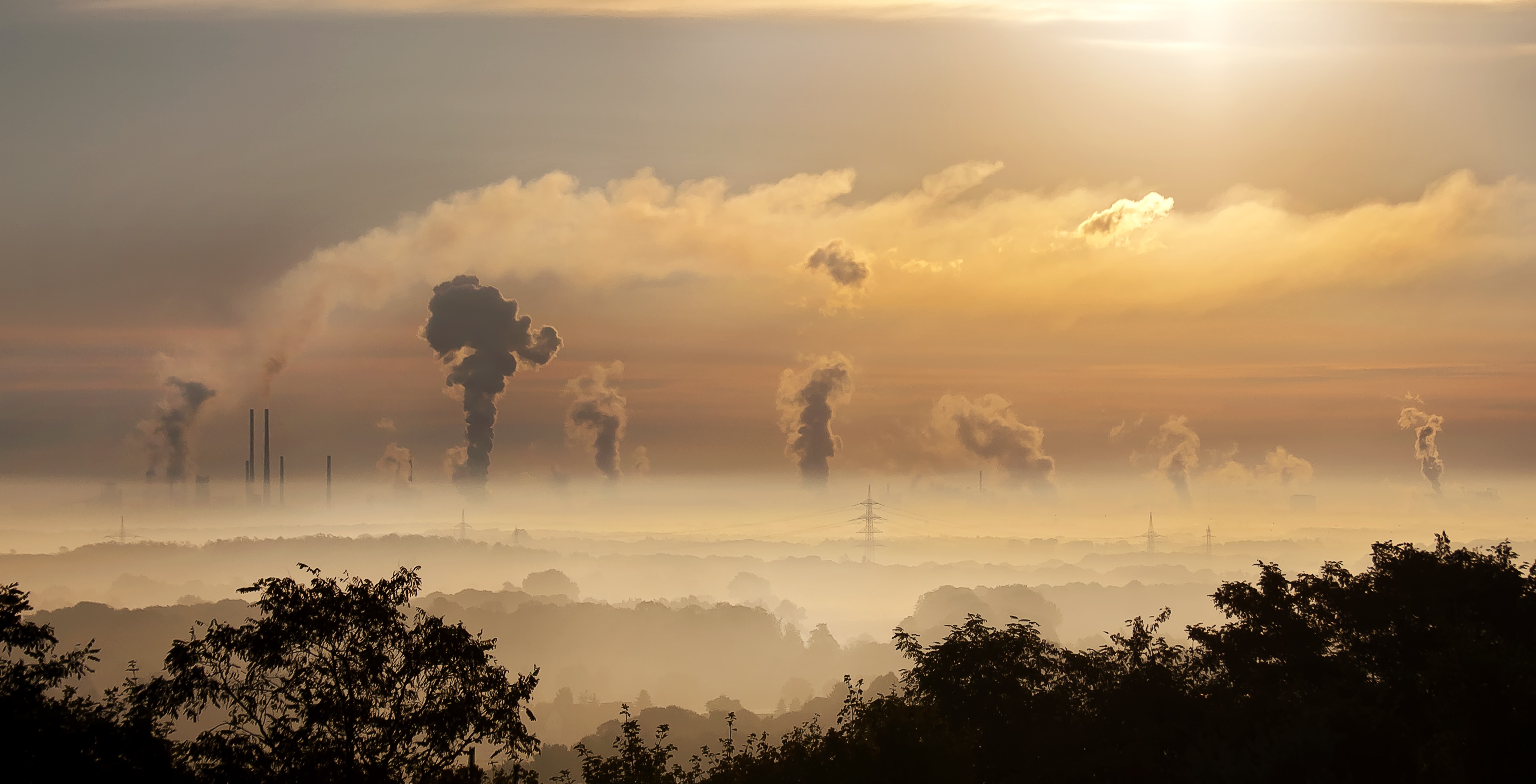
CBAM is the EU’s answer to a structural weakness in climate policy: carbon leakage. When one region tightens climate rules and raises the cost of production, companies can respond by shifting production—and therefore emissions—to jurisdictions with weaker standards. This can undermine both political support for decarbonisation and the environmental outcome, because global emissions do not necessarily fall; they simply relocate.
CBAM is built to block that “competitiveness channel” of leakage.
By applying a carbon cost to imports that mirrors the carbon constraints faced by EU producers, the EU aims to prevent foreign producers operating under laxer standards from undercutting EU industry. The European Commission’s executive vice-president for prosperity and industrial strategy, Stéphane Séjourné, frames CBAM in precisely those terms: a necessary measure to secure a level playing field and support industrial decarbonisation while maintaining competitiveness in global markets.
How the mechanism works: certificates linked to embedded emissions
At its core, CBAM requires importers of certain goods to quantify and declare the greenhouse gas emissions embedded in those imports—the emissions generated during production. Importers then purchase CBAM certificates to cover those emissions, aligning the effective carbon cost of imports with the EU’s internal carbon pricing logic. In practical terms, CBAM translates emissions intensity into a financial liability at the border.
This is why many commentators refer to CBAM as a “green tariff,” even though its formal design is tied to the EU’s climate policy architecture rather than being a conventional tariff.
The policy intent is straightforward: if a competitor’s cost advantage comes from producing in a high-carbon way that would be more expensive under EU rules, CBAM reduces or removes that advantage. The broader objective is not only to protect EU producers, but to keep decarbonisation incentives intact—so that firms investing in lower-carbon production are not punished in the market by cheaper, higher-carbon imports.
What is covered first: the foundation sectors of the economy
CBAM begins with sectors that are both emissions-intensive and foundational to industrial value chains. The initial scope covers iron and steel, aluminium, cement, hydrogen, electricity and fertilisers. These categories matter because they sit at the base of the economy: they are upstream inputs that feed into construction, manufacturing, energy systems and, critically, agriculture.
This selection is deliberate.
These are sectors where emissions are large, leakage risks are plausible, and measurement—while still demanding—is more feasible than it would be for many downstream products. They are also sectors where price differences driven by carbon costs can be material enough to change trade flows.
The geopolitical and market dimension: trade diversion and “dumping” risk
CBAM also reshapes incentives beyond the EU border. If high-carbon goods lose competitiveness in the EU due to CBAM costs, those goods may be redirected to other markets. The concern raised in your materials is that if certain exporters lose EU market share, the result could be a glut of carbon-intensive products sold elsewhere at lower prices.
This is not a side issue: CBAM can change global trade patterns, and those shifts can create second-order effects in neighbouring or competing markets, including pressure on domestic producers and volatility in commodity pricing.
Prices and pass-through: why “mild impact” can still be disruptive
Industry concerns often focus on whether CBAM will raise prices. Some EU-side stakeholders have warned of higher costs, particularly as certain forms of internal support evolve and more emissions costs are borne explicitly through carbon pricing. At the same time, analysts quoted in the text suggest the initial macroeconomic impact may be muted because early-phase coverage is limited and the volume of emissions directly priced through CBAM is relatively small compared with the entire economy.
Both can be true. Even modest cost increases can be significant in commodity sectors with thin margins. More importantly, the near-term burden is not only the certificate cost; it is the compliance system itself. Administrative requirements, verification processes, and the risk of conservative default assumptions when data is missing can all raise effective costs and create operational delays. For many companies, uncertainty and transaction costs can be as disruptive as the carbon price signal.
Why agriculture should care now: fertilisers as the transmission belt
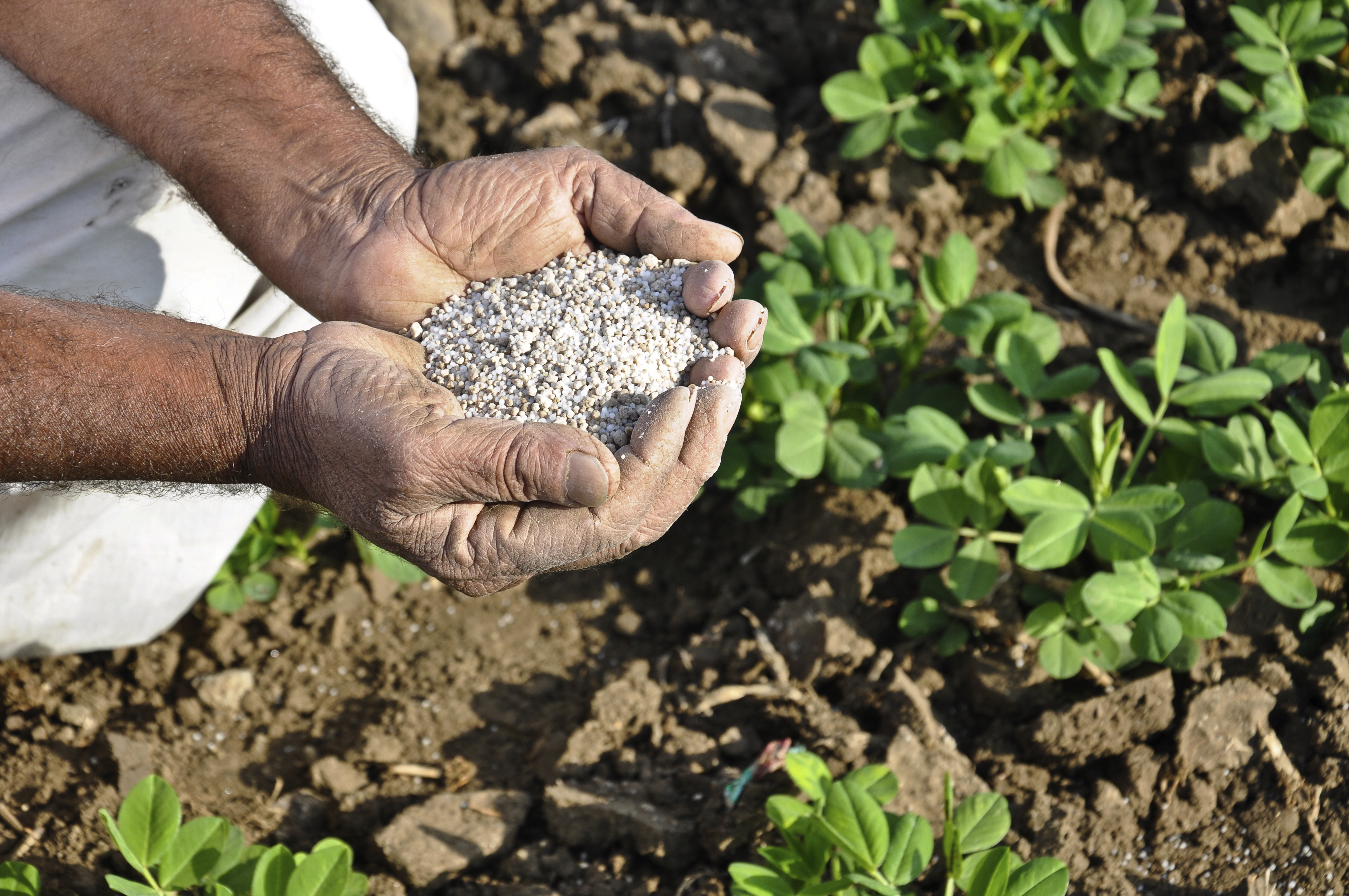
For agriculture, the immediate relevance is direct: fertilisers are within the initial CBAM scope.
Fertilizer production—especially nitrogen fertilizers—can be emissions-intensive, which makes CBAM a potential driver of input cost increases and volatility. Because fertilizer costs are a large component of себестойността for many crop systems, even incremental shifts in price or availability can materially affect farm economics, particularly for export-oriented producers operating with tight margins.
The connection, however, is broader than fertilizers alone. CBAM also covers electricity and industrial materials that influence the cost of agricultural infrastructure and processing—storage, construction materials, machinery-related inputs, and energy-dependent operations.
When upstream industrial costs rise or become more volatile, the pressure often moves down the value chain and is ultimately reflected in input prices for farmers and processors.
The longer horizon: what CBAM implies for food systems and future policy
Food systems are responsible for roughly a third of global greenhouse gas emissions, and studies suggest carbon leakage risks in agriculture can be substantial—potentially comparable to, or even larger than, some energy-intensive sectors. That matters because it suggests that the logic of CBAM could eventually expand toward agricultural products or agricultural emissions more directly. Yet the same materials explain why an “Ag-CBAM” is much harder than CBAM for steel.
Agricultural emissions are diffuse and highly variable by soil, climate and management; large shares of emissions are biologically driven (methane, nitrous oxide) and difficult to measure precisely; and major portions of the footprint can occur off-farm (fertilizer production, processing, land-use change).
These technical challenges intersect with legal constraints around trade non-discrimination and equity concerns for less-developed exporters. In other words, extending CBAM logic into agriculture is conceptually attractive for leakage prevention, but operationally complex and politically fraught.
CBAM is a trade rule that rewrites cost structures
CBAM should be understood as a structural correction to the economics of decarbonisation. It is designed to prevent the EU’s climate ambition from becoming an offshoring incentive by making carbon intensity a border cost. It starts with core industrial inputs—steel, cement, electricity, hydrogen, aluminium and fertilisers—because that is where leakage risks are credible and where the carbon cost signal can reshape incentives across entire value chains.
For agriculture, the mechanism’s most immediate effect is not a border tax on grain exports, but the pressure it places on input economics, especially fertilizers, alongside the administrative uncertainty that complicates pricing and contracting.
If the EU wants CBAM to function as a true transition instrument rather than a competitiveness shock, the operational priority is straightforward: transparent methodologies, publishable numbers, workable certification systems, and a credible pathway for reinvesting CBAM revenues into real decarbonisation investments that preserve competitiveness along the entire chain—from industrial producers to the farmers who ultimately bear the input costs.

What CBAM Means for Startups and Innovation-Driven Companies
The introduction of the Carbon Border Adjustment Mechanism (CBAM) marks a structural shift in how carbon performance is priced in European markets, with direct implications for startups and scale-ups operating in emissions-intensive value chains. For early-stage companies, CBAM functions not only as a regulatory constraint but also as a market signal: carbon intensity is becoming a tradable cost factor, and low-emission production pathways are gaining explicit economic value at the border.
For industrial and agri-food startups, particularly those active in fertilizers, alternative inputs, clean energy, materials, and process optimization, CBAM reshapes competitive dynamics.
Startups with inherently low-carbon technologies—such as green hydrogen, low-emission fertilizers, bio-based inputs, precision agriculture, and carbon monitoring solutions—may find improved market access and stronger demand from EU-based buyers seeking to reduce CBAM exposure in their supply chains. In this sense, CBAM accelerates the monetization of decarbonisation by turning emissions data, traceability, and verified reductions into strategic assets.
At the same time, CBAM raises entry barriers for startups dependent on imported high-carbon inputs or lacking the capacity to produce robust emissions documentation. Compliance costs, data verification requirements, and uncertainty around default emission values can disproportionately affect smaller firms with limited administrative resources. Without clear rules and accessible verification pathways, CBAM risks favouring larger incumbents that can absorb regulatory complexity, potentially slowing innovation diffusion rather than accelerating it.
For startups, the strategic implication is clear: carbon performance, data credibility, and regulatory readiness are no longer peripheral concerns but core elements of product design, pricing, and go-to-market strategy. Those that integrate emissions accounting, supply-chain transparency, and compliance readiness early are better positioned to convert CBAM from a regulatory risk into a competitive advantage. In this way, CBAM does not merely regulate trade; it actively shapes the innovation landscape by rewarding technologies and business models aligned with a low-carbon industrial future.
Mariya Hristova, Environment editor, subscribe at https://agriventures.co/newsletter
Thu 12 Jan 2026
Tags
Related Articles
Continue reading our latest insights and updates from the AgriVentures ecosystem.

Biotechnology, Agri-Inputs and Biosecurity: Why the Future of Farming Needs a Wider Conversation in Sofia
Agriculture is undergoing a quiet transformation. Genomic tools, precision biological solutions, and new generations of crop protection and plant nutrition products are changing what is possible in the field and along the whole food chain. At the same time, the same advances raise questions that the sector is only beginning to ask. Who controls the genetic resources and seeds we depend on? How do we manage biosecurity when biological agents and genomic technologies can be used for more than...

Where Agrifood Biotech and Research Funding Is Actually Going in 2026
Basic research doesn't fund itself, and in agrifood, the gap between a promising lab result and a fundable project often comes down to knowing which of a dozen overlapping EU programmes to approach first. Food safety science, biotech platforms, and multi-country research consortia each follow their own funding logic, and 2026 has brought fresh calls across all three. Two Live Examples Worth Studying Safe-Agri, one of AgriVentures' active projects, is reinforcing the security assessment...

VerAgro launches a free self-assessment to help farms measure - and improve - their sustainability
"How sustainable is your farm?" It's a question most producers can answer instinctively, but rarely with hard numbers. A new Bulgarian startup wants to change that. VerAgro, a Bulgaria-based agtech startup, has launched a free online self-assessment that gives farms and processors a clear, structured picture of where they stand on sustainability — and what to do next. A 20-minute check-up for your farm The tool works like a health check-up for your operation. Farmers and processors answer 57...

A New Door Is Opening for Bulgarian Farmers and Agri-Innovators - And It's Fully Funded
For years, the biggest barrier between Bulgarian agriculture and Europe's most advanced farms hasn't been ambition. It's been access — to the right rooms, the right people, and the budget to get there. AgriVentures' new Missions program was built to remove exactly that barrier, and it does it in a way few programs in the region ever have: by covering the full cost of getting Bulgarian farmers, entrepreneurs, scientists, and companies in front of Europe's leading agri-food innovators. If you...

Inside projects.agriventures.co: Your Gateway to EU AgriFood Innovation
AgriVentures has launched projects.agriventures.co, a dedicated portal that brings the full portfolio of our EU-funded initiatives into one place. Where agriventures.co connects agrifood innovators with funding, the Projects site shows what happens next: the live programmes, Living Lab pilots, and network activity that funding makes possible. Here's what you'll find on the site — and how each part of our community can put it to work. A Live Portfolio of EU Projects The homepage opens with our...

Understanding Biomass Flows in Europe: A €6M Horizon Europe Call Agrifood Founders Shouldn't Miss
A question we've been getting a lot lately, including from our own LinkedIn community, is some version of: "Can my startup actually apply for this, and how?" This time it's about Understanding biomass flows in Europe (HORIZON-CL6-2026-01-CIRCBIO-05), a Horizon Europe call with a total budget of €6,000,000 that opened on 17 April 2026 and closes on 17 September 2026. It's exactly the kind of opportunity worth breaking down properly, because the honest answer is "yes, but not the way most...
Never Miss an Update
Join our community to receive the latest insights, funding opportunities, and industry news from AgriVentures.