From Data to Impact: Innovation and Digitalisation Reshaping European Agriculture

At Green Transition Forum 6.0 in Sofia, four leading agrifood innovators tackled the hard questions about AI, biotechnology, EU funding gaps, and what it really takes to scale technology from lab to farm.
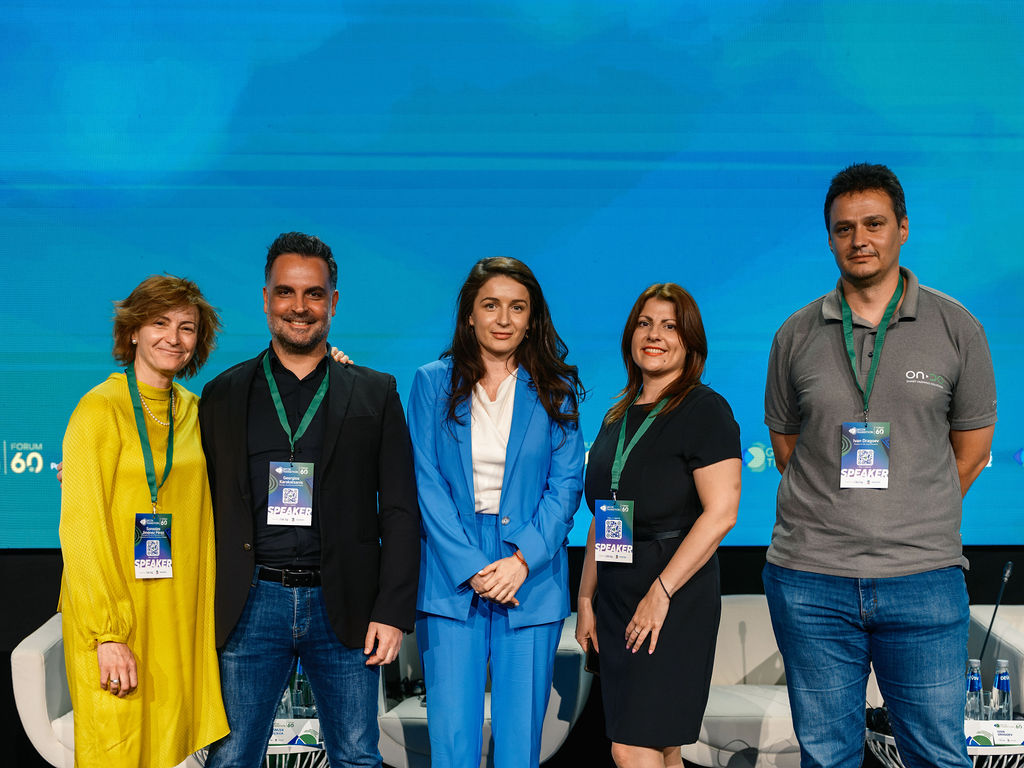
European agriculture is under pressure from every direction — rising input costs, climate instability, tightening sustainability regulations, and a funding landscape that doesn't always match the pace of innovation. On June 4, 2026, at the main stage of Green Transition Forum 6.0 in Sofia, four practitioners sat down to discuss what's actually working, what isn't, and where the next five years will be decided.
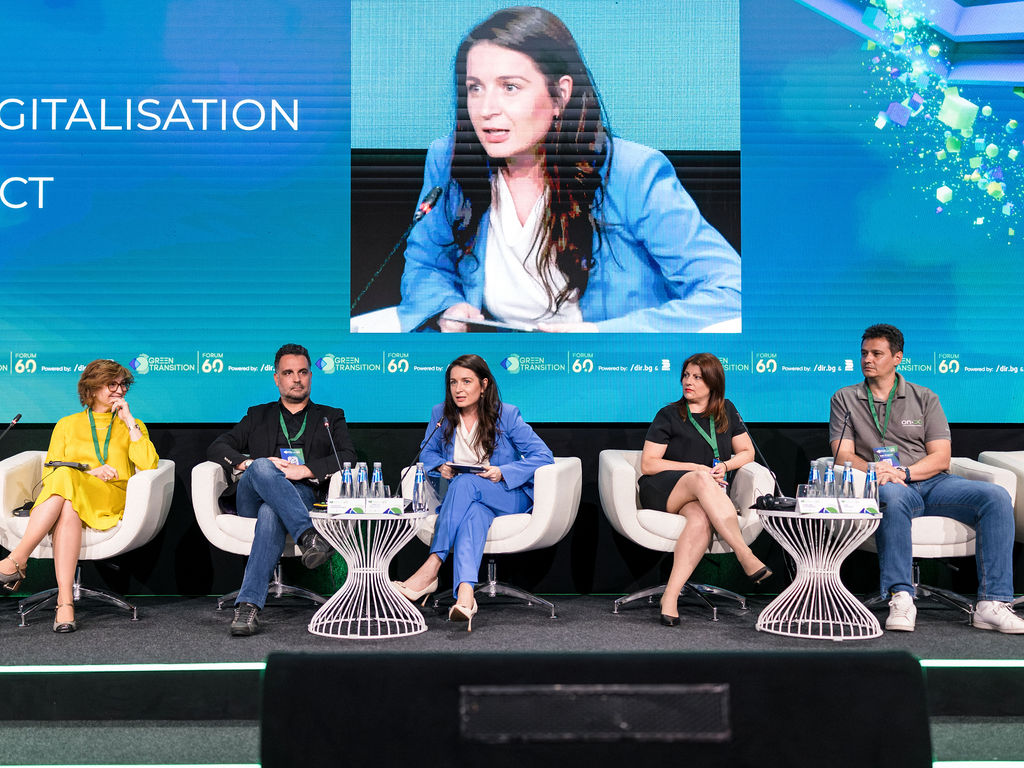
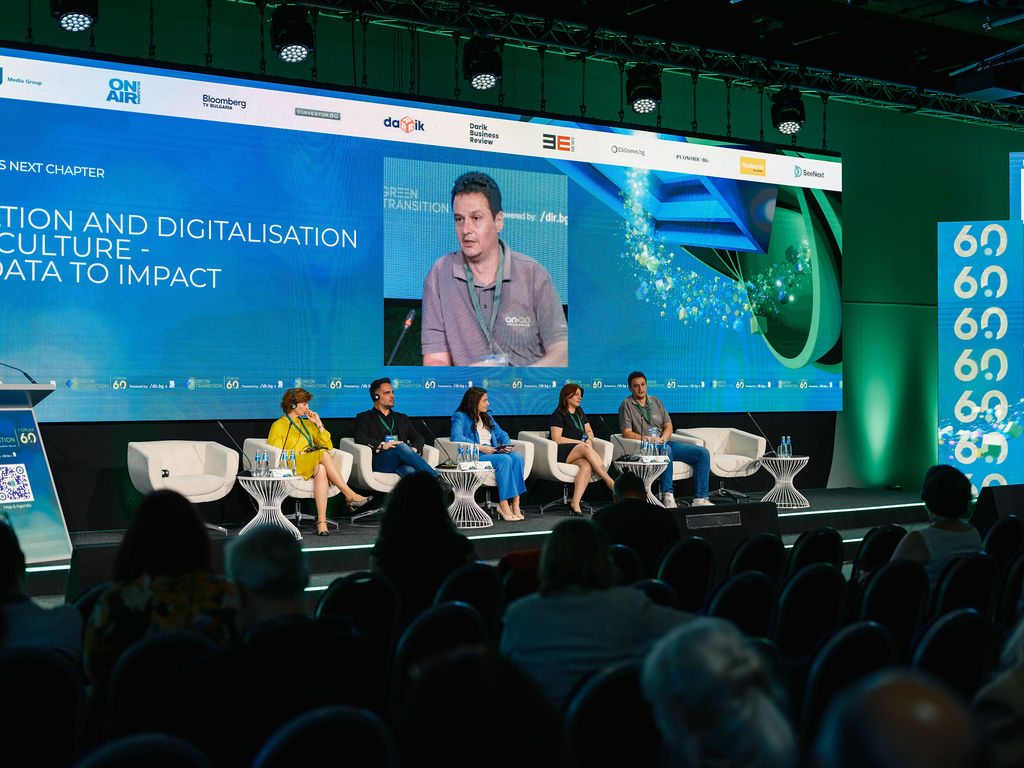
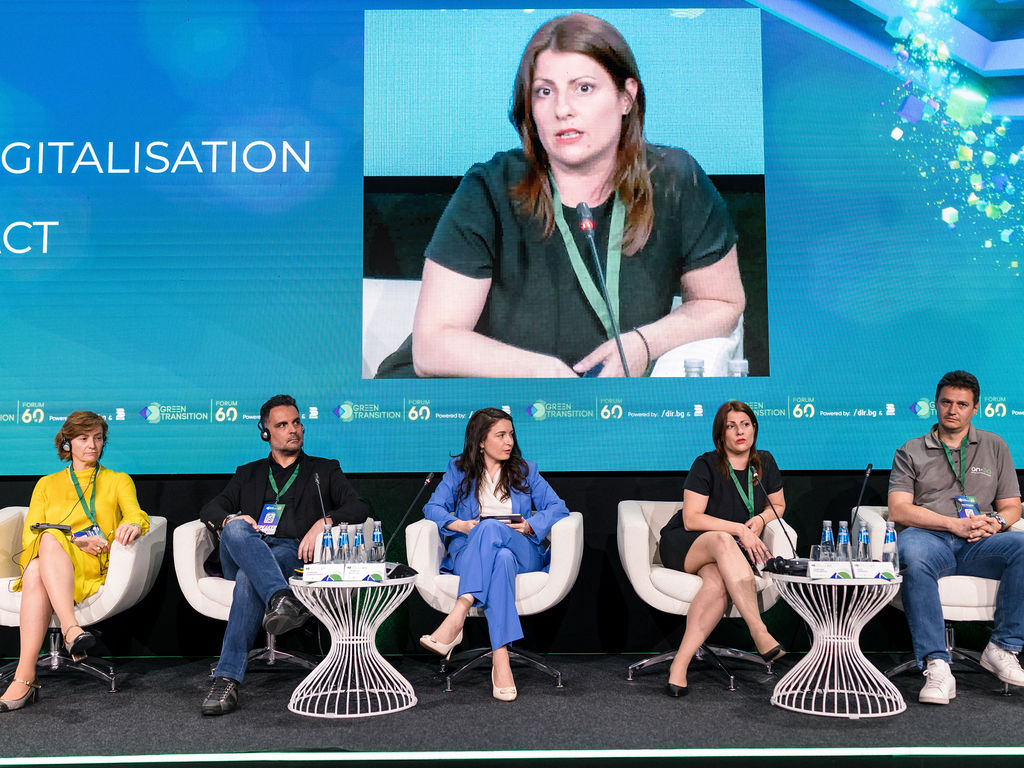
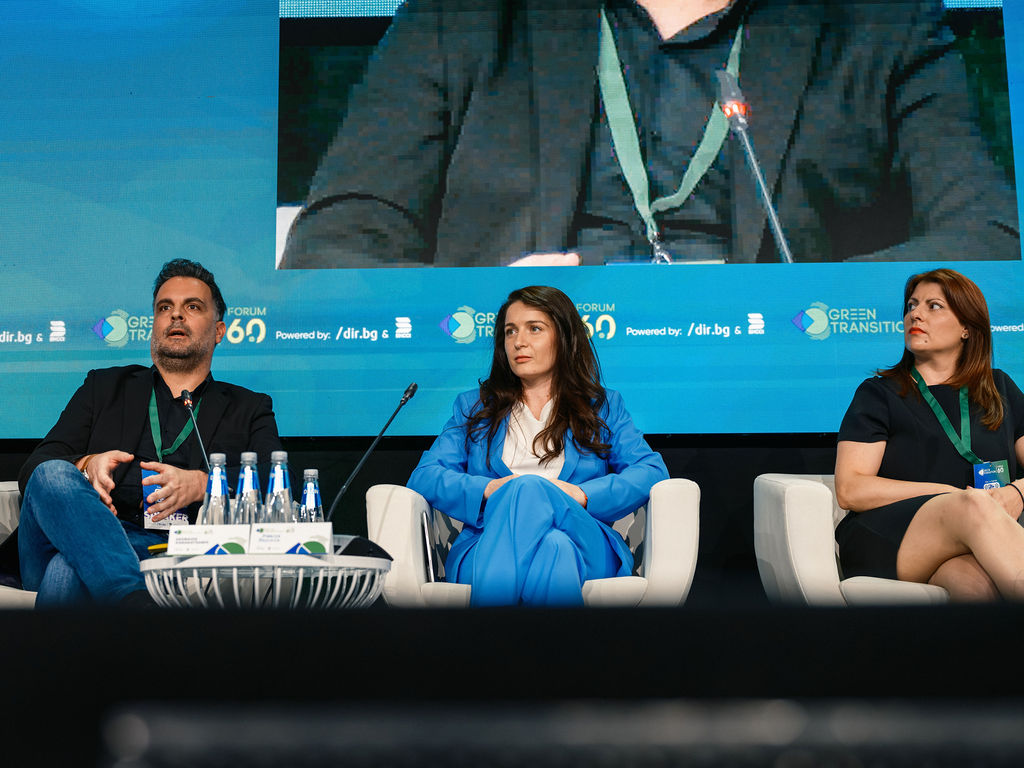
The panel — Innovation and Digitalisation in Agriculture: From Data to Impact — was co-organized by Agriventures in partnership with Green Transition Forum, and moderated by Mariya Hristova. What followed was one of the more grounded conversations the agrifood innovation space has seen on a public stage.
Meet the Panelists
Georgios Karakatsanis is Founder and Director of EVOTROPIA Ecological Finance Architectures, specialising in natural capital valuation, geoeconomic modelling, machine learning for symbiotic design, and the structuring of ecological finance instruments. He is also a PhD candidate at the National Technical University of Athens in Natural Capital Econometrics.
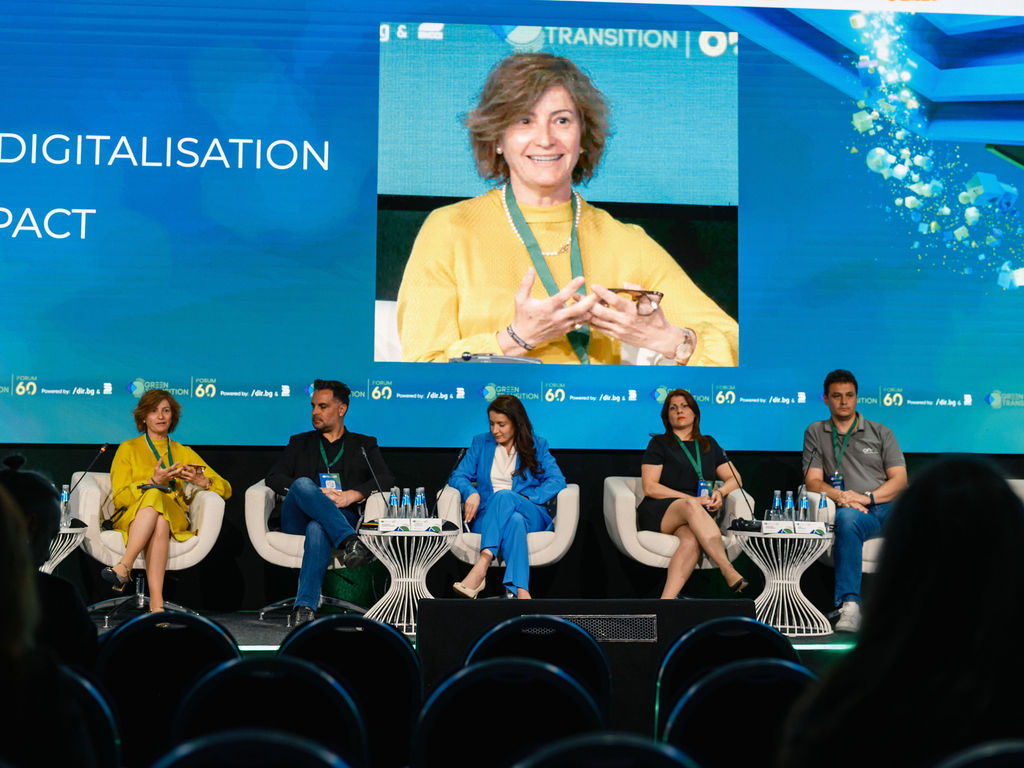
Sonsoles Jiménez Pérez is Managing Director of Alberizas and holds a PhD in Economics and Business from the University of Málaga. With over 25 years of international experience leading and advising agrofood, circular economy and sustainable innovation projects across Europe and beyond, she is one of the most experienced voices in the room when it comes to translating strategy into real-world ecosystems.
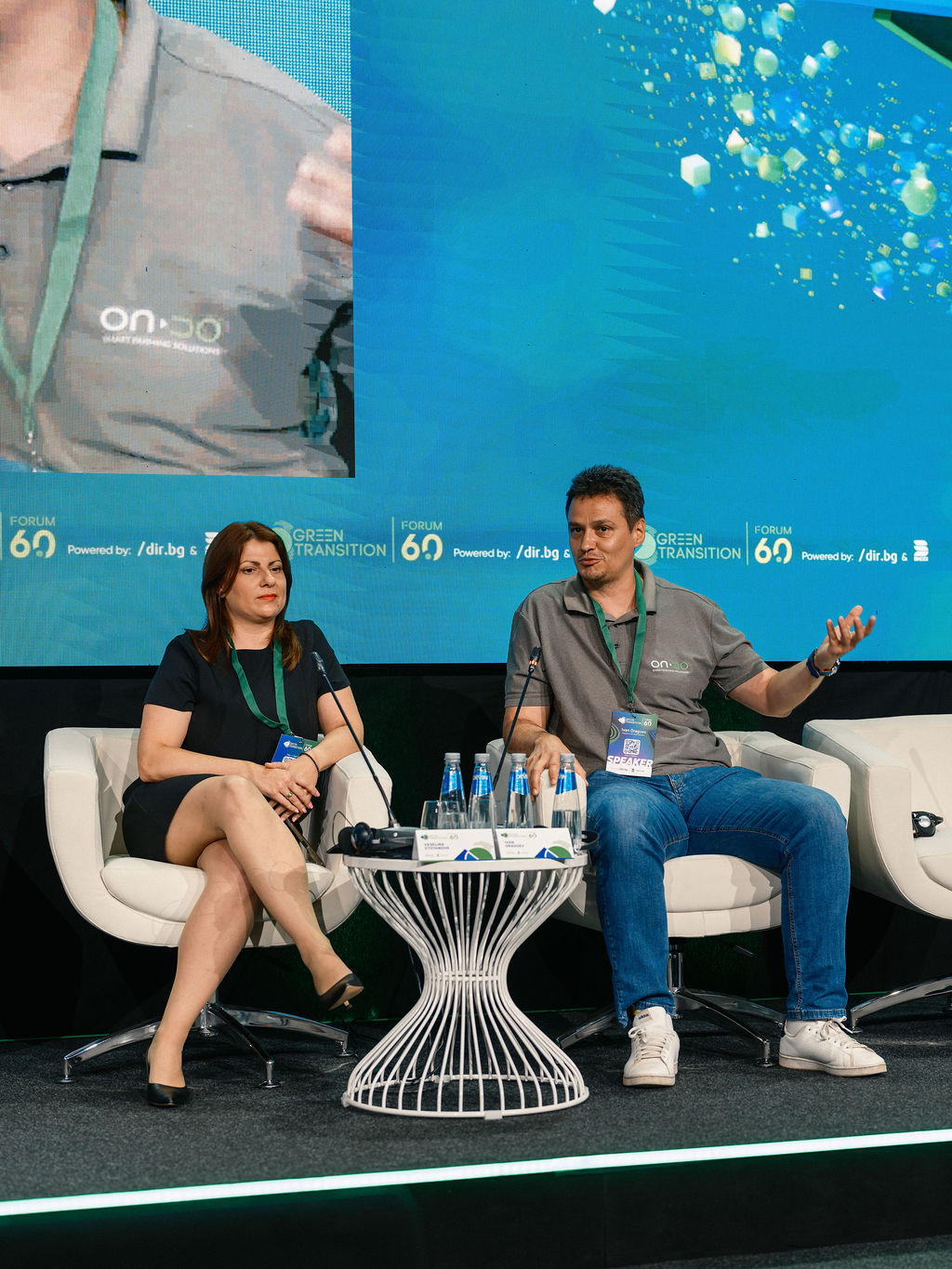
Ivan Dragoev is Founder and CEO of Ondo Solutions — an all-in-one smart farming system for precision irrigation, fertigation and climate control — and part of the Agrodigirise digital hub. He brings over 20 years of technology experience and a clear-eyed view of what adoption actually looks like at farm level.
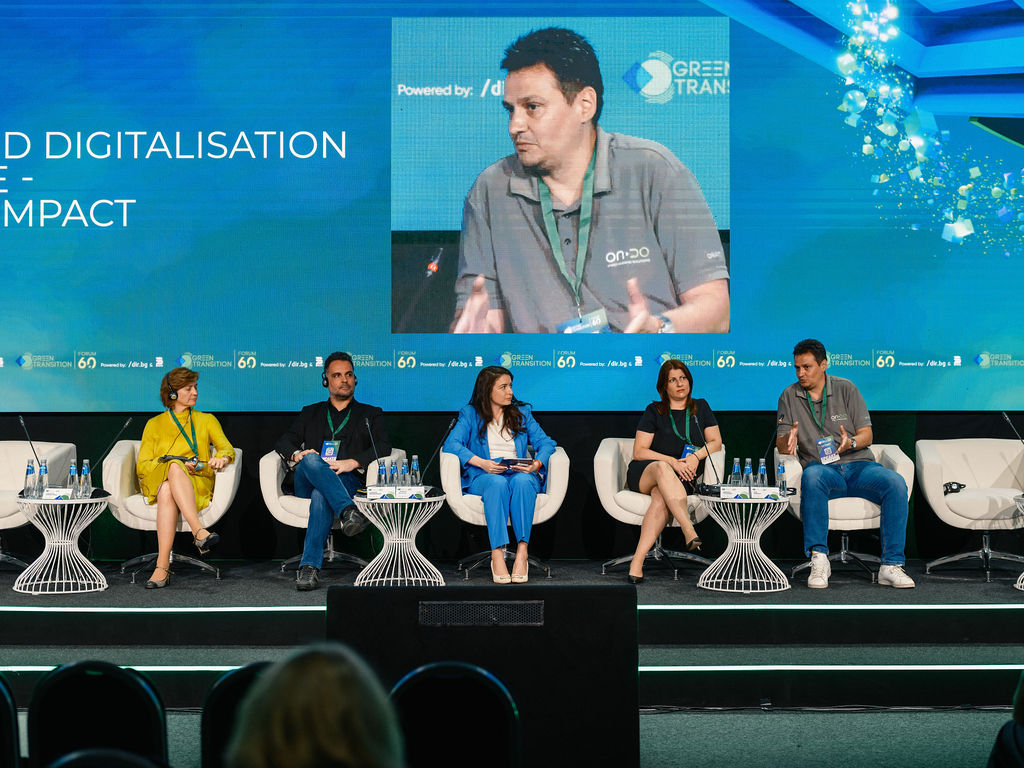
Veselina Stoyanova is Co-founder of Mealprot, a Bulgarian agrifood biotech startup building circular, frass-derived bio-inputs for soil and plant resilience. Mealprot's flagship product, Zemja Liquid, is designed to reduce dependency on synthetic chemicals by activating natural soil-plant-microbiome interactions.
Is Europe's Innovation Ecosystem Really Shifting?
Sonsoles Jiménez Pérez opened by challenging the room. We speak often about European innovation, but the question she posed was direct: is there a real shift in how the ecosystem supports agriculture and food systems — or just rhetoric?
Her answer drew on the Spanish experience. Spain's agrofood innovation ecosystem didn't emerge overnight. It is the product of decades of consistent investment in university-industry collaboration, regional innovation clusters, and long-term policy continuity. The result is a sector that doesn't just produce research — it commercialises it. For Central and Eastern Europe, the lesson is uncomfortable: structural change takes longer than a funding cycle.
The geopolitical pressure on European agriculture — with nitrogen fertilizer prices still approximately 30% above 2024 levels and EU grain production forecasts revised downward — makes the urgency of this shift impossible to ignore.
Regenerative Farming, EU-MERCOSUR and the Role of Ambient Intelligence
Georgios Karakatsanis brought a dimension to the conversation that rarely surfaces in agrifood discussions: the intersection of trade policy, ecological finance, and on-farm data intelligence.
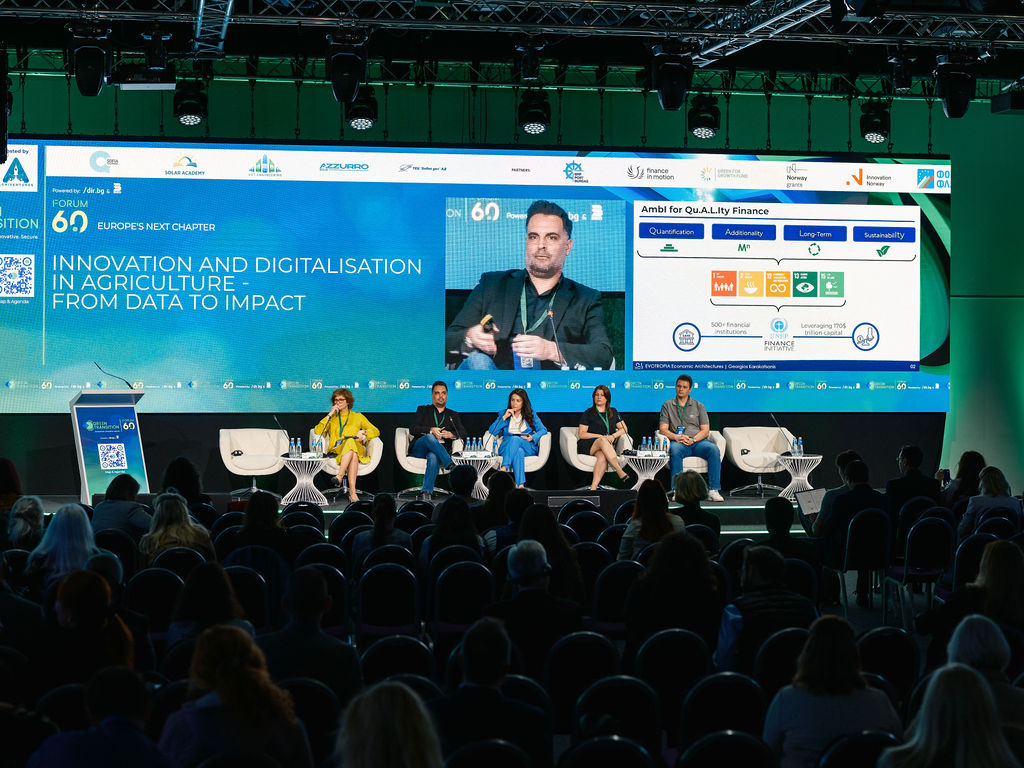
His presentation addressed the EU-MERCOSUR agreement's implications for regenerative farming in Europe and the large-scale deployment of Ambient Intelligence (AmbI) — a framework that moves beyond generic AI toward embedded, context-aware intelligence operating at the field level.
Under the CRCF Regulation (EU/2024/3012), EU farmers are now required to develop Carbon Removal plans. The data Karakatsanis presented was striking: 87% of farmers ask how they can receive carbon credits, 72% ask how to maximise carbon removal, and yet very few have the tools to validate, measure or act on those questions.
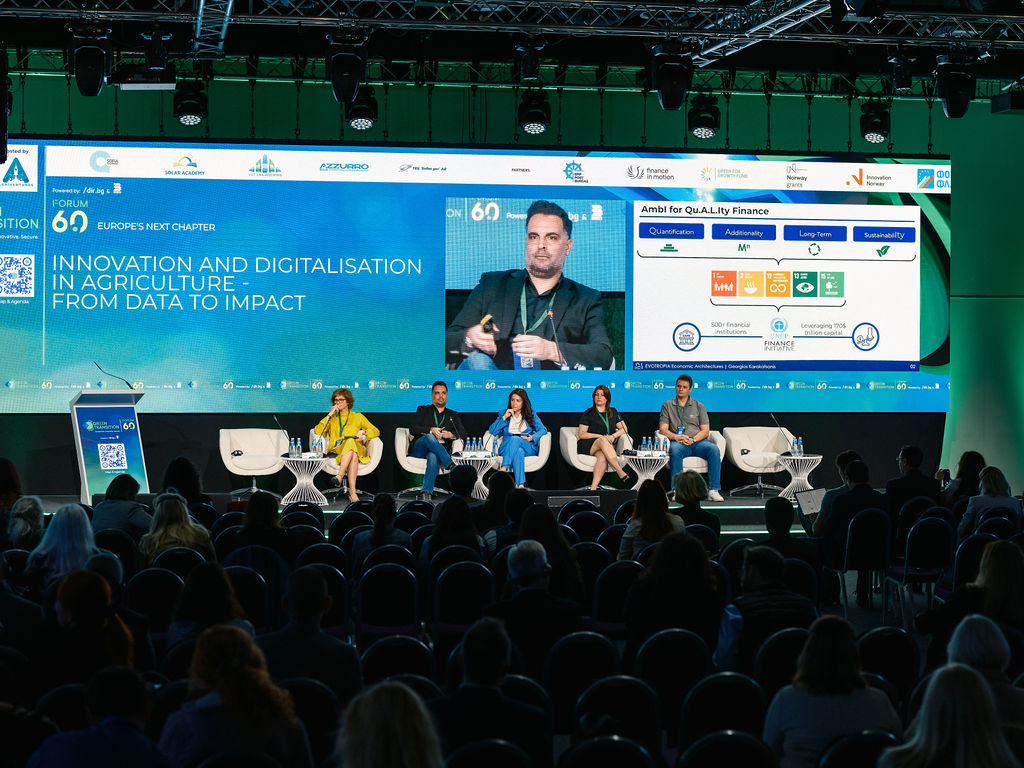
EVOTROPIA's response is a new tool built around what they call Qu.A.L.Ity Finance — a framework structured around Quantification, Additionality, Long-Term thinking, and Sustainability. The tool maps these principles across 500+ financial institutions and $170 trillion in capital aligned with the UNEP Finance Initiative. The capital exists. The translation infrastructure — connecting farmers to it — largely does not.
The Hardest Gap in Agri-Tech: From Development to the Farm Gate
Ivan Dragoev of Ondo Solutions delivered perhaps the most practically resonant point of the session: Europe is not bad at building agricultural technology. It is consistently bad at deploying it.
The gap between TRL 7 (technology demonstrated in operational environment) and actual farm-level adoption is where a large proportion of European agri-tech innovations quietly fail. Not because they don't work — but because the ecosystem around commercialisation and adoption is underdeveloped.
EU funding for agrifood entrepreneurship has improved significantly in recent years through programmes such as Horizon Europe, EIT Food and national innovation agencies. But the structure of that funding still skews heavily toward early-stage research (TRL 1–4). The scale-up phase — TRL 6 through to market — remains the most commercially risky and the least systematically supported part of the entire innovation chain.
This is not a technology problem. It is a systems problem. And solving it requires deliberate investment in deployment ecosystems: farmer advisory networks, demonstration pilots, digital extension services and blended finance instruments that carry innovations through the commercial valley of death.
Biotechnology as Present-Day Infrastructure
Veselina Stoyanova pushed back gently on the tendency to frame biotechnology as a future solution. With rising fertilizer costs, increasing raw material pressure and the introduction of CBAM (Carbon Border Adjustment Mechanism), the window for incremental adaptation is narrowing.
Mealprot's work — transforming mealworm frass through biological and fermentation processes into field-ready bio-inputs — is one example of circular economy logic applied directly to a pressing agricultural problem. Their Zemja Liquid product works by activating natural soil-plant-microbiome interactions rather than relying on external chemical inputs. It is validated, field-tested, and designed to scale.
The broader point she raised: the conversation around sustainable food systems is no longer hypothetical. The regulatory and market environment is already changing. Biotechnology-based solutions are available. The question is whether the innovation support infrastructure can keep pace with the urgency.
The Real Bottleneck: Financing Across the Full TRL Journey
A thread that connected all four speakers was the financing gap — not the absence of capital in the European system, but its misdistribution across the innovation lifecycle.
Early-stage agrifood startups can access grants, accelerators and seed investment. At the other end, mature technologies with proven commercial traction can attract venture capital and strategic investors. But the middle — the scale-up phase where a company has a working product but not yet a fully validated commercial model — is consistently underfunded.
Addressing this requires:
Patient capital instruments that match the longer commercial cycles of agricultural innovation
Blended finance mechanisms combining public grants with private investment to de-risk scale-up
Stronger linkages between technology parks, universities, farmers and investors across the full TRL spectrum
Pan-European deployment ecosystems that don't leave adoption to chance
This is the infrastructure gap that matters most for the next generation of agrifood innovators and entrepreneurs.
Data, Ecosystems and What Happens When the Right People Are in the Room
Data ran through the entire conversation — not as a buzzword, but as the actual raw material for better decision-making at farm level, policy level and investor level. The role of AI, IoT and precision agriculture is not to replace farmer judgment but to give it better inputs. The question is never whether data exists. It is whether it reaches the people who need it, in a format they can act on.
Strong innovation ecosystems — the kind that Sonsoles described from Spain, or that Ivan is building around Ondo through the Agrodigirise hub — are not accidental. They are the product of deliberate collaboration between startups, universities, technology parks, researchers, investors and policymakers over sustained periods.
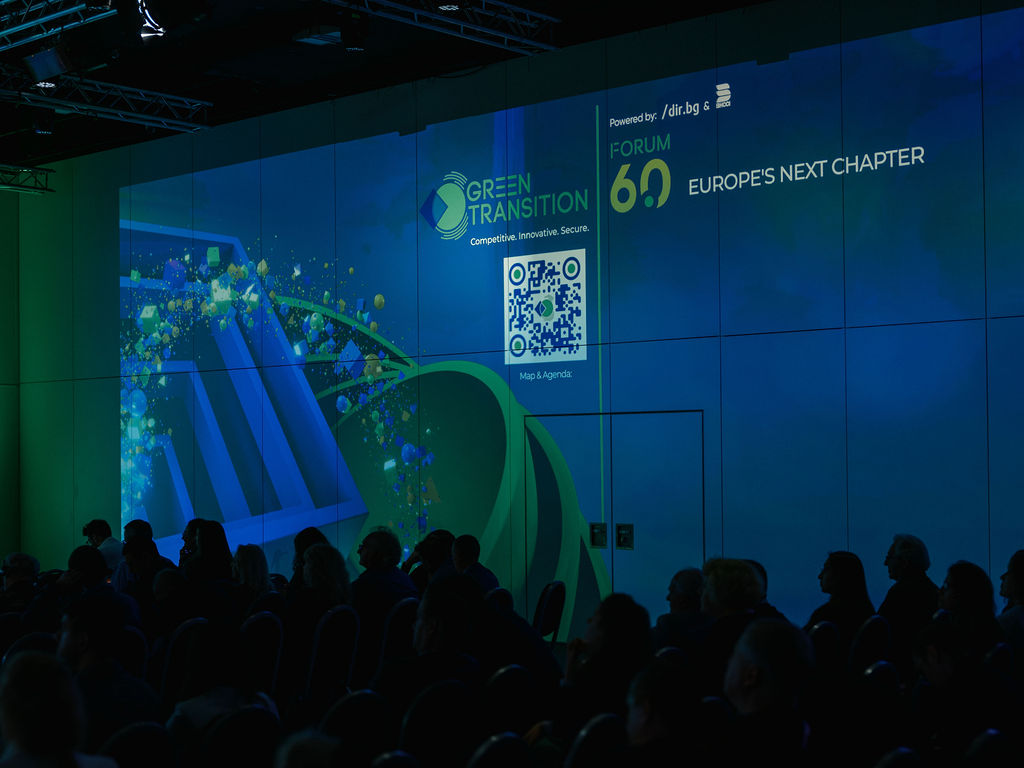
By the end of the day at Green Transition Forum 6.0, something had already shifted. Conversations that began on stage had turned into real ones. New collaborations on EU initiatives were already forming in the margins of the event. That is what the right room does.
What's Next
The conversation continues on June 11, 2026 at Circular Voices — the next event in this series of discussions on sustainability, innovation and the future of European food systems.
A personal note of thanks to Monika Stanisheva and the entire Green Transition Forum team for the partnership, the trust, and for building one of the most important platforms for this conversation in Southeast Europe.
Keywords: agrifood innovation Europe, digitalisation in agriculture, EU funding agrifood startups, TRL scale-up agriculture, precision agriculture, biotechnology food systems, regenerative farming EU, CRCF regulation, Qu.A.L.Ity Finance, Green Transition Forum 2026, agri-tech investment, circular economy agriculture, CBAM agriculture, Ambient Intelligence farming
The role of Agriventures in supporting agrifood innovation
As the agritech startup ecosystem grows across Europe, initiatives such as Agriventures are helping connect entrepreneurs, researchers, investors, and policymakers working in agriculture and food innovation.
Agriventures focuses on supporting agrifood startups, biotechnology innovation, and access to European funding for agriculture, while also helping entrepreneurs navigate the complex landscape of startup financing, venture capital, and research commercialization.
By strengthening connections between startups, research institutions, investors, and farmers, Agriventures contributes to building a stronger agricultural innovation ecosystem that can accelerate the transition toward sustainable agriculture and resilient food systems.
Through knowledge sharing, events, and ecosystem building, Agriventures helps ensure that promising agritech innovations can scale and reach farmers, food producers, and global markets.
Tags
Related Articles
Continue reading our latest insights and updates from the AgriVentures ecosystem.

Biotechnology, Agri-Inputs and Biosecurity: Why the Future of Farming Needs a Wider Conversation in Sofia
Agriculture is undergoing a quiet transformation. Genomic tools, precision biological solutions, and new generations of crop protection and plant nutrition products are changing what is possible in the field and along the whole food chain. At the same time, the same advances raise questions that the sector is only beginning to ask. Who controls the genetic resources and seeds we depend on? How do we manage biosecurity when biological agents and genomic technologies can be used for more than...

Where Agrifood Biotech and Research Funding Is Actually Going in 2026
Basic research doesn't fund itself, and in agrifood, the gap between a promising lab result and a fundable project often comes down to knowing which of a dozen overlapping EU programmes to approach first. Food safety science, biotech platforms, and multi-country research consortia each follow their own funding logic, and 2026 has brought fresh calls across all three. Two Live Examples Worth Studying Safe-Agri, one of AgriVentures' active projects, is reinforcing the security assessment...

VerAgro launches a free self-assessment to help farms measure - and improve - their sustainability
"How sustainable is your farm?" It's a question most producers can answer instinctively, but rarely with hard numbers. A new Bulgarian startup wants to change that. VerAgro, a Bulgaria-based agtech startup, has launched a free online self-assessment that gives farms and processors a clear, structured picture of where they stand on sustainability — and what to do next. A 20-minute check-up for your farm The tool works like a health check-up for your operation. Farmers and processors answer 57...

A New Door Is Opening for Bulgarian Farmers and Agri-Innovators - And It's Fully Funded
For years, the biggest barrier between Bulgarian agriculture and Europe's most advanced farms hasn't been ambition. It's been access — to the right rooms, the right people, and the budget to get there. AgriVentures' new Missions program was built to remove exactly that barrier, and it does it in a way few programs in the region ever have: by covering the full cost of getting Bulgarian farmers, entrepreneurs, scientists, and companies in front of Europe's leading agri-food innovators. If you...

Inside projects.agriventures.co: Your Gateway to EU AgriFood Innovation
AgriVentures has launched projects.agriventures.co, a dedicated portal that brings the full portfolio of our EU-funded initiatives into one place. Where agriventures.co connects agrifood innovators with funding, the Projects site shows what happens next: the live programmes, Living Lab pilots, and network activity that funding makes possible. Here's what you'll find on the site — and how each part of our community can put it to work. A Live Portfolio of EU Projects The homepage opens with our...

Understanding Biomass Flows in Europe: A €6M Horizon Europe Call Agrifood Founders Shouldn't Miss
A question we've been getting a lot lately, including from our own LinkedIn community, is some version of: "Can my startup actually apply for this, and how?" This time it's about Understanding biomass flows in Europe (HORIZON-CL6-2026-01-CIRCBIO-05), a Horizon Europe call with a total budget of €6,000,000 that opened on 17 April 2026 and closes on 17 September 2026. It's exactly the kind of opportunity worth breaking down properly, because the honest answer is "yes, but not the way most...
Never Miss an Update
Join our community to receive the latest insights, funding opportunities, and industry news from AgriVentures.