The agriculture EU policy post-2027 in the next EU budget

Overview
The Multiannual Financial Framework (MFF) is the long-term EU budget for a period of seven years. The European Commission presented its proposal for the next 2028–34 period.
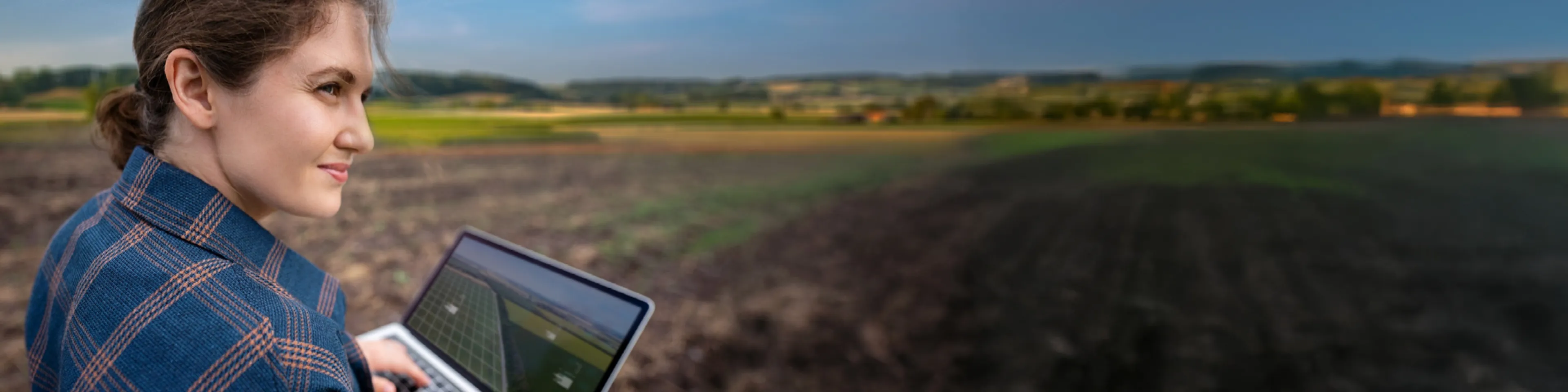
The Common Agricultural Policy (CAP) after 2027 has a central place within the EU’s next budget to deliver on the strategic orientations provided by the Vision for Agriculture and Food. A simpler, more flexible budget will improve strategic planning and better respond to EU farmers, agriculture and rural areas challenges while enabling further synergies across sectors.
National and Regional Partnership Plans
The integration of the CAP into the National and Regional Partnership (NRP) Plans is supported by the NRP fund envelope which will amount to €865 billion. This envelope comprises the allocation for the CAP post-2027 and various financial resources EU countries will be able to make use of.
Income and crisis support in the CAP post-2027
A ring-fenced budget of at least €300 billion for income and crisis support will ensure predictability and stability of CAP support for farmers.
Income support: an amount of at least €293.7 billion is secured for ensuring stability and predictability for farmers.
Unity safety net: €6.3 billion to assist EU countries in case of disturbance of markets.
Factsheets on the proposed EU budget and the CAP 2028-2034
Factsheet on "A fairer and better targeted income support for farmers"
Factsheet on "CAP post-2027: fostering farm sustainability" (Green architecture)
As part of the National Regional Partnership Plans, EU countries will have €453 billion to deliver on national needs, including for agriculture and rural areas, through country-specific CAP recommendations.
The CAP 2028–2034 proposal explained: fairer, better targeted income support for farmers
The CAP 2028–2034 proposal focuses on fairer, more targeted income support for EU farmers, promoting sustainability and generational renewal.
Future CAP proposal aims to protect Sustainability and Resilience in Farming
The EU’s proposed CAP after 2027 aims to boost farming sustainability and resilience with simpler rules, greener goals, and stronger support for farmers.
Commission presents minimum national allocations for the CAP after 2027
The Commission announces minimum national allocations under the future CAP, ensuring income support for EU farmers until 2034.
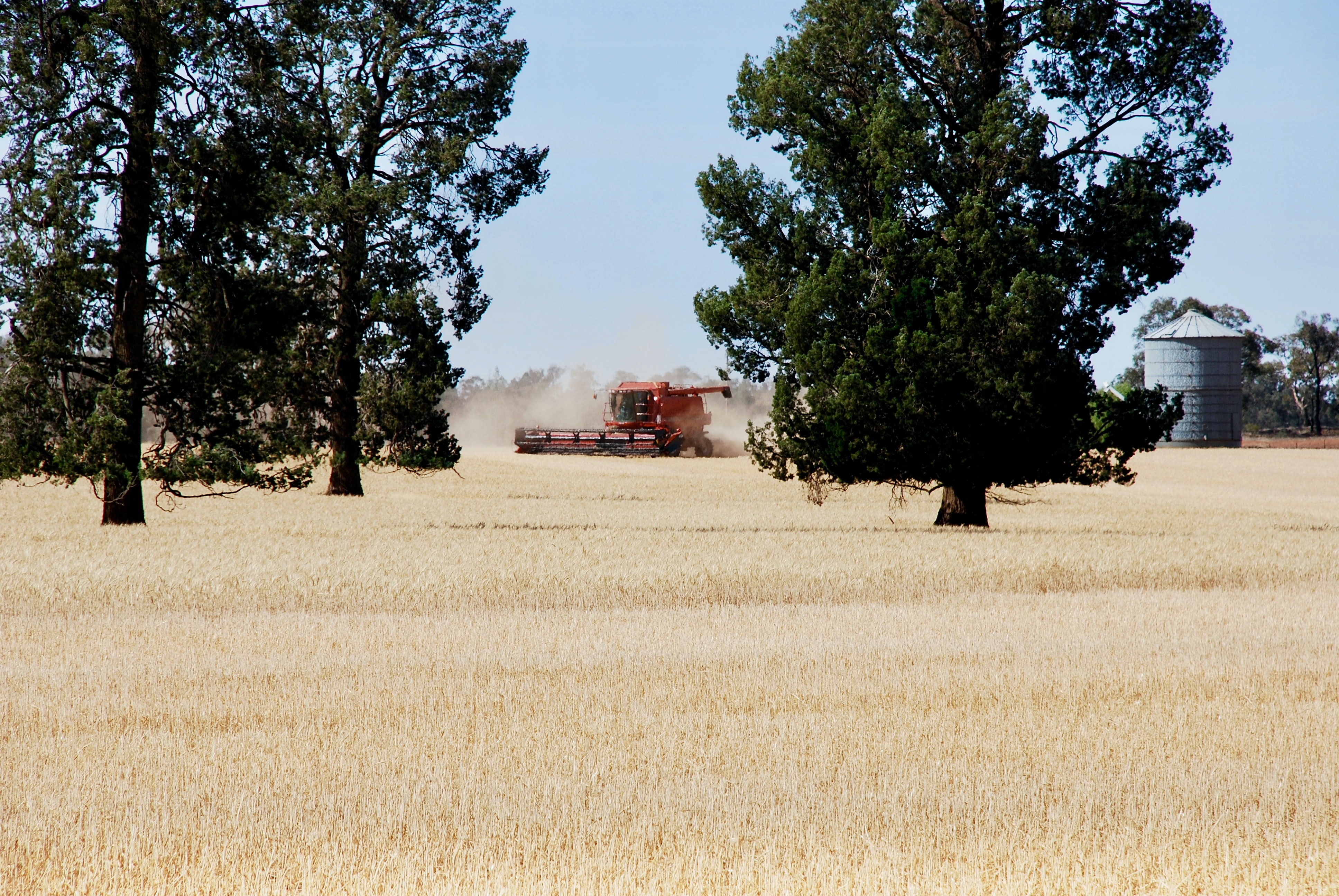
What's in the CAP post-2027?
The CAP after 2027 will keep its toolbox intact, offering stability and predictability, as outlined in the Commission's proposal.
The European Commission is proposing a simpler, more targeted and future-oriented Common Agricultural Policy (CAP) for the period after 2027.
Questions and answers on the CAP post-2027 proposal
What it means for farmers
The CAP post-2027 proposal includes:
Income support and predictability: funds for farmers’ income support are secured.
More types of support: more possibilities and choices for farmers on how they can receive support and diversify income streams.
Support for risk management tools: the CAP proposal foresees a set of tools to alleviate pressure and de-risk farm operations. The EU facility tool as part of the NRP fund includes a Unity Safety net that will help farmers cope with the impact of market disturbances and geo-political uncertainties.
A better balance between rules and incentives to preserve the climate and the environment: the farm stewardship system will set rules for all farmers. In addition, incentives will be made available for actions beneficial for the environment, climate and animal welfare. Different types of farm investment support will contribute to the resilience of agriculture, food systems, forestry and rural areas, in particular climate and water resilience.
Targeted income support
More flexibility and more options: rules have been simplified, and the use of lump sums will be strengthened, giving farmers and EU countries more flexibility and options for targeted income support in particular for young and new farmers, women, family or small farmers, and mixed farms.
Fair distribution of funds: the new CAP proposes a more targeted approach to area-based payments, considering the unique economic conditions of specific farms and territories. Smaller farms can receive dedicated support through area-based payments and lump sums (maximum €3 000 per year). This will ensure support is directed towards those who need it most, promoting fairness and efficiency. Farmers may be able to access relief services and benefit from the help of replacement workers when they are sick, on leave, or dealing with family responsibilities.
Measures to address redistribution of income support: this includes capping direct payments to larger farms (maximum €100 000 per year) and implementing mandatory annual degressive payments.
Fostering generational renewal
EU countries will need to devise a dedicated generational renewal strategy to ensure the attractiveness of the sector for young people.
Young farmers will benefit from increased support under the new degressive area-based payments, as well as a wide range of tools including a "starter pack".
The CAP will also provide young farmers with access to training, mentoring, and other forms of support, such as knowledge, advice, and skills development.

Simplification for farmers and EU countries
The new CAP will rely on a single fund, replacing the current two-pillar structure, which will reduce complexity, rigidity, and overlaps, and give EU countries' authorities more flexibility and possibilities.
Access to funding opportunities under different policies have been streamlined, making it easier for farmers to navigate and request support, and allowing them to explore synergies between different policy areas.
Synergies in the combination of funds
The integration of the CAP into the National and Regional Partnerships Plans will help combining different sources of funds to make a difference in farming and rural communities.
The complementarity in the use of funds, such as the European Competitiveness Fund or the EU Research Framework Programme, can support large-scale projects to achieve a greater impact in the rural economy. These synergies will help to address different challenges in areas such as: skills, care services, infrastructure, environment, climate change adaptation, energy production and bioeconomy, agri-tourism, transport and logistics.
In addition, synergies will help to bridge the digitalisation gap. Rural areas will be able to harness the potential of digital connectivity, innovation and entrepreneurship which in turn will help them thrive and develop their resilience. Successful tools like LEADER will continue to play a key role in this respect. This will enable rural areas to benefit from a broader range of funding opportunities and expertise.
Building synergies into the CAP
Care services in rural areas
The Health Agency of Lower Austria used a multi-fund approach to launch the “Healthacross initiative”, aiming ensuring equitable access to healthcare services in Lower Austria, in the areas bordering with Czechia, Slovakia and Hungary, so that resources are leveraged. The project was funded through several INTERREG programmes, as well as Next Generation EU Fund, while the construction of the MED Gmünd centre was financed with EUR 2.5 million via the European Agricultural Fund for Rural Development (EAFRD).
Investments in water systems
Funded under the Innovation Fund with EUR 4,3 million, the CO2-FrAMed project (PDF) will build in the Ebro River Valley (Spain) 12 stand-alone large-power photovoltaic irrigation systems that do not require back-up batteries and significantly reduce risks related to the integrity of the water distribution infrastructure.
This solution is a suitable alternative to conventional electric and diesel-based pumping systems. It brings environmental benefits in terms of CO2 emission reduction and economic benefits in terms of lower costs for farmers. Overall, the project will reduce GHG emissions compared to conventional technology by 100% and farmers will benefit from zero-carbon irrigation at a competitive price.
Agricultural markets
In addition to the CAP legal framework, several other provisions are being revised in the Common Market Organisation Regulation (CMO) to reflect changes in the agricultural sector, such as:
Promoting healthy eating through locally sourced products via the EU school schemes, reconnecting children with farming.
Creating a new sector for protein crops, to strengthen the value chain at regional, national, and transnational level.
Protecting certain meat-related terms to keep high production standards as regards the natural composition of meat and meat products and helping consumers make informed choices.
Introducing marketing standards for protein crops, beef, pork, sheep, goat meat and cheese in the future, including origin labelling.
Improving preparedness and availability of agricultural supplies during emergencies.
Documents
Proposal for a Regulation on the conditions for the implementation of the EU's support to the CAP
Proposal for amendments to the Common Market Organisation (CMO) regulation
Factsheet on "For a resilient, competitive and sustainable EU agriculture" (PDF)
Tags
Related Articles
Continue reading our latest insights and updates from the AgriVentures ecosystem.

Biotechnology, Agri-Inputs and Biosecurity: Why the Future of Farming Needs a Wider Conversation in Sofia
Agriculture is undergoing a quiet transformation. Genomic tools, precision biological solutions, and new generations of crop protection and plant nutrition products are changing what is possible in the field and along the whole food chain. At the same time, the same advances raise questions that the sector is only beginning to ask. Who controls the genetic resources and seeds we depend on? How do we manage biosecurity when biological agents and genomic technologies can be used for more than...

Where Agrifood Biotech and Research Funding Is Actually Going in 2026
Basic research doesn't fund itself, and in agrifood, the gap between a promising lab result and a fundable project often comes down to knowing which of a dozen overlapping EU programmes to approach first. Food safety science, biotech platforms, and multi-country research consortia each follow their own funding logic, and 2026 has brought fresh calls across all three. Two Live Examples Worth Studying Safe-Agri, one of AgriVentures' active projects, is reinforcing the security assessment...

VerAgro launches a free self-assessment to help farms measure - and improve - their sustainability
"How sustainable is your farm?" It's a question most producers can answer instinctively, but rarely with hard numbers. A new Bulgarian startup wants to change that. VerAgro, a Bulgaria-based agtech startup, has launched a free online self-assessment that gives farms and processors a clear, structured picture of where they stand on sustainability — and what to do next. A 20-minute check-up for your farm The tool works like a health check-up for your operation. Farmers and processors answer 57...

A New Door Is Opening for Bulgarian Farmers and Agri-Innovators - And It's Fully Funded
For years, the biggest barrier between Bulgarian agriculture and Europe's most advanced farms hasn't been ambition. It's been access — to the right rooms, the right people, and the budget to get there. AgriVentures' new Missions program was built to remove exactly that barrier, and it does it in a way few programs in the region ever have: by covering the full cost of getting Bulgarian farmers, entrepreneurs, scientists, and companies in front of Europe's leading agri-food innovators. If you...

Inside projects.agriventures.co: Your Gateway to EU AgriFood Innovation
AgriVentures has launched projects.agriventures.co, a dedicated portal that brings the full portfolio of our EU-funded initiatives into one place. Where agriventures.co connects agrifood innovators with funding, the Projects site shows what happens next: the live programmes, Living Lab pilots, and network activity that funding makes possible. Here's what you'll find on the site — and how each part of our community can put it to work. A Live Portfolio of EU Projects The homepage opens with our...

Understanding Biomass Flows in Europe: A €6M Horizon Europe Call Agrifood Founders Shouldn't Miss
A question we've been getting a lot lately, including from our own LinkedIn community, is some version of: "Can my startup actually apply for this, and how?" This time it's about Understanding biomass flows in Europe (HORIZON-CL6-2026-01-CIRCBIO-05), a Horizon Europe call with a total budget of €6,000,000 that opened on 17 April 2026 and closes on 17 September 2026. It's exactly the kind of opportunity worth breaking down properly, because the honest answer is "yes, but not the way most...
Never Miss an Update
Join our community to receive the latest insights, funding opportunities, and industry news from AgriVentures.